U.S. tells U.N. it stands by Iranian protesters and warns Tehran
The United States pressed the U.N. Security Council to hold Iran accountable, saying it “stands by the brave people of Iran” and that “all options are on the table.” This raises diplomatic and legal stakes at the U.N.
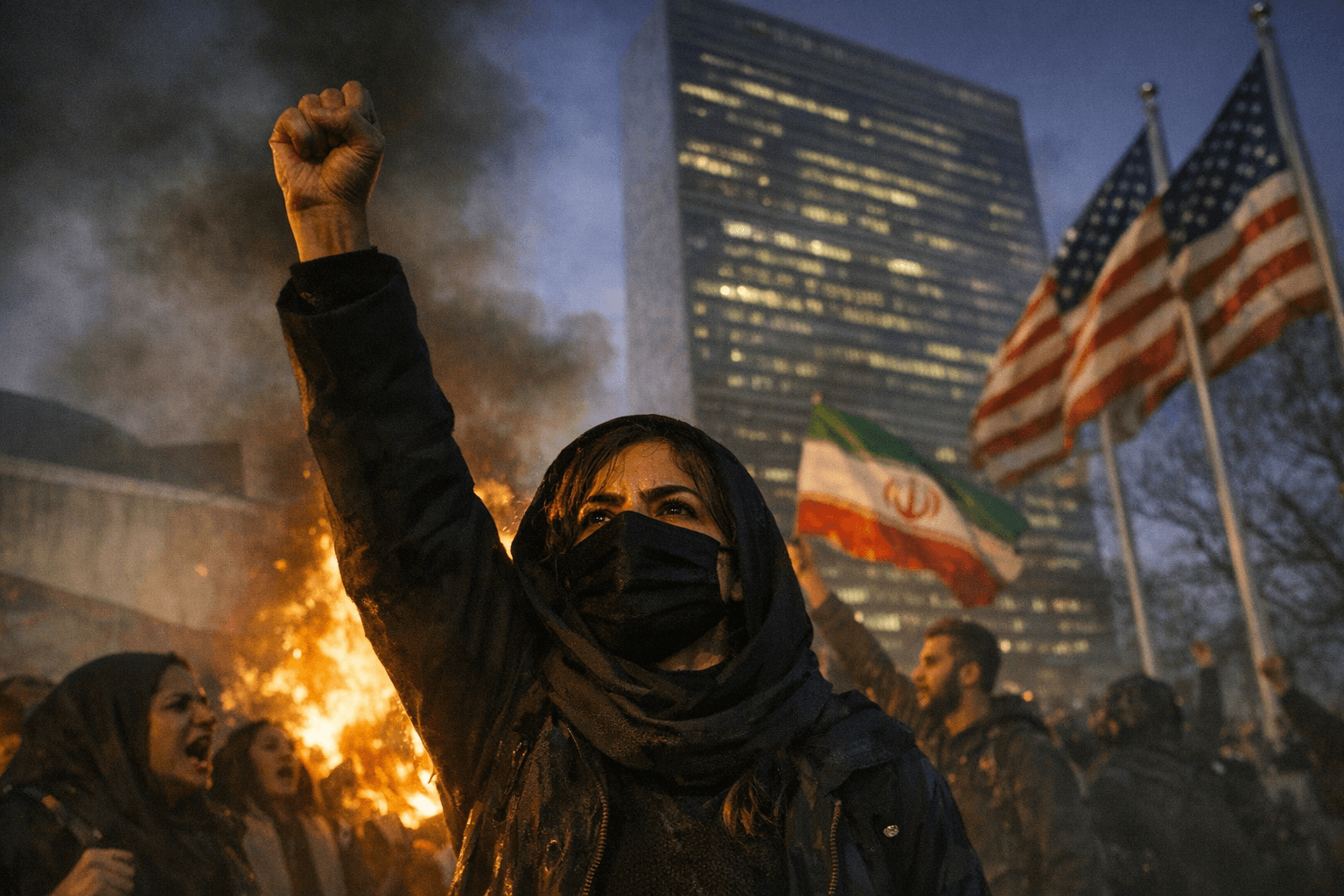
The United States convened an emergency U.N. Security Council session to put the international spotlight on Iran’s deadly nationwide protests and to press for accountability for what U.S. officials described as brutal repression. Ambassador Mike Waltz used the floor to lend public support to demonstrators and to warn Tehran that Washington was prepared to act if killings continued.
Waltz told the Council the United States “stands by the brave people of Iran.” He framed the U.S. posture as direct and consequential, saying President Donald Trump “is a man of action, not endless talk like we see at the United Nations,” and that Trump “has made it clear all options are on the table to stop the slaughter.” Waltz also portrayed the Iranian government as weakened, calling it “weaker than ever before,” and dismissed Tehran’s claims that the unrest was foreign-instigated as “a lie” born of fear of its own people.
Iran’s delegation forcefully rejected the U.S. account. Deputy U.N. Ambassador Gholamhossein Darzi accused Ambassador Waltz of resorting “to lies, distortion of facts, and a deliberate misinformation campaign to conceal his country’s direct involvement in steering unrest in Iran to violence.” Darzi added that “any act of aggression, direct or indirect, will be met with a decisive, proportionate, and lawful response,” framing potential retaliation as a legal determination rather than a rhetorical threat. Iran’s foreign minister and state media sought to dampen international alarm by saying Tehran had “no plan” to hang people and reporting that a 26-year-old detainee in Karaj would not face execution.
Activists briefed the Council as well. Iranian-American activist Masih Alinejad addressed Iran’s representative, saying, “You have tried to kill me three times.” Council participants described harrowing accounts of protesters shot in the streets and bodies left in public spaces. U.S. officials noted that authorities previously uncovered a 2022 plot to assassinate Alinejad in the United States, underscoring the stakes cited by diaspora campaigners.
The meeting exposed a familiar diplomatic fissure on the Security Council. Delegations from Russia and China criticized the United States for intervening in what they called the internal affairs of a sovereign state and for escalating tensions. Several diplomats and reporters observed that the Security Council is not a typical venue for announcing concrete military action, yet the United States used the forum to underline readiness to intervene if the killings continued.
The session underscored immediate policy and institutional dilemmas. For Washington, public signaling is aimed at deterring further violence and building a case for accountability at the U.N. level. For the Council, the challenge is whether it can translate moral pressure into coordinated measures without unanimity among permanent members. Legal questions about thresholds for collective action, the role of human rights and humanitarian norms, and the risk of bilateral escalation now sit at the center of diplomatic deliberations.
As the immediate fallout continued, diplomats signaled more rounds of negotiation and public statements ahead, with activists pushing for tangible measures while Tehran insisted on sovereign prerogatives and warned against foreign intervention. The debate at the Security Council is likely to shape international responses to the protests and will test the body’s capacity to respond amid deep political divisions.
This article was produced by Prism’s automated news system from verified source data, official records, and press releases, then run through automated quality and moderation checks before publishing. The system is built and supervised by the people who set the standards it runs under. Read our full AI policy.
Did this article answer your question?

