U.S. trade deficit widens to 14-month high in May
Imports jumped to $395.3 billion while exports fell to $317.7 billion, sending the U.S. deficit to a 14-month high of $77.6 billion.
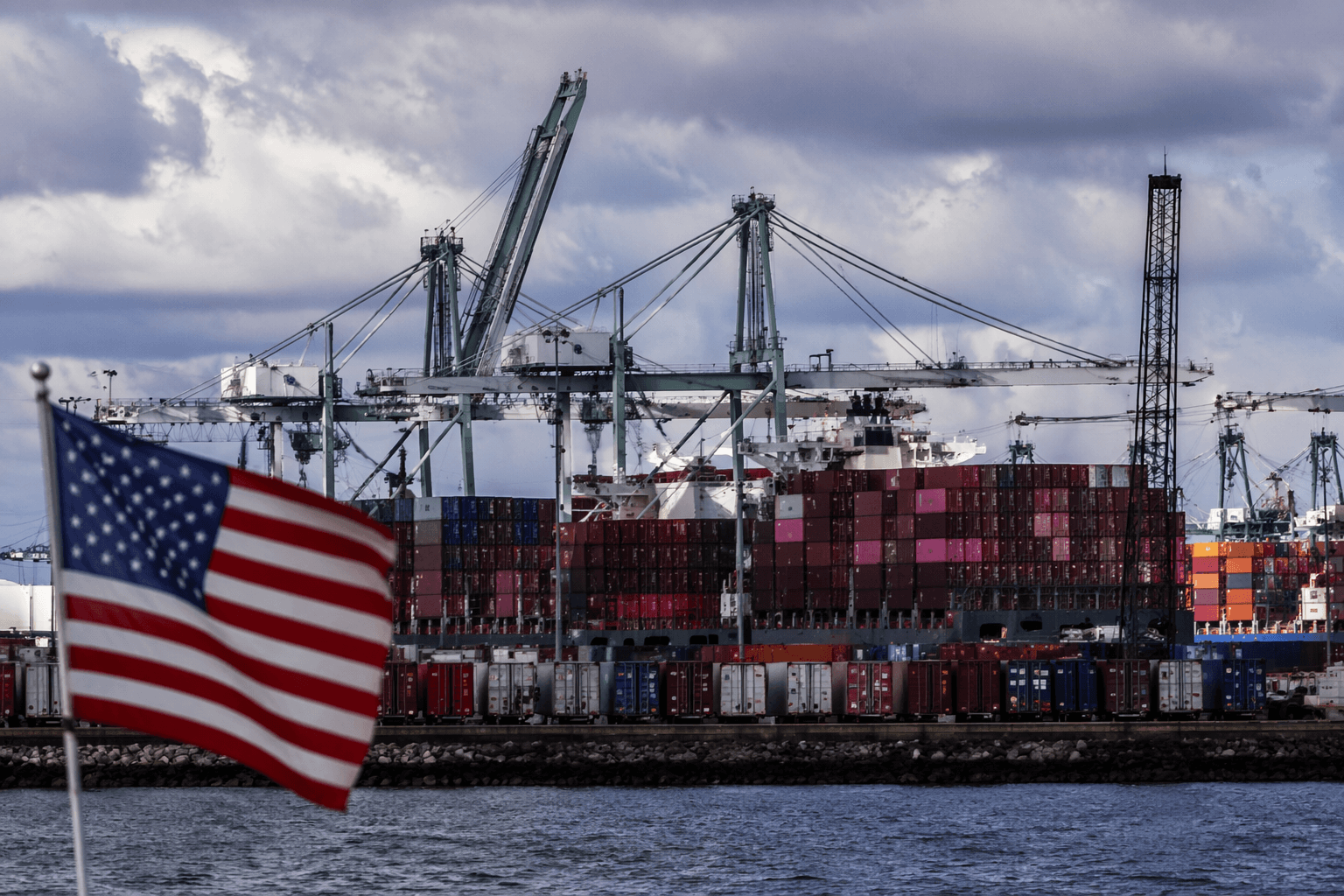
Imports jumped and exports slipped in May, pushing the U.S. goods and services deficit to $77.6 billion, the widest gap in 14 months. Exports fell $10.5 billion to $317.7 billion, while imports rose $12.5 billion to $395.3 billion, according to the U.S. Bureau of Economic Analysis.
The deterioration came from goods. The goods deficit widened to $106.5 billion, partly offset by a slightly larger services surplus of $28.9 billion. In the Census Bureau’s advance goods-trade report, the merchandise deficit reached $105.8 billion, the highest since March 2025 and a 14-month high, with goods exports at $207.7 billion and goods imports at $313.4 billion.
The May figures point more to a surge in import buying than to a simple collapse in export demand. Businesses have been pulling shipments forward to avoid shortages and higher costs tied to the Middle East conflict, while strong demand for AI-related equipment has also boosted capital-goods imports. That kind of front-loading can widen the deficit even when underlying domestic spending is not falling, because it shifts the timing of purchases rather than proving that demand has suddenly weakened.
The trade gap matters for growth because net exports subtract from gross domestic product. Carl Weinberg, chief economist at High Frequency Economics, said the widening deficit is bad news for national income growth and could drag on real GDP growth. Morgan Stanley and Goldman Sachs have already trimmed second-quarter growth estimates after the trade data, underscoring how quickly a larger import bill can weigh on quarterly output calculations.
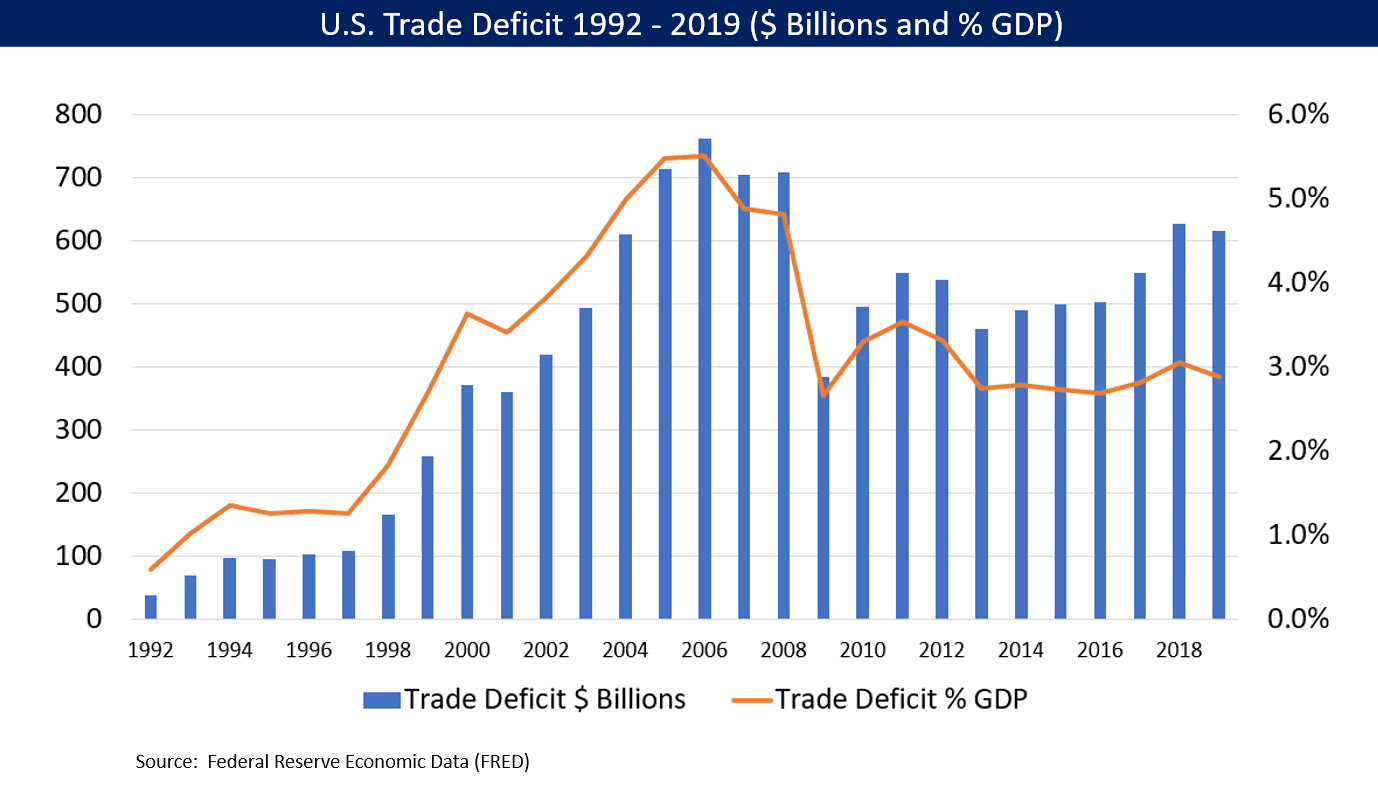
Still, the deficit does not tell the whole story about economic strength, inflation or consumer demand. A wider gap can reflect businesses stockpiling goods, not just households spending more, and it can be driven by supply-chain fears as much as by weakness abroad. Year to date through May, the goods and services deficit was still $203.9 billion, or 40.6 percent, below the same period in 2025, a reminder that the latest jump sits inside a much better annual trend.
That leaves plenty of room for political spin. Democrats are likely to emphasize the sharply lower deficit so far this year, while Republicans are likely to use May’s spike to argue that the United States remains too dependent on foreign goods and vulnerable to tariff and supply shocks. The next trade release is scheduled for Aug. 4, when officials will show whether May was a one-month surge or the start of a more sustained shift.
This article was produced by Prism’s automated news system from verified source data, official records, and press releases, then run through automated quality and moderation checks before publishing. The system is built and supervised by the people who set the standards it runs under. Read our full AI policy.
Did this article answer your question?