U.S. utilities plan $1.4 trillion grid investment as data centers drive demand
Data centers are pushing utilities toward a $1.4 trillion grid buildout, and households could end up covering nearly half of it through higher bills.
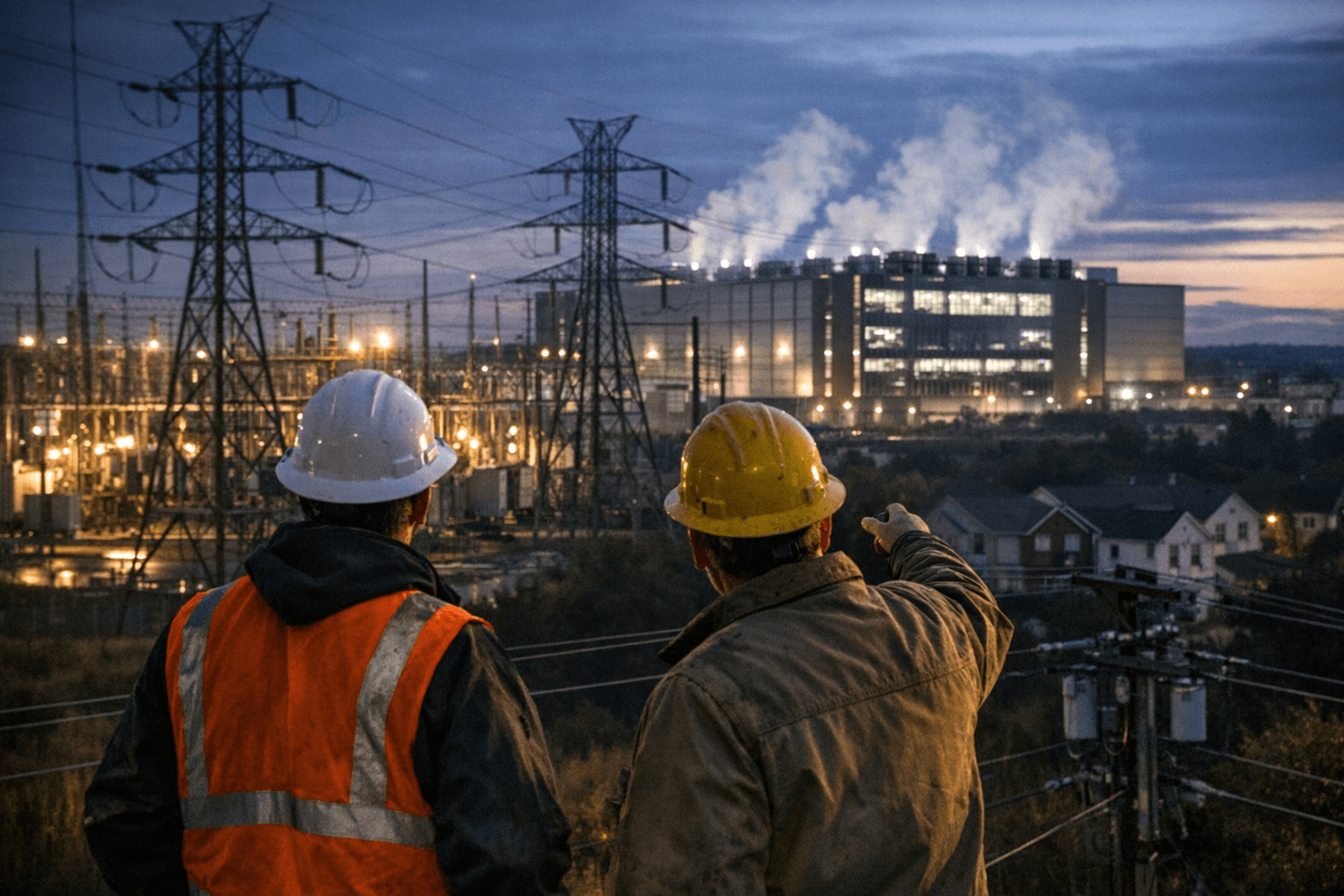
The AI buildout is becoming a utility bill story. U.S. investor-owned power companies are planning at least $1.4 trillion in capital spending through 2030, a surge driven in part by data centers and the electricity demand they bring with them.
PowerLines, the nonprofit consumer education group, said it reviewed 51 investor-owned utility earnings calls and found the companies are now planning more than 21% more capital expenditures than the $1.1 trillion projection it cited last year. Those utilities serve about 250 million Americans, meaning the spending wave could touch nearly every region of the country as companies expand power plants, transmission lines, and distribution poles and wires.
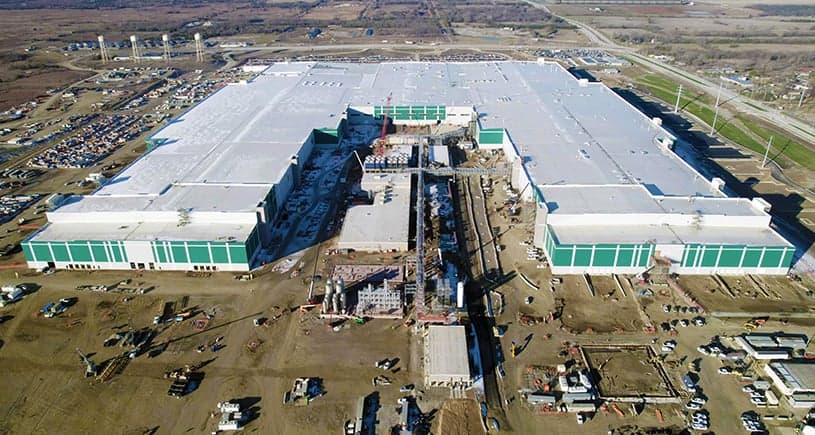
The report lands as data-center demand keeps climbing. CBS News MoneyWatch reported that utilities cited data centers as a top driver of capital spending, and that U.S. data centers consumed more than 4% of the nation’s electricity in 2023. The Electric Power Research Institute projects that share could reach 9% by 2030, a level that would put the sector on par with some of the largest categories of industrial demand in the grid.
That growth is colliding with already rising bills. PowerLines said utility bills have climbed about 40% since 2021, and utilities requested $31 billion in rate increases in 2025 alone. Average residential electricity prices are projected to rise another 5.1% this year, according to U.S. Energy Information Administration data cited by CBS News. PowerLines also said 56 million Americans will face higher utility bills from rate hikes approved in 2025.
The central question is who pays for the buildout. PowerLines said residential customers could ultimately cover nearly half of the planned capital spending, about $0.7 trillion, if current trends hold. That would make AI infrastructure less a Silicon Valley story than a household finance issue, with costs flowing through state-regulated electric rates unless regulators push back.
Utilities say some of the investment is unavoidable. They point to severe weather, aging infrastructure, and the need to harden the grid against outages. But PowerLines warned that capital spending plans do not automatically become rate hikes, because state utility regulators still have to approve them. Charles Hua, PowerLines’ founder and executive director, said the century-old regulatory model has accelerated spending even when cheaper alternatives may be available and underused. Amy Bandyk, executive director of the Citizens Utility Board of Michigan, said regulators and intervenor groups should scrutinize the plans closely for lower-cost operating options.
The scale of the spending is also not a surprise to Wall Street and consulting firms. Deloitte estimated in February 2025 that the U.S. power sector may need about $1.4 trillion from 2025 to 2030, with similar levels continuing through about 2050. The message from utilities is clear: the AI boom is no longer only about chips and servers. It is also a national grid buildout, with real consequences for rates, taxes, and reliability.
This article was produced by Prism’s automated news system from verified source data, official records, and press releases, then run through automated quality and moderation checks before publishing. The system is built and supervised by the people who set the standards it runs under. Read our full AI policy.
Did this article answer your question?