U.S. virtual embassy tells Americans in Iran to leave immediately
The U.S. Virtual Embassy in Iran urged citizens to "leave Iran now" and to plan departures without relying on U.S. assistance amid unrest and disruptions.
The U.S. Virtual Embassy in Iran issued an urgent security alert telling American citizens in Iran to "leave Iran now" and to "make departure plans that do not rely on U.S. government help." The advisory cited nationwide protests, civil unrest and a heightened risk that U.S. citizens could be questioned, arrested or detained, and it warned that Washington has no embassy or consular services in Tehran to assist departures.
The advisory first appeared in mid-January, with records showing either Jan. 12 or Jan. 13 as the initial posting, and was reiterated in early February in the Feb. 5-6 timeframe. Authorities urged travelers to expect continued internet outages and transportation disruptions, noting that “The Government of Iran continues to restrict access to mobile, landline and national internet networks. Airlines continue to limit or cancel flights to and from Iran.” Road closures and limits on public transport have compounded the difficulties of leaving by air.
For those able to travel overland, the advisory recommended a cautious approach: “If it is safe to do so, consider departing Iran by land to Armenia or Turkey.” It also warned that safety cannot be guaranteed for land departures and explicitly advised against travel toward Afghanistan, Iraq and border areas with Pakistan. Some border crossings remained open at the time of the alert, but the advisory said those conditions were fluid and urged travelers to verify routes before departing.
The Virtual Embassy stressed practical precautions for Americans who cannot immediately leave: find a secure location, stock up on food, water and medication, avoid demonstrations, keep a low profile, keep mobile phones charged and monitor local media. Travelers were urged to enroll in the Smart Traveler Enrollment Program (STEP) and to plan alternative methods of communication given widespread network restrictions.
Dual nationals face particular peril under Tehran’s legal posture. The advisory reiterated that Iran does not recognize dual nationality, and warned that dual U.S.-Iranian nationals must travel on Iranian passports. It cautioned that showing a U.S. passport “could be a reason for Iranian authorities to detain someone,” underscoring the distinct risk profile for dual citizens.

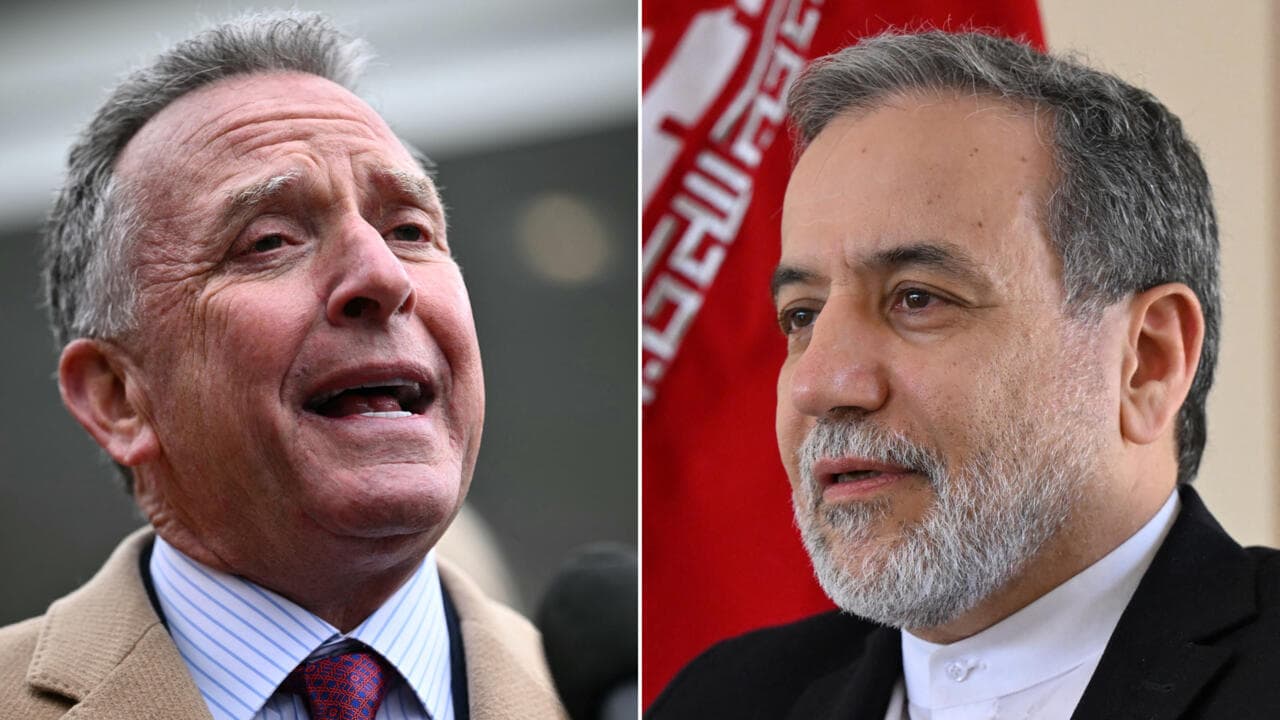
The alert arrived as diplomatic channels signalled a high-stakes encounter between Washington and Tehran. The message came ahead of scheduled U.S.-Iran talks in Oman; reported participants for the U.S. side included Special Envoy Steve Witkoff and Jared Kushner, while Iran was said to be represented by Foreign Minister Abbas Araghchi. Officials preparing for the talks face the dual challenge of managing an already volatile domestic security situation in Iran and calibrating the diplomatic trackroom where movement and communications are unreliable.
The absence of U.S. diplomatic presence in Iran was a central practical constraint: “The United States has no diplomatic presence in Iran, and assistance to US citizens is extremely limited,” the advisory warned, framing personal preparedness as the primary line of defense for Americans on the ground.
The renewed warning sparked alarm on social platforms, with users sharing the Virtual Embassy post and many expressing confusion about whether the advisory was new or a reiteration of mid-January guidance. For U.S. citizens and diplomats alike, the intersection of mass protests, network blackouts and a fragile diplomatic rhythm in Oman has created an urgent, uncertain environment where individual decisions will determine who can leave and who remains exposed to detention and disruption.
This article was produced by Prism’s automated news system from verified source data, official records, and press releases, then run through automated quality and moderation checks before publishing. The system is built and supervised by the people who set the standards it runs under. Read our full AI policy.
Did this article answer your question?


