US war costs in Iran surge to nearly $1 billion a day
The Iran war drove U.S. weapons spending to nearly $1 billion a day, and rebuilding Patriot, THAAD and cruise-missile stocks could take years.
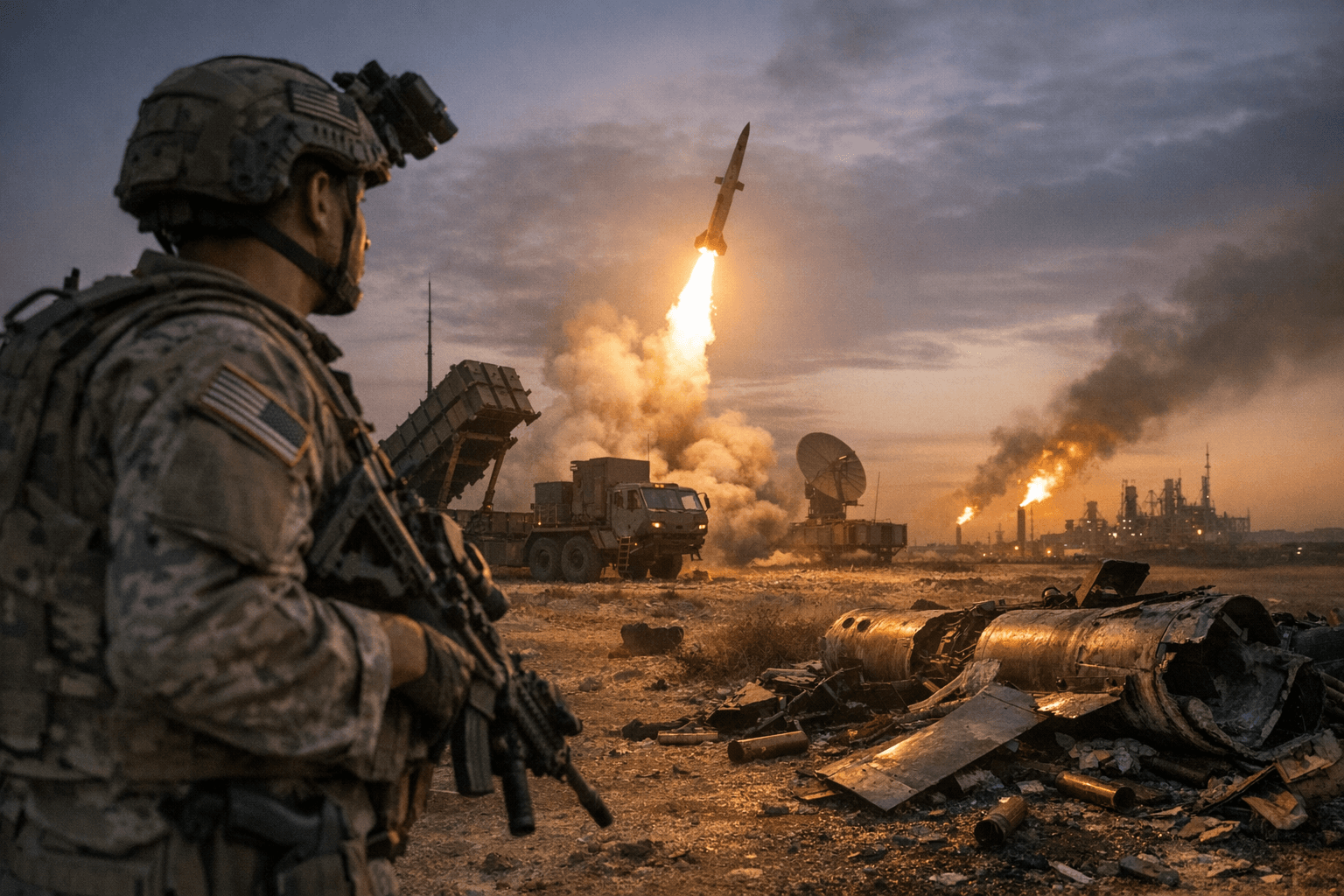
The bigger bill from the Iran war was not only money. The U.S. burned through enough high-end missiles and interceptors that rebuilding key stockpiles could stretch from months into years, leaving the Pentagon less flexible for another crisis in the western Pacific or Europe. Two independent estimates put the conflict at between $28 billion and $35 billion, or just under $1 billion a day.
The pace of spending was startling from the start. In the first two days alone, defense officials told lawmakers the military used about $5.6 billion in munitions, and by the end of the campaign the Pentagon said it had hit more than 13,000 targets. Officials cautioned that the target count understateed the weapons burn because warplanes, attack aircraft and artillery often struck the same large target more than once.
The harshest strain fell on the weapons the U.S. would want most in a fight with China or Russia. A CSIS analysis said the military used up 1,060 to 1,430 Patriot interceptors from a prewar stock of 2,330, more than half of its THAAD interceptors, and more than 45% of its Precision Strike Missiles. Other estimates put the Tomahawk drawdown above 1,000 missiles and the JASSM-ER stealth cruise missile burn at about 1,100, close to the total left in U.S. inventory. CSIS said restoring missile arsenals to prewar levels could take 42 to 53 months.
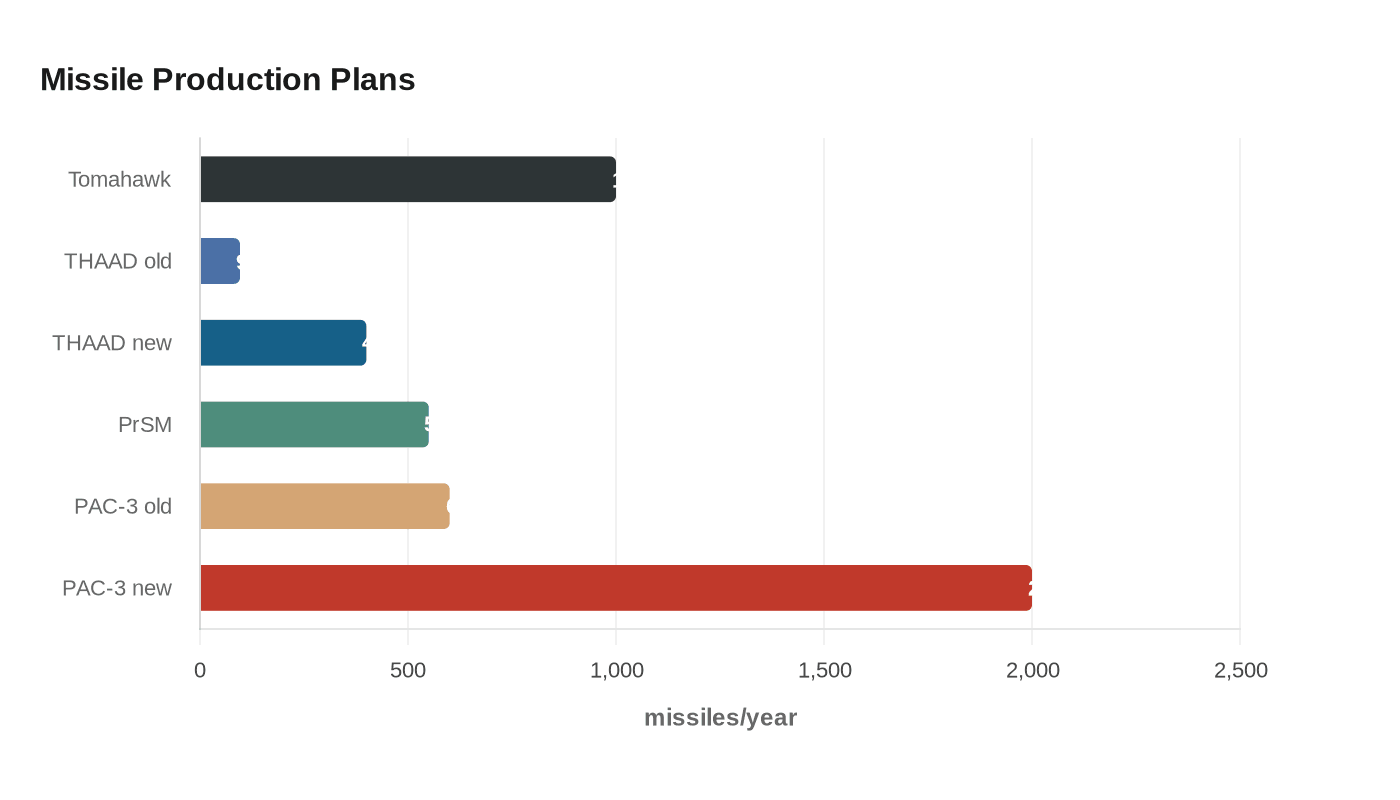
Industry is racing to catch up, but the rebuild still lags the burn rate. RTX said annual Tomahawk production would rise to 1,000, Lockheed Martin said THAAD output would increase from 96 to 400 interceptors a year, PrSM would scale to 550 missiles a year, and PAC-3 MSE production would climb from roughly 600 to 2,000 a year. Those gains matter, but they do not erase the strategic hole left by weeks of combat. CSIS concluded the U.S. still had enough missiles to continue fighting the Iran war, but the risk would persist for years in future wars, especially if Washington had to reinforce Taiwan, Ukraine or other theaters at the same time.
This article was produced by Prism’s automated news system from verified source data, official records, and press releases, then run through automated quality and moderation checks before publishing. The system is built and supervised by the people who set the standards it runs under. Read our full AI policy.
Did this article answer your question?


