U.S. weighs strikes on Iran as talks narrow but stall
New U.S. strikes could have lifted fuel and shipping costs within days as Iran and Washington stayed deadlocked over Hormuz tolls and uranium limits.
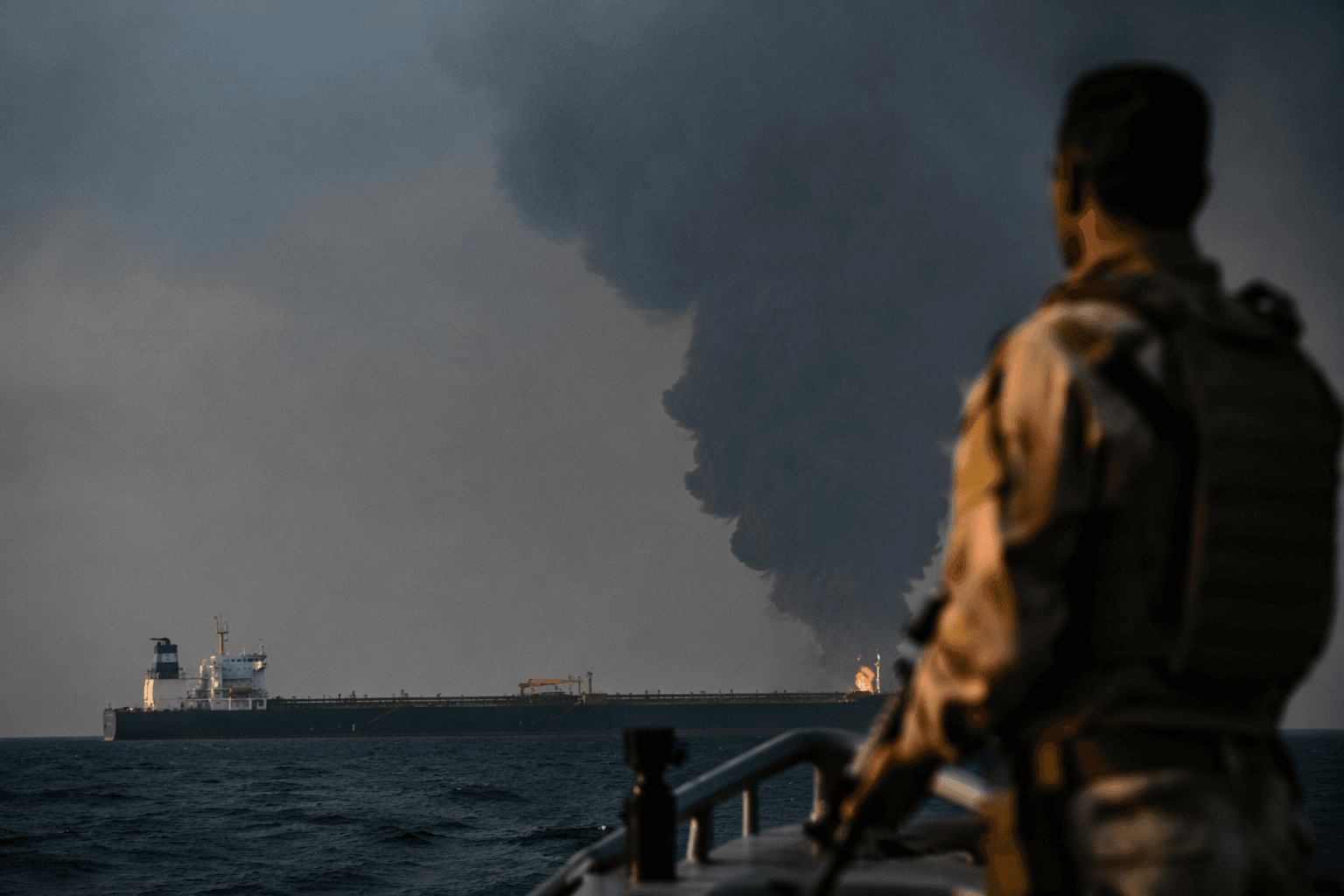
A new round of U.S. strikes on Iran could have driven up gas and freight costs within days, as the Strait of Hormuz sat at the center of a standoff over uranium enrichment, ship tolls and the risk of American and Iranian forces colliding again.
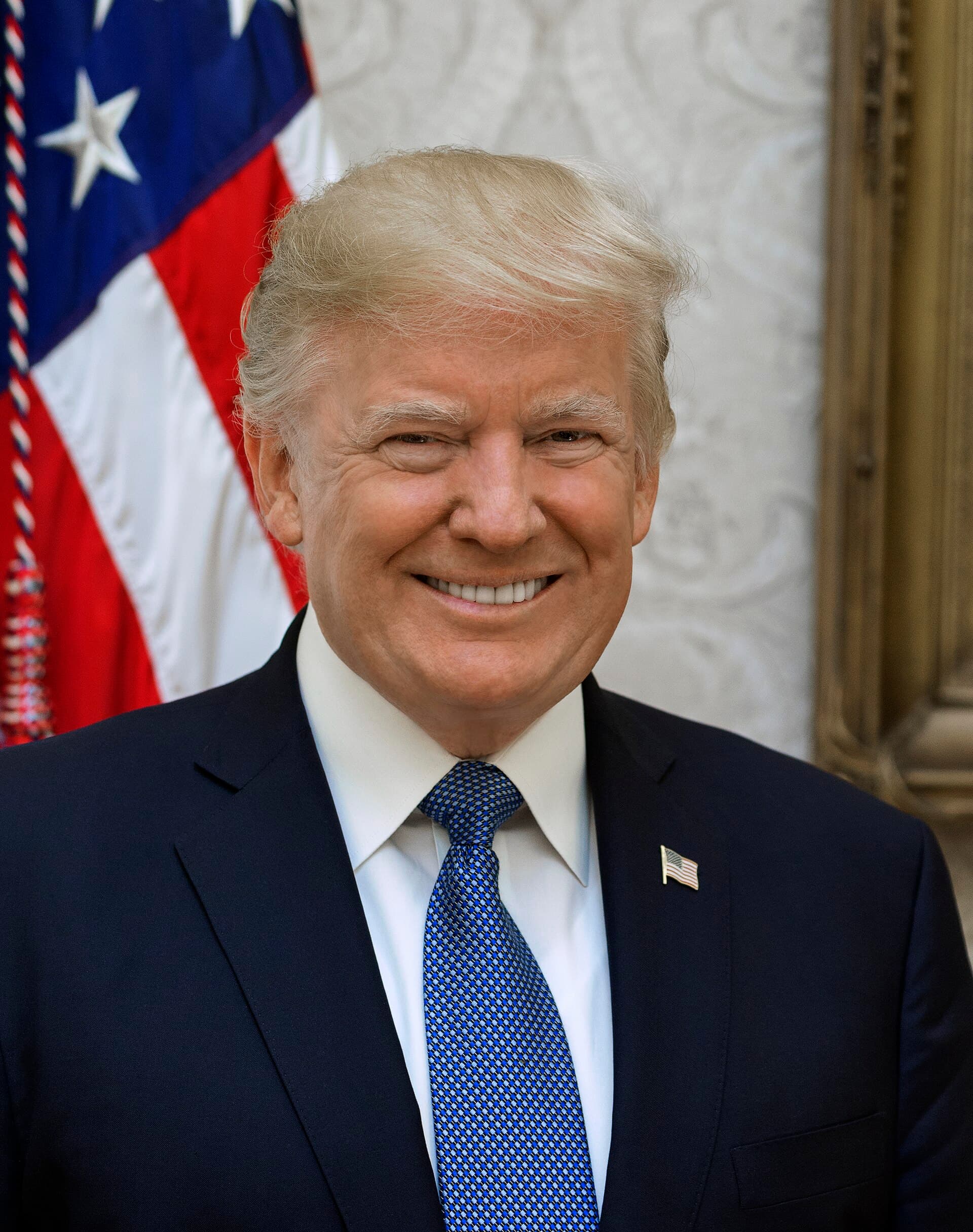
Donald Trump met with national security advisers as he weighed next steps, while U.S. officials said no final decision on strikes had been reached. The talks with Tehran had narrowed some differences, but not enough to produce a deal, and Iranian officials were still reviewing the latest U.S. proposal through intermediaries.
Secretary of State Marco Rubio said there had been “some slight progress” in the negotiations, but he also warned that any Iranian effort to create a tolling system for ships in the Strait of Hormuz was “not acceptable.” Pakistan had reportedly served as a channel for a revised Iranian counterproposal, underscoring how indirect the diplomacy remained even as military planning moved forward.
That matters because Hormuz is not a symbolic pressure point. In 2024, about 20 million barrels of oil a day moved through the strait, roughly 20% of global petroleum liquids consumption, and about one-fifth of the world’s liquefied natural gas trade also passed through the same narrow waterway, much of it from Qatar. Any new threat to shipping there could have hit energy prices fast, and Brent crude had already jumped sharply after recent tensions.
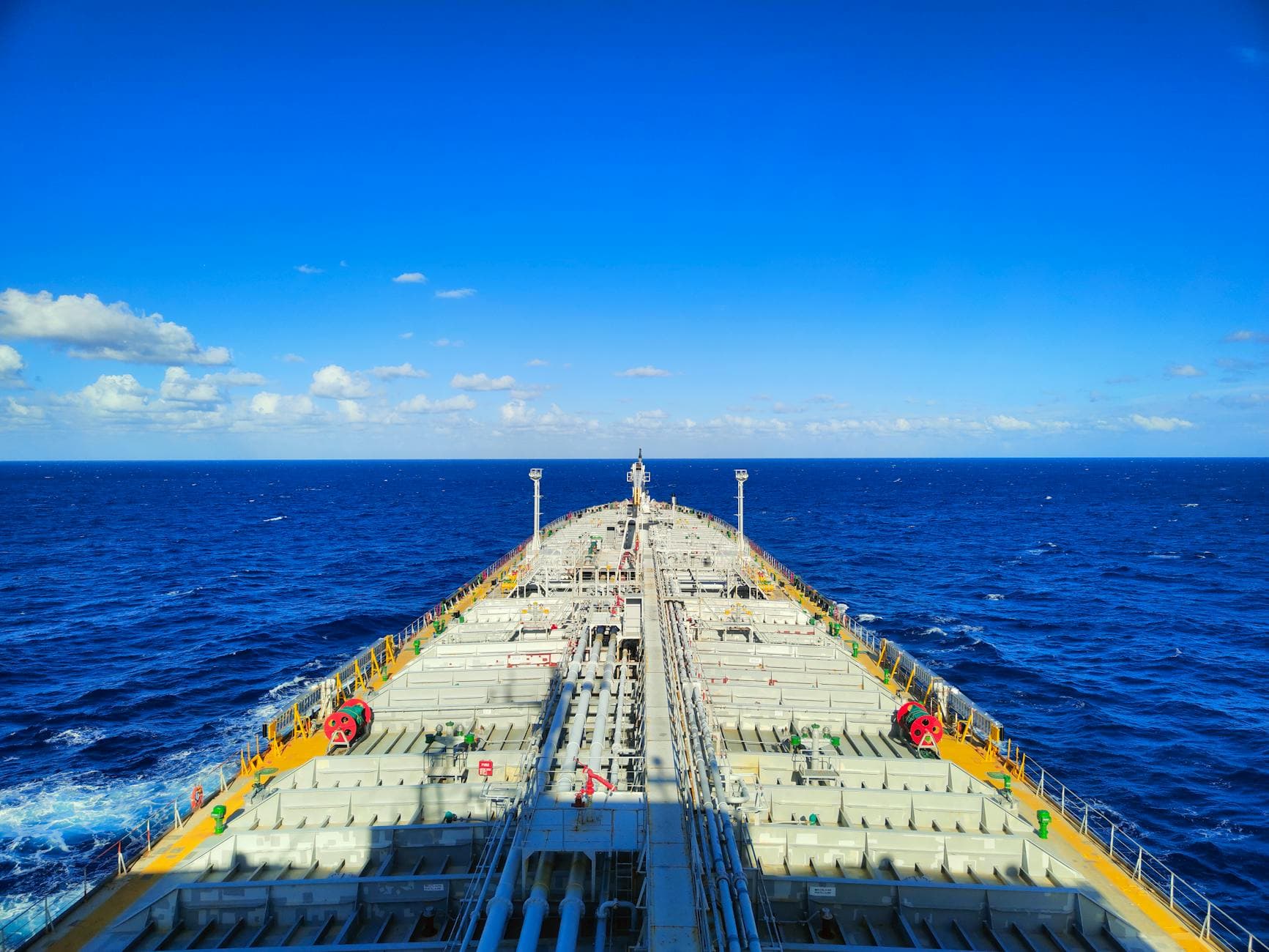
Iran had also discussed a mechanism with Oman that would have imposed fees on vessels crossing the strait, a step U.S. officials saw as a direct challenge to free passage. The stakes extended beyond markets. The U.S. and Iran had already traded attacks around the Strait of Hormuz, including U.S. self-defense strikes on Iranian targets in the area, raising the risk that another military move could have exposed American forces across the Persian Gulf before diplomats could catch up.
The conflict began on Feb. 28, 2026, and a fragile ceasefire had held since April 8, 2026, even as both sides kept up warnings. Gulf states including Saudi Arabia, the United Arab Emirates and Qatar had pushed for de-escalation and a negotiated outcome rather than renewed strikes, reflecting the fear that a fast-moving escalation around Hormuz could have reached households and markets long before public debate did.
Know something we missed? Have a correction or additional information?
Submit a Tip