U.S. withdraws some non-essential personnel from Al Udeid base
U.S. advised non-essential staff to leave Al Udeid and repositioned aircraft as tensions with Iran rose, a precautionary posture change with operational missions ongoing.
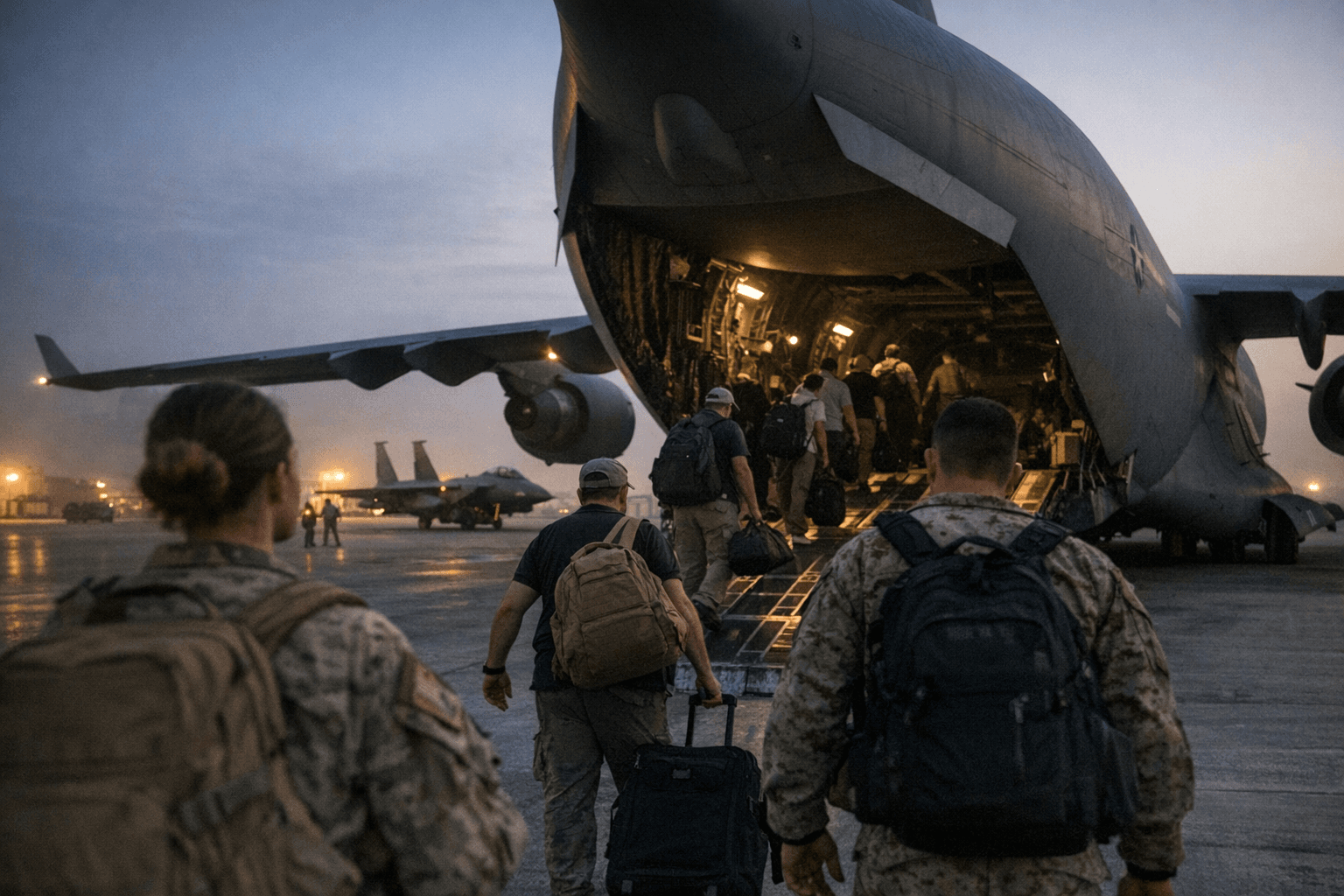
U.S. officials advised a portion of non-essential personnel at Al Udeid Air Base in Doha to depart this week and repositioned aircraft as a precaution amid rising tensions with Iran. The guidance, communicated earlier this week, affected only part of the U.S. footprint at the base and was described by diplomats as “a posture change, not an ordered evacuation.”
Al Udeid, the largest U.S. military installation in the Middle East and the forward headquarters for U.S. Central Command, typically hosts about 10,000 U.S. personnel. Across the region the United States deploys roughly 40,000 troops in places that include Qatar, Bahrain, Kuwait and Jordan. Officials did not provide a precise count of personnel moved in the most recent action.
A U.S. official speaking on condition of anonymity said the United States was pulling some personnel from key bases in the region "as a precaution given heightened regional tensions." Qatar’s International Media Office framed the measures at Al Udeid similarly, saying they “are being undertaken in response to the current regional tensions.” Diplomats also reported that some allied countries had taken limited repositioning steps at air bases in the region.
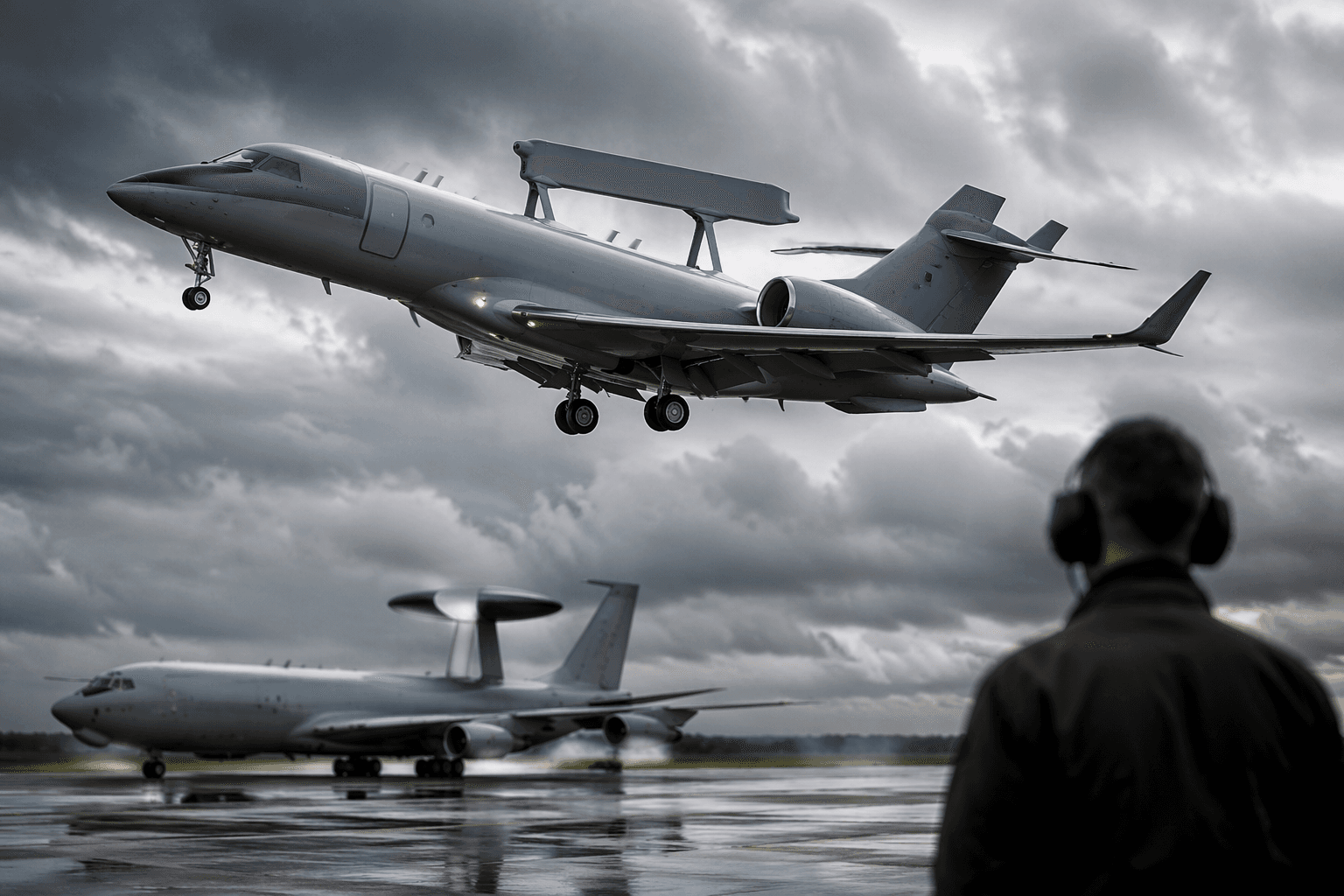
Commanders emphasized that operations continued and bases remained operational. U.S. military leaders have taken steps intended to reduce exposure for personnel whose roles are not essential to day-to-day missions, advising non-essential staff to depart, repositioning aircraft and implementing other force protection measures at select regional facilities. Reuters, Al Jazeera, CBS and other outlets published reports on the guidance Jan. 14, noting some personnel were advised to leave by Wednesday evening.
The posture adjustment follows months of escalatory incidents with Iran and public U.S. statements warning of potential intervention in response to Tehran’s crackdown on protesters. U.S. reporting indicates President Trump has weighed a range of options and received briefings on military and covert tools beyond conventional airstrikes, including cyber and psychological operations. Diplomacy is continuing: the United States requested a U.N. Security Council meeting on Iran, set to convene this week.
The precautionary move recalls last year’s sequence of events in which U.S. forces reduced numbers at regional sites ahead of operations; an Iranian missile strike that followed targeted Al Udeid but inflicted no reported casualties, in part because reduced troop numbers and missile defenses limited exposure. Last summer U.S. military officials said forces across the region had been drawn down to a “minimum force posture,” a phrase attributed to Chairman of the Joint Chiefs Gen. Dan Caine.
Operationally, Al Udeid remains a central coordination hub for operations spanning from Egypt to Central Asia. The base covers roughly 24 hectares, and CENTCOM this month established a new coordination cell, MEAD-CDOC, at Al Udeid to improve integrated air and missile defense cooperation with regional partners.
Officials stressed that the latest movements should be viewed as risk-mitigation rather than a shift in mission posture. For now, combat air patrols and logistical operations continue while commanders balance readiness with protecting personnel during an elevated period of strategic uncertainty.
This article was produced by Prism’s automated news system from verified source data, official records, and press releases, then run through automated quality and moderation checks before publishing. The system is built and supervised by the people who set the standards it runs under. Read our full AI policy.
Did this article answer your question?