USC study finds fish oil boosts brain levels, not memory or cognition
Fish oil lifted DHA in older adults’ brains by 17%, but a USC trial found no gain in memory, cognition or hippocampus protection.

Millions of Americans buy fish oil hoping for better brain health, but a University of Southern California study suggests that hope may be misplaced. In a two-year trial of 365 adults ages 55 to 80 who were at elevated risk for Alzheimer’s disease, a daily 2,000 mg dose of DHA raised omega-3 levels in the brain without improving memory, cognition or slowing brain cell loss.
The placebo-controlled, double-blind study focused on people with low fish intake and a high risk profile, including about 47% who carried APOE4, the strongest genetic risk factor for late-onset Alzheimer’s disease. After six months, cerebrospinal fluid DHA rose by an average of 17%, showing the supplement reached its target. But brain scans found no protection for the hippocampus, the memory center often used as a marker of aging and dementia risk.

The findings sharpen a long-running divide between supplement marketing and clinical evidence. Fish oil is a big business, with Americans spending more than $1 billion a year on the products, often under the promise that a capsule can function as a simple brain booster. This trial suggests a more complicated reality: the nutrient can get into the body and even into the brain, yet still fail to produce the outcomes that matter most to patients and families.
Hussein Naji Yassine, MD, director of the USC Center for Personalized Brain Health and the study’s lead investigator, said the results do not support fish oil supplements as a preventive measure against Alzheimer’s disease, even as he noted the team wishes there were a “silver bullet” for prevention. The study was published June 18, 2026 in eBioMedicine.
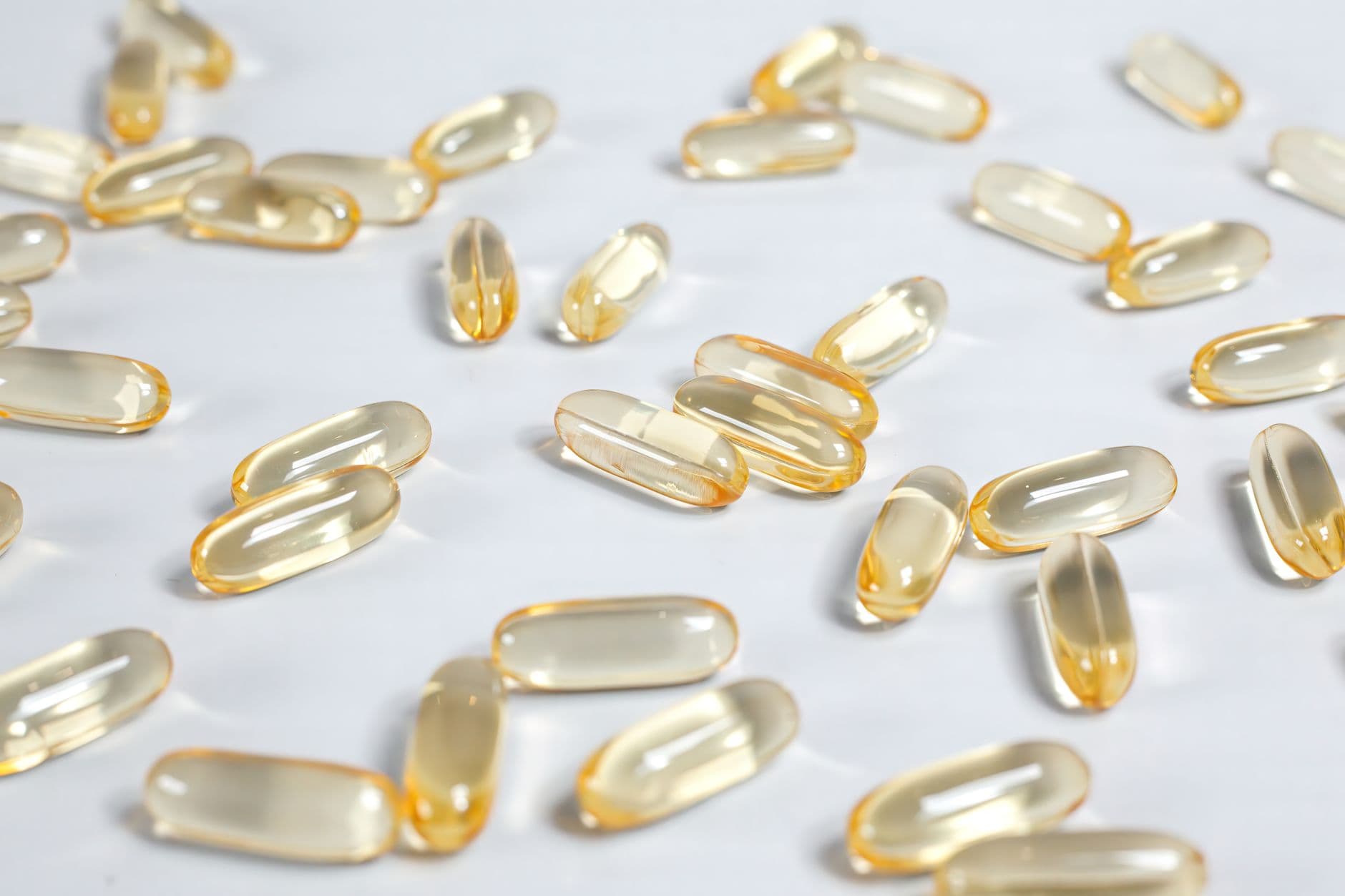
USC’s results also fit a mixed broader research picture. The National Institutes of Health’s Office of Dietary Supplements notes that omega-3s include ALA, EPA and DHA, and that the body converts ALA to DHA only very limitedly. An Oregon Health & Science University trial published in 2024 found no statistically significant benefit overall, though it suggested possible benefit among APOE4 carriers. For older adults already worried about memory loss, the message is plain: fish oil is not a proven shield against dementia, and prevention is still more likely to come from established medical and lifestyle strategies than from a bottle of capsules.
This article was produced by Prism’s automated news system from verified source data, official records, and press releases, then run through automated quality and moderation checks before publishing. The system is built and supervised by the people who set the standards it runs under. Read our full AI policy.
Did this article answer your question?