USCIS raises premium‑processing fees, H‑1B and I‑140 surcharges jump
USCIS increased Form I‑907 premium‑processing fees effective March 1, 2026, raising common employer filing surcharges by up to $160 and changing costs for universities and businesses.
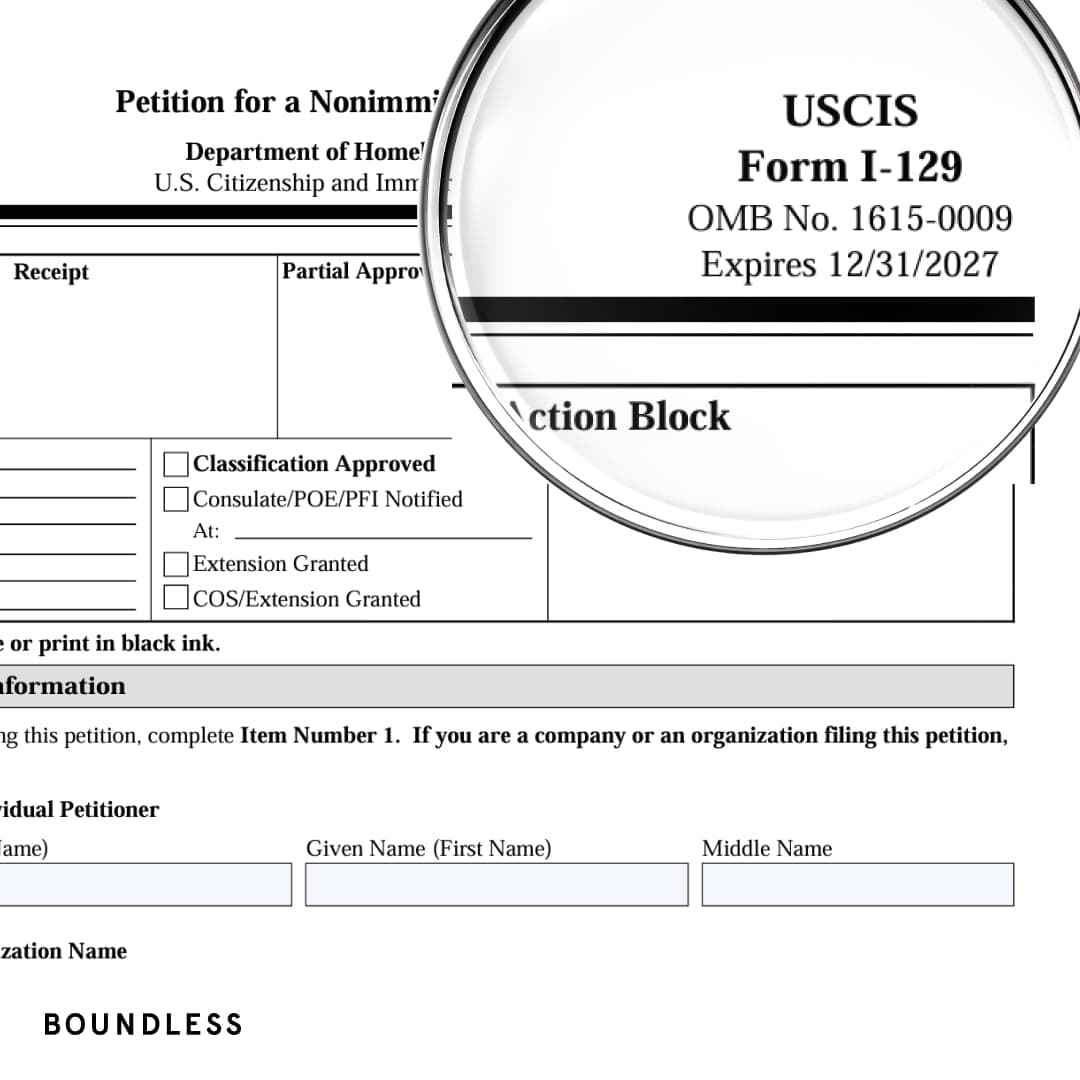
U.S. Citizenship and Immigration Services raised premium‑processing fees effective March 1, 2026, increasing the most common employer premium for Form I‑129 and Form I‑140 from $2,805 to $2,965 and boosting several other premium fees for nonimmigrant and immigrant petitions. The Department of Homeland Security said the adjustment reflects inflation measured by the Consumer Price Index and applies to any Form I‑907 request postmarked on or after March 1, 2026.
The final rule sets the new premium amounts for Form I‑907 filings as follows: for most Form I‑129 classifications used by employers and institutions the fee rises $160 from $2,805 to $2,965; H‑2B and R‑1 petitions move from $1,685 to $1,780, a $95 increase tied to a 5.72 percent CPI‑U rise; Form I‑140 premium processing increases from $2,805 to $2,965; Form I‑539 premium processing moves from $1,965 to $2,075; and Form I‑765 premium processing for certain employment authorization categories such as F‑1 OPT and STEM‑OPT increases from $1,685 to $1,780. The most common employer I‑129 classifications covered by the higher $2,965 tier are listed as: E-1 E-2 E-3 H-1B H-3 L-1A L-1B LZ O-1 O-2 P-1 P-1S P-2 P-2S P-3 P-3S Q-1 TN-1 TN-2.

The Department framed the change as an automatic inflation adjustment under the USCIS Stabilization Act. As the Federal Register put it, "This rule increases the premium processing fees charged by U.S. Citizenship and Immigration Services (USCIS) to reflect the amount of inflation from June 2023 through June 2025 according to the Consumer Price Index for All Urban Consumers." The Federal Register also specifies the H‑2B and R‑1 increase as: "the premium processing fee for Forms I‑907 requesting H‑2B or R‑1 nonimmigrant classification will increase from $1,685 to $1,780, an increase of $95, which is the result of a 5.72 percent increase in the CPI‑U from June 2023 to June 2025."
USCIS and DHS say revenue from the higher fees will support adjudication work. As reported by immigration counsel, "USCIS stated that the government will use the revenue generated by the fee increase to provide premium processing services, make improvements to adjudication processes, respond to adjudication demands, including processing backlogs, and otherwise fund USCIS adjudication and naturalization services." Premium processing remains an optional, expedited add‑on filed on Form I‑907 and is requested in addition to the base filing fee for the underlying petition or application.
The fee change follows the biennial adjustment schedule established by the Stabilization Act; USCIS last adjusted premium processing fees in February 2024 and previously implemented a major change in October 2020. The final rule is codified in 8 CFR Part 106 and identified as CIS No. 2830-25 in the Federal Register summary.
Universities and employers that rely on premium processing were urged to review budgets and timelines. The University of Pennsylvania's advisory to campus units noted the increases "may affect budgeting and timing decisions for petitions where premium processing is used to meet academic or administrative start‑date goals or other time‑sensitive needs" and provided internal contact information for questions: ISSS, 3935 Walnut Street, University of Pennsylvania, Philadelphia, PA 19104, global@upenn.edu.
USCIS also issued form‑edition guidance affecting Form I‑129 concurrent with the rule, but public notices accompanying the fee table did not include detailed edition instructions or effective dates. Filers should confirm the required I‑129 edition and whether the postmark rule for paper filings applies differently to electronic submissions when preparing Form I‑907 requests.
This article was produced by Prism’s automated news system from verified source data, official records, and press releases, then run through automated quality and moderation checks before publishing. The system is built and supervised by the people who set the standards it runs under. Read our full AI policy.
Did this article answer your question?

