USDA investigates possible New World screwworm case in South Texas
A South Texas sample is headed to a federal lab as USDA warns a confirmed screwworm would mark the pest’s first breach of the U.S.-Mexico border.
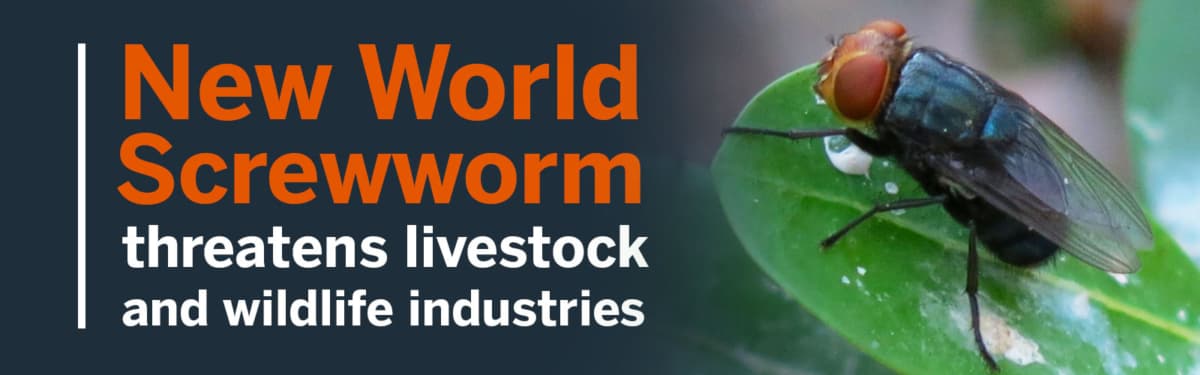
A sample from South Texas was sent to the National Veterinary Services Laboratories in Ames, Iowa, for confirmation as federal officials investigated a possible New World screwworm case that could mark the fly’s first breach of the U.S.-Mexico border. USDA’s status page still said as of May 27 that New World screwworm was not present in the United States, even as the agency kept dispersing 100 million sterile insects a week in Mexico and along the border and said all southern ports of entry remained closed to livestock trade.
The stakes are far larger than one ranch or one county. New World screwworm larvae feed on living flesh, can infest livestock, wildlife, pets, birds and people, and can quickly worsen open wounds if they are not treated. The Centers for Disease Control and Prevention says human cases are rare, but possible, especially for people with open sores or those working closely with animals in affected areas. If the South Texas sample is confirmed, officials would be forced to treat it as a serious containment emergency, with more trapping, tighter animal movement controls and a deeper test of the border defenses already in place.
The threat had already been pushing closer. Texas Agriculture Commissioner Sid Miller said on May 1 that the first confirmed detection in Coahuila, Mexico, was 119 miles from the Texas border, prompting expanded trapping and surveillance in high-risk border zones, export pens and port regions. The Texas Department of Agriculture said it was running weekly inspections and reporting in those areas, while USDA’s current-status page showed active detections in multiple Mexican states and said isolated detections outside known affected areas were not unexpected.
For Texas, the economic exposure is immediate. The state leads the nation in cattle production, and Reuters has reported that the U.S. cattle herd is at its lowest level in 75 years. USDA already suspended live cattle, horse and bison imports through southern border ports in May 2025 as the pest moved north in Mexico, and the agency’s import guidance still says those southern border cattle imports are suspended because of New World screwworm. USDA Animal and Plant Health Inspection Service said on January 30 that it was shifting sterile-fly dispersal efforts to reinforce coverage along the border, including operations about 50 miles into Texas, and said production could approach 500 million sterile flies a week as new and renovated facilities are developed in the United States and Mexico.
The last time the United States drove the pest out, it took years of cross-border cooperation and the sterile insect technique pioneered by Edward Fred Knipling and other USDA scientists. A confirmed case in South Texas would not just reopen an old wound; it would show how much modern food security still depends on keeping a single insect from crossing a line on the map.
This article was produced by Prism’s automated news system from verified source data, official records, and press releases, then run through automated quality and moderation checks before publishing. The system is built and supervised by the people who set the standards it runs under. Read our full AI policy.
Know something we missed? Have a correction or additional information?
Submit a Tip