Ushuaia rejects blame in deadly hantavirus outbreak aboard cruise ship
Ushuaia is pushing back against blame for a deadly hantavirus outbreak, even as investigators trap rodents and trace a cruise route that began in the city.
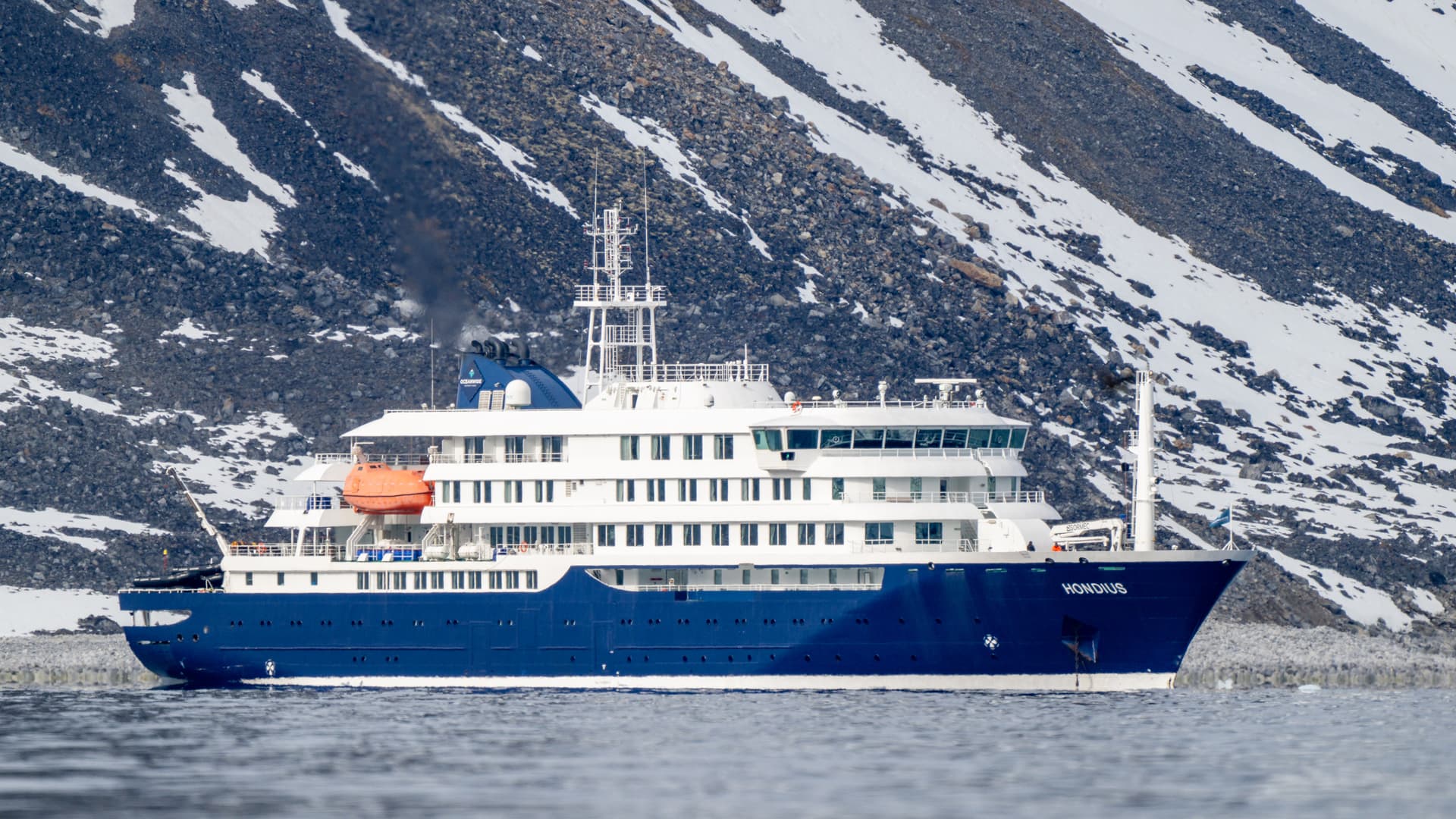
Ushuaia’s leaders are rejecting any link between the Antarctic gateway city and a deadly hantavirus outbreak aboard the Dutch-flagged expedition ship MV Hondius, arguing that the timing and the local record do not support the claim. Tierra del Fuego’s epidemiology director, Juan Facundo Petrina, said there was an “almost zero” chance that the Dutch man infected aboard the ship caught the virus in Ushuaia.
The outbreak has killed three people and left eight cases reported, including five laboratory-confirmed infections and three suspected cases tied to the Andes strain of hantavirus, according to the World Health Organization. WHO said the first known patient developed symptoms on April 6, the outbreak was reported on May 2, and the overall public health risk remains low. The United Kingdom notified WHO under International Health Regulations after passengers developed severe respiratory illness during the voyage.
The Hondius left Ushuaia on April 1 with about 147 to 149 people from 23 countries on board, then traveled through Antarctica and other South Atlantic stops before the illness cluster was detected. That route has become central to the investigation, but officials in Tierra del Fuego say the province itself is an unlikely source. Petrina said the province has never recorded a hantavirus case, let alone the Andes variant involved in the outbreak, and he said federal officials did not initially contact local authorities before the city’s name surfaced in media reports.
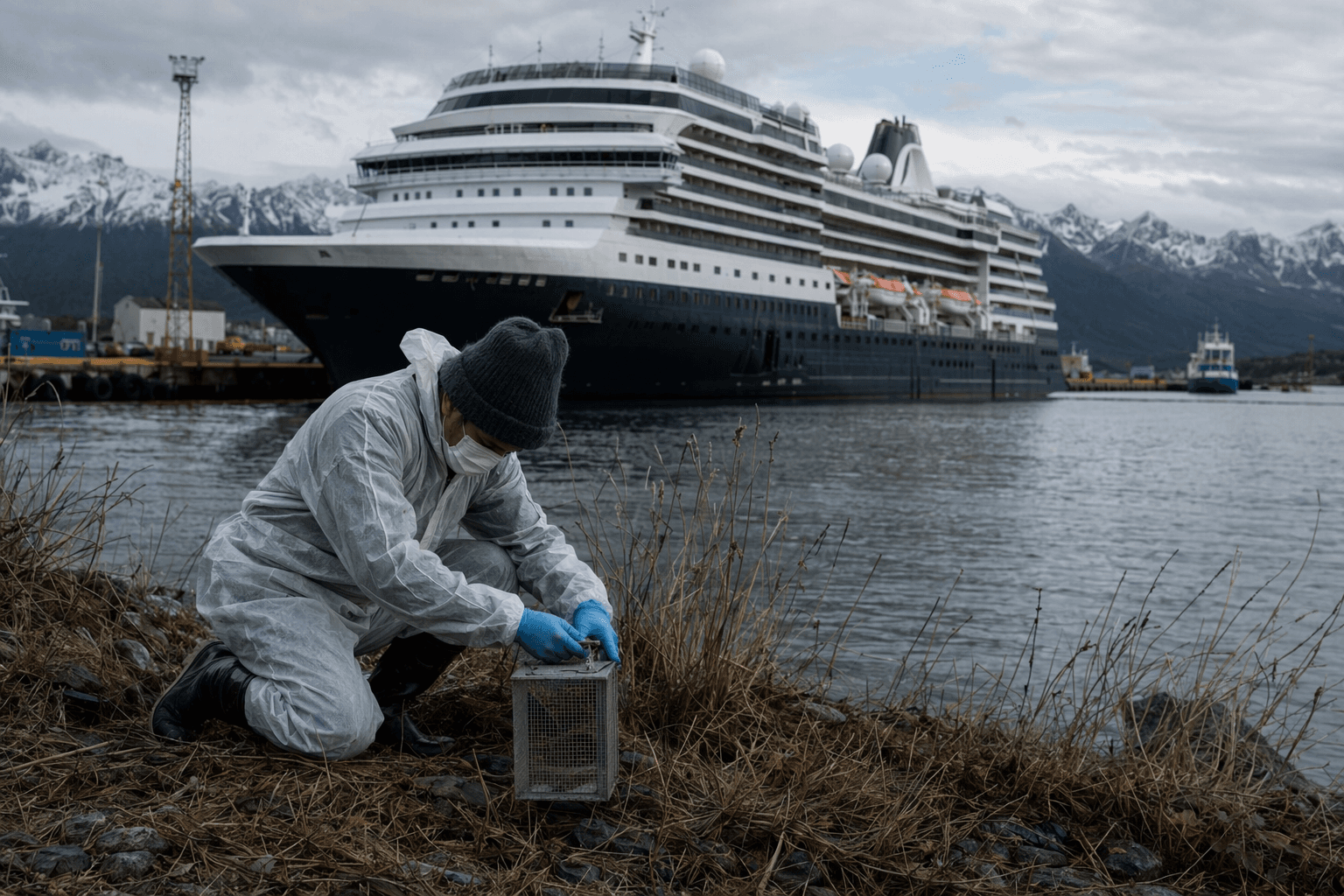
Argentina’s Health Ministry has said it would send experts to Ushuaia to trap rodents and test for possible virus presence, while reconstructing the itinerary of travelers who had visited Argentina and Chile before symptoms appeared. Local officials have challenged an early theory that a landfill in or near Ushuaia could be involved, and they are pressing investigators to examine other Argentine provinces visited by the passengers before the cruise began.
The fight over where the virus came from matters far beyond a single port. Ushuaia drew more than 157,000 cruise passengers last year, nearly double its local population, and the city depends heavily on tourism and Antarctic cruise traffic. Former local officials have warned that any lingering association with a lethal outbreak could hurt bookings for next season, even as WHO and the U.S. Centers for Disease Control and Prevention continue to say the risk to the general public remains low. The Andes strain is the only known hantavirus with limited human-to-human transmission, usually through close and prolonged contact, which makes the source question especially sensitive as officials try to avoid a premature verdict.
This article was produced by Prism’s automated news system from verified source data, official records, and press releases, then run through automated quality and moderation checks before publishing. The system is built and supervised by the people who set the standards it runs under. Read our full AI policy.
Did this article answer your question?


