USPS lands $10 billion DHL deal for last-mile deliveries
USPS won an exclusive DHL contract worth well over $10 billion, turning its delivery reach into a potential revenue engine. The bet is whether that scale can shore up finances without blunting public service.

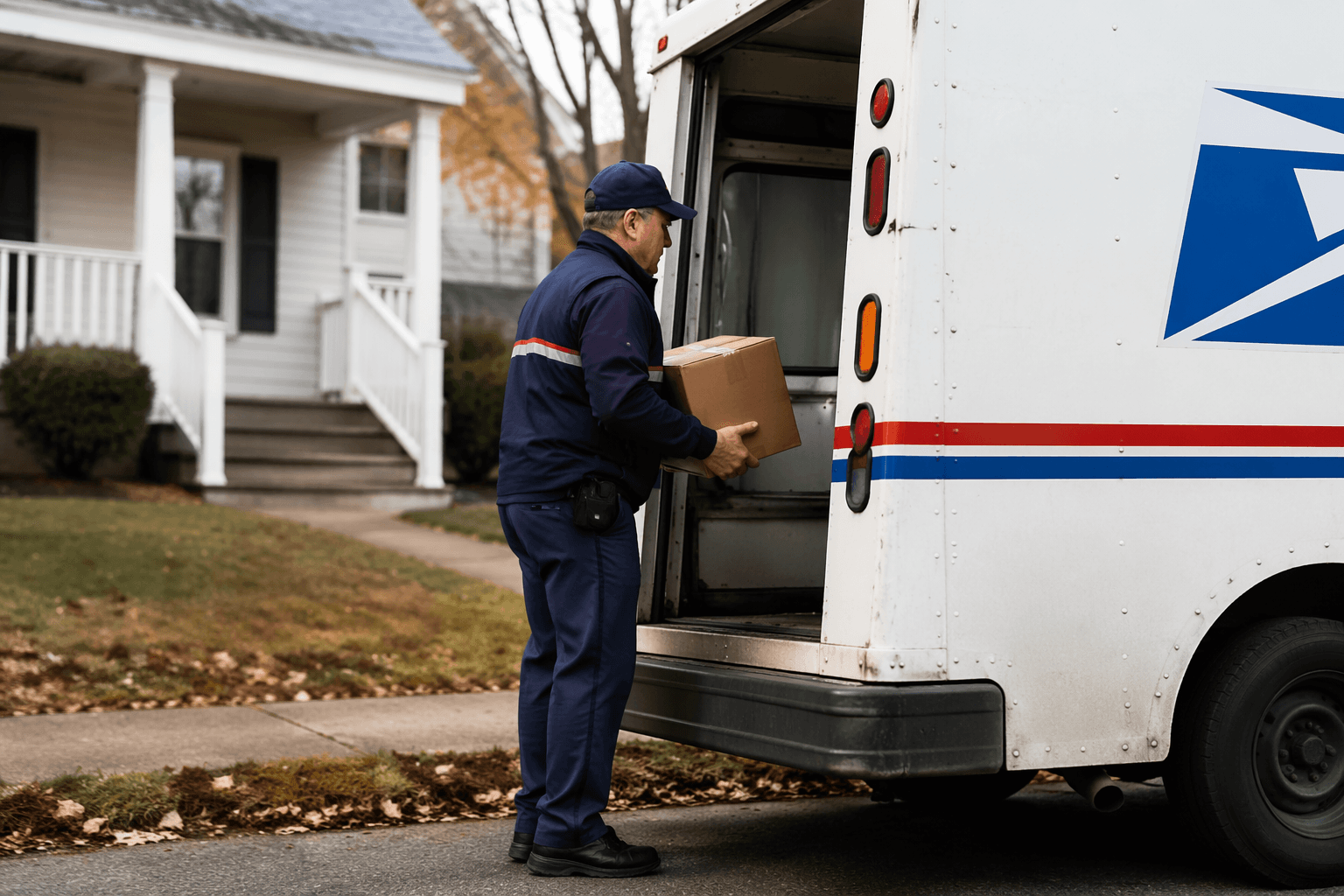
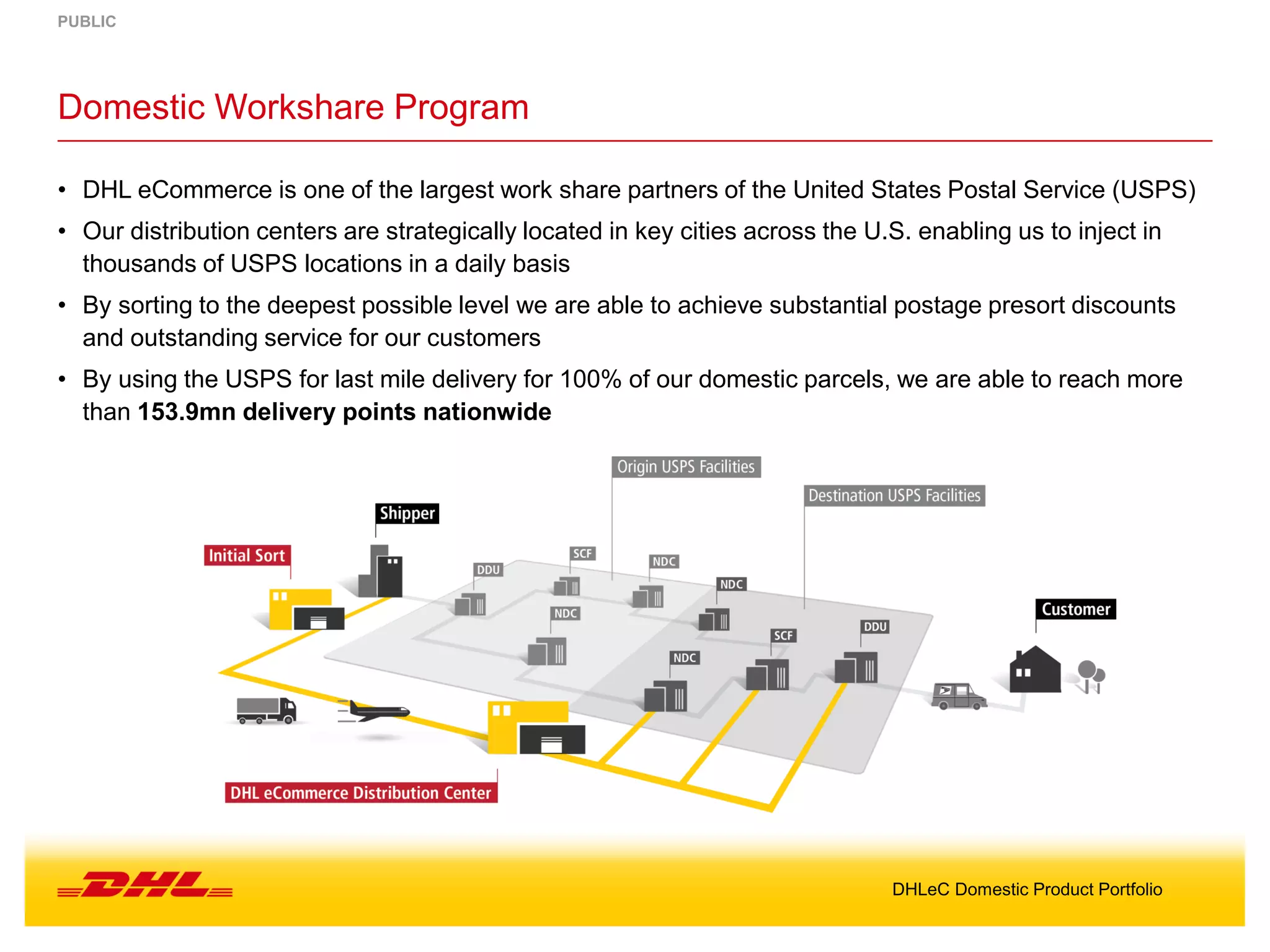
USPS has landed one of its largest commercial deals in years, striking an exclusive, multi-year agreement with DHL eCommerce worth well over $10 billion to handle last-mile parcel delivery in the United States. The contract puts the Postal Service deeper into the fastest-growing part of package delivery, the final and most labor-intensive stretch from a local distribution center to a customer’s door.
The scale of USPS is the reason DHL wanted in. David Steiner said the agency reaches more than 170 million delivery points across more than 41,550 ZIP Codes six days a week, giving it a footprint that private carriers cannot easily match. Postal Facts data says USPS serves nearly 169 million addresses, including 157.8 million residences and 12.6 million businesses, through more than 32,600 retail locations. DHL said the expanded arrangement will let it use its first- and middle-mile network while USPS completes the final mile directly to homes, a setup that could reduce the need for extra trucks on the road and support emissions cuts.
For USPS, the deal arrives as financial pressure intensifies. The agency reported a $9.0 billion GAAP net loss for fiscal 2025 and a $2.7 billion controllable loss, underscoring how difficult it has been to balance universal service with rising operating costs and shifting parcel volumes. Steiner warned in March that USPS could run out of cash within a year without congressional action on borrowing limits, a stark reminder that even a 250-year-old institution can face a liquidity crunch if losses persist. The Postal Service Reform Act of 2022 eased retiree health prefunding burdens, but it did not erase the structural losses that continue to hang over the agency.
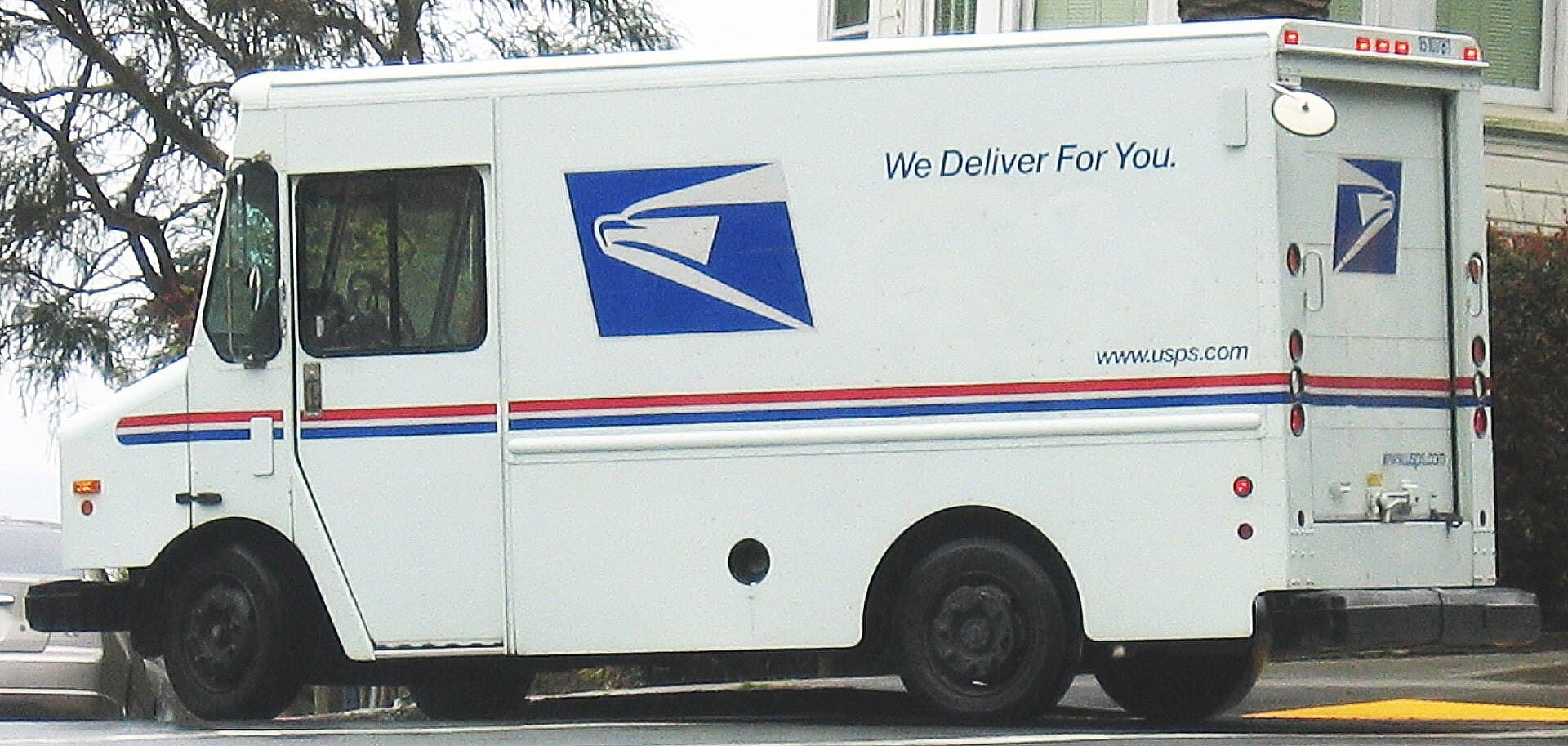

The DHL pact suggests USPS is trying to monetize its unmatched physical network while preserving its public mandate. That strategy could add volume, spread fixed delivery costs over more parcels and strengthen USPS’s position in a last-mile market dominated by private carriers. It could also sharpen pricing pressure as DHL leans on postal routes instead of building more of its own delivery fleet. If the arrangement works, USPS may prove that commercial logistics can help stabilize the mail system. If it does not, the deal will stand as another sign that scale alone cannot solve the Postal Service’s deeper financial problems.
This article was produced by Prism’s automated news system from verified source data, official records, and press releases, then run through automated quality and moderation checks before publishing. The system is built and supervised by the people who set the standards it runs under. Read our full AI policy.
Did this article answer your question?

%3Amax_bytes(150000)%3Astrip_icc()%2FCertificate-of-deposit-2301f2164ceb4e91b100cb92aa6f868a.jpg&w=1920&q=75)
