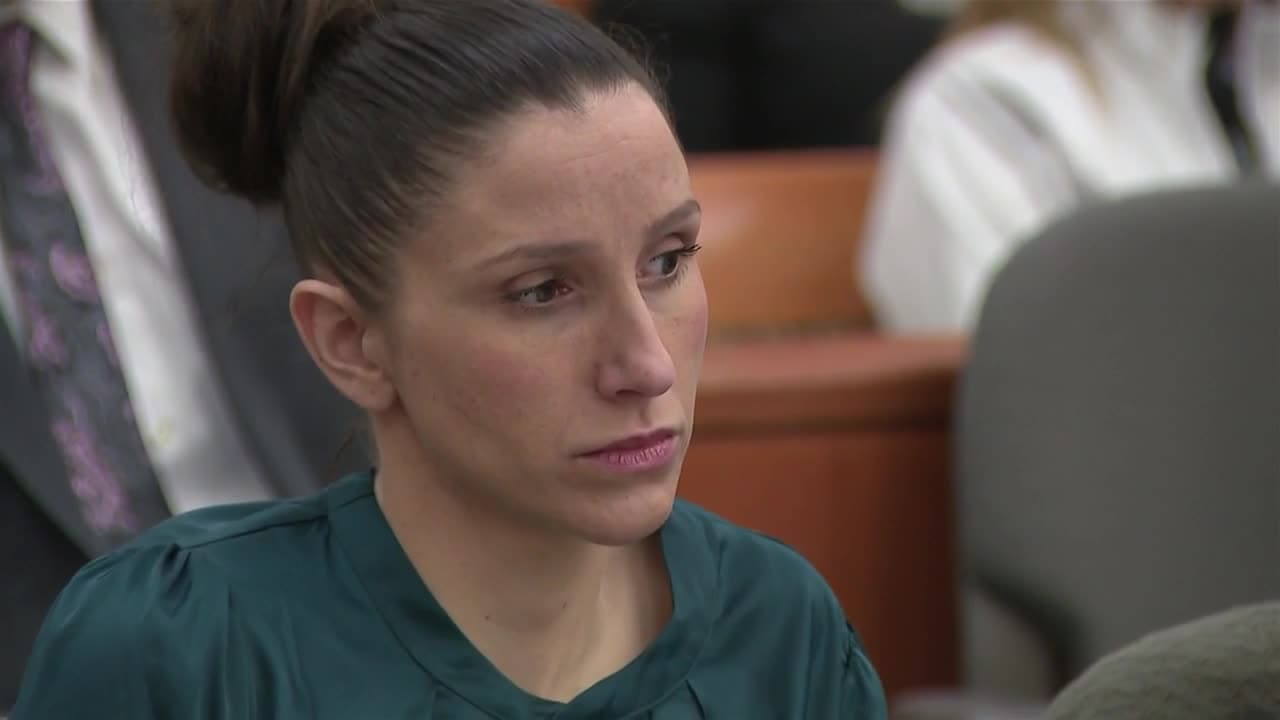
Utah mom Kouri Richins gets life without parole in husband's murder case
Kouri Richins received life without parole on the day Eric Richins would have turned 44, after jurors tied fentanyl, fraud and motive into a murder conviction.

A Utah judge sentenced Kouri Richins to life without the possibility of parole, closing a murder case that rested on fentanyl evidence, fraud charges and the allegation that money drove the killing of her husband, Eric Richins.
3rd District Judge Richard Mrazik imposed the sentence on May 13, 2026, the day Eric Richins would have turned 44, after rejecting a defense request to push the hearing into June. Richins’ lawyers said they wanted more time to assemble material that could persuade the court to choose 25 years to life instead of the harsher penalty.
The sentence followed a three-week trial that ended with a jury convicting Richins after about three hours of deliberation. Jurors found the Kamas mother and real estate agent guilty of aggravated murder, attempted aggravated murder, two counts of insurance fraud and forgery. Prosecutors said Eric Richins was fatally poisoned with fentanyl on March 4, 2022, and that Richins had also tried to kill him on Valentine’s Day 2022 by slipping drugs into his food.

At trial, the state leaned heavily on toxicology and witness testimony. Jurors heard that Eric Richins had five times a lethal fentanyl dose in his body. Detective Jeff O’Driscoll testified that no fentanyl was found in the Richins home, but there was a “boatload of fentanyl” in Eric Richins’ stomach. Carmen Lauber also testified about obtaining fentanyl for Kouri Richins, adding another layer to the prosecution’s account of how the drug entered the case.
The verdict landed with immediate force on Eric Richins’ family. They said they felt shock and were grateful for justice, and Amy Richins said the family was focused on honoring Eric’s life and supporting his boys as they continued to heal. The case drew national attention not only because of the violence alleged inside the marriage, but because Richins had written a children’s book about coping with grief after her husband’s death.

The murder trial was only part of a broader criminal case that also included allegations of mortgage fraud, money laundering and other financial crimes. In the end, prosecutors turned suspicion into a life sentence by tying the alleged killing to fentanyl evidence, attempted poisoning and a financial motive that kept the case at the center of public attention far beyond Summit County.
Know something we missed? Have a correction or additional information?
Submit a Tip