UW President Ed Seidel Named to DOE’s 21-Member Science Advisory Committee
University of Wyoming president Ed Seidel was named to the DOE’s new 21-member Office of Science Advisory Committee, a role that could shape research priorities and funding for Wyoming.
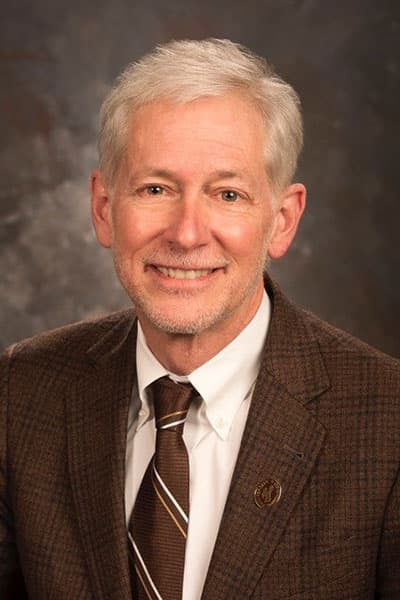
University of Wyoming President Ed Seidel was named to the U.S. Department of Energy’s newly announced 21-member Office of Science Advisory Committee, a unified advisory body that will provide independent advice on complex scientific and technical challenges across the Office of Science. The Department of Energy announced the committee Feb. 4, and UW published Seidel’s appointment Feb. 5; members will serve two-year terms through January 2028.
The committee arrives as the Office of Science focuses on areas ranging from fusion energy to quantum science and oversees major national research infrastructure. Seidel framed the work in everyday terms: “While a rancher may not be thinking about Einstein’s theory of relativity when using GPS to guide his tractor through a field or the proud owner of a new iPhone may not dwell over quantum mechanics, University of Wyoming President Ed Seidel recognizes the best science essential to the function of these common devices leads to innovation that impacts the lives of everyday citizens.”
Seidel emphasized the national scope of the Office of Science and his intent to represent Wyoming at the federal level. “It is quite an honor to be asked to be among a group of national leaders to support science at the highest level in the U.S. The Office of Science is the nation’s largest supporter of basic research in energy, the physical sciences, scientific computing and its applications, and many other areas,” Seidel says. “It oversees 10 national labs, the world’s leading computing facilities and many programs that help make the U.S. the world’s leader in science. Being a member of this advisory committee means that I will be able to bring both an international and Wyoming perspective to the DOE, and to support the strengthening of our own programs that impact our students and our state the ‘energy state.’”
Locally, the appointment gives Albany County and the University of Wyoming a direct line into federal science policy discussions that can influence research grants, lab partnerships, and high-performance computing access. UW students and researchers in energy, atmospheric science, and computing may see benefits if Seidel presses for investments tied to Wyoming priorities. Seidel’s language about bringing a Wyoming perspective signals potential advocacy for rural research capacity and workforce development in an economy built around energy and natural resources.
The appointment also intersects with larger equity debates about advisory representation. In testimony before lawmakers, Dr. J. Stephen Binkley described the Office of Science as “a foundational contributor to the U.S. science research ecosystem and as a driver of advances across many scientific and technical domains of critical importance to our nation.” Lawmakers have questioned geographic balance on advisory panels: the Office of Science’s six standing advisory committees collectively include 124 members, of whom only eight come from universities in EPSCoR states, and the transcript notes the six committees “include more members from outside of the United States than they do members from EPSCoR states.” Binkley acknowledged that “EPSCoR programs, I do think that more could be done... more research funding leads to great dividends paid back, in terms of economic development,” a point that could resonate with Wyoming’s rural communities.
For Albany County readers, Seidel’s role on the SCAC means a local voice in national conversations about research priorities and investments that could affect campus programs, regional economic development, and students seeking research opportunities. The committee will begin work under two-year terms through January 2028, and observers will be watching how Seidel and other members address EPSCoR representation and the Office of Science’s strategic priorities.
Sources:
Know something we missed? Have a correction or additional information?
Submit a Tip