Uyghur advocates urge Trump to confront China before summit
Uyghur advocates want Trump to press Xi on detainees and Xinjiang, warning that silence would undercut the 2021 genocide designation.
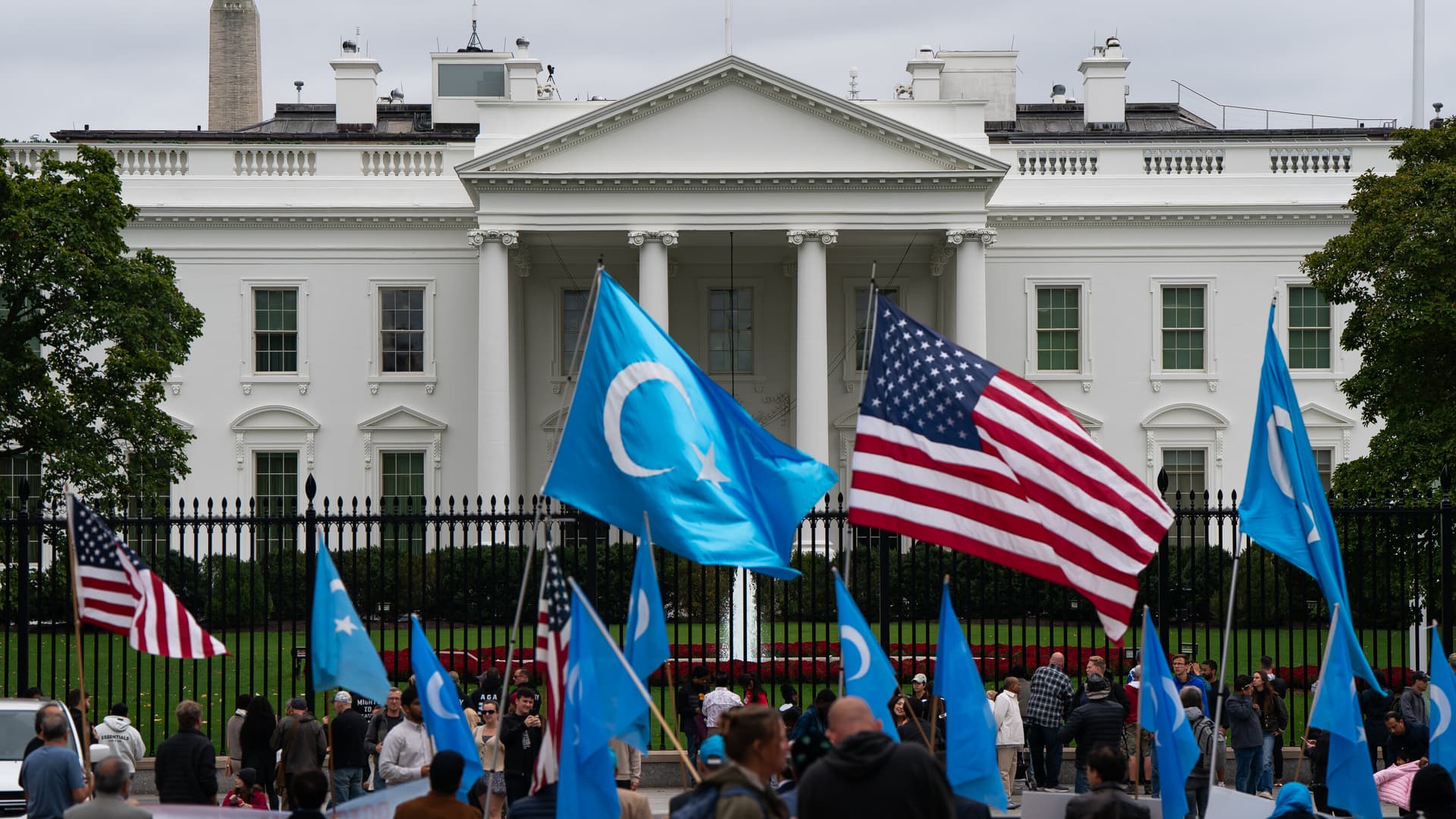
Uyghur advocates are pressing Donald Trump to confront Xi Jinping over the treatment of Uyghurs as the two leaders prepare to meet in Beijing, arguing that the issue has slipped from the center of U.S.-China diplomacy even after Washington formally labeled the crackdown a genocide.
The stakes are unusually high because Trump’s first term produced the sharpest U.S. condemnation to date. On January 19, 2021, the State Department said the People’s Republic of China had committed genocide and crimes against humanity against Uyghurs and other predominantly Muslim minority groups in Xinjiang. The department’s 2021 human rights report said the abuses had continued since at least March 2017 and included the arbitrary imprisonment or other severe deprivation of liberty of more than one million civilians, forced sterilization, coerced abortions, torture, forced labor, and sweeping restrictions on religion, expression and movement. U.S. officials also said China continued to deny the abuses and block international access to Xinjiang.

Advocates say the rhetoric matters only if it is matched by leverage. The Uyghur Human Rights Project said it has documented at least 11 wrongfully detained or imprisoned Uyghur scholars and cultural leaders who have immediate family members in the United States, and it has urged Trump to raise those cases directly with Xi. Omer Kanat, a leading voice at the group, has argued that if Trump does not raise Uyghur cases, Beijing will read the omission as weakness. The World Uyghur Congress has also urged Trump to confront China over the genocide during the visit.
The Beijing summit, scheduled for May 14-15, is Trump’s first trip to China during his second term and his first since November 2017. Reporting ahead of the meeting said roughly 12,000 Uyghurs live in the United States, many watching to see whether Trump will return to the first-term toughness that produced the genocide determination. Marco Rubio and other U.S. officials have kept pressure on Beijing in public, but Uyghur advocates say the true test is whether the president uses the meeting to force concrete consequences.
For Uyghurs, a meaningful outcome would go beyond repeating the word genocide. It would mean Trump naming detained scholars and cultural leaders, demanding their release, pressing for access to Xinjiang for international observers, and putting measurable pressure on Beijing’s system of mass detention, coercive population control, torture and forced labor. Without that, advocates say, the genocide designation risks becoming a moral statement with little political force.
This article was produced by Prism’s automated news system from verified source data, official records, and press releases, then run through automated quality and moderation checks before publishing. The system is built and supervised by the people who set the standards it runs under. Read our full AI policy.
Did this article answer your question?