Vague U.S.-Iran cease-fire deal collapses as hostilities resume
A 14-point U.S.-Iran truce left Iran’s nuclear program unresolved and the Strait of Hormuz disputed, then fractured as attacks resumed and Trump called it “over.”
The 14-point Islamabad memorandum declared the war over and promised the Strait of Hormuz would stay open to commercial vessels, but it left Iran’s nuclear program to a second phase of negotiations and depended on a 60-day interim arrangement that carried little hard enforcement. Its language became the road map to renewed fighting.
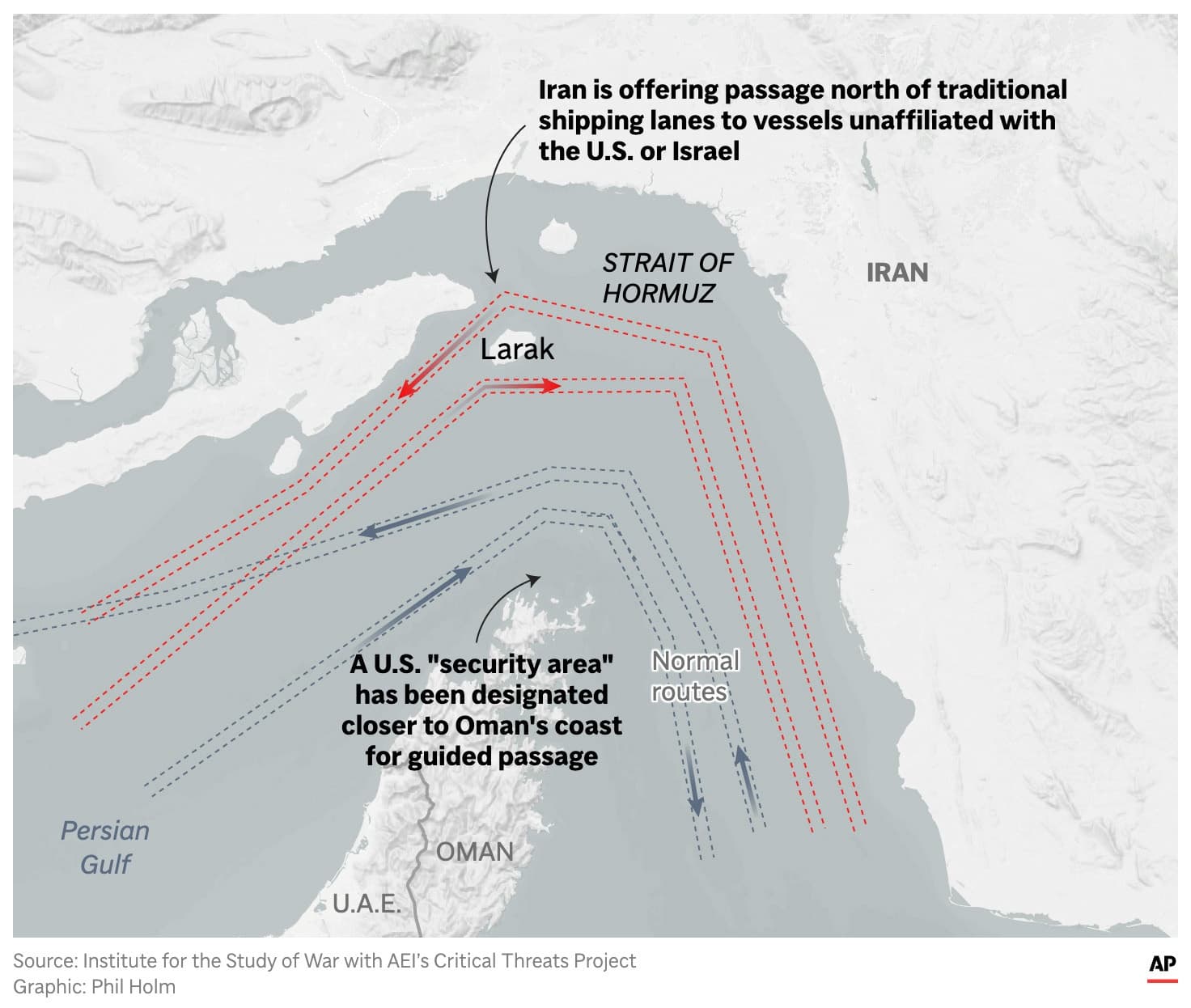
Article 5 sat at the center of the dispute. It said commercial traffic would immediately restart and that Iran would use its best efforts to ensure safe passage for commercial ships for 60 days without charge. Tehran treated that wording as recognition of its right to manage the entire waterway, while the United States and Gulf states rejected that reading and insisted the strait remain toll-free. The U.S. Navy’s Joint Maritime Information Center said a southern route through the strait remained available even as Iran fired on vessels it said had used an unapproved route and then declared the waterway closed again.
The stakes reached far beyond the two governments. The Strait of Hormuz carries a fifth of the world’s oil and liquefied natural gas, so every line about transit, fees and access had direct consequences for global energy flows. What looked like a technical shipping clause became the agreement’s sharpest trigger, because the memo never settled who controlled the corridor or what would happen if either side challenged the passage terms.
Legal analysts also saw structural weakness in the document itself. A Chatham House analyst said it mostly relied on good faith, even as the text restored the prohibition on the use of force and sought a binding United Nations Security Council resolution for any final deal. The same analysis noted that a formal treaty would have required advice and consent from the U.S. Senate, underscoring that the memo was built more like a political pause than a durable peace.
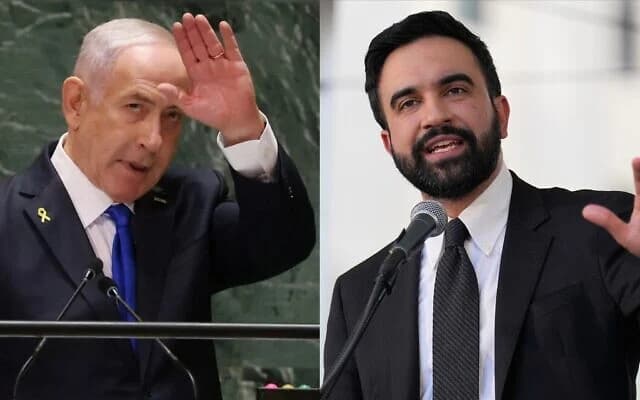
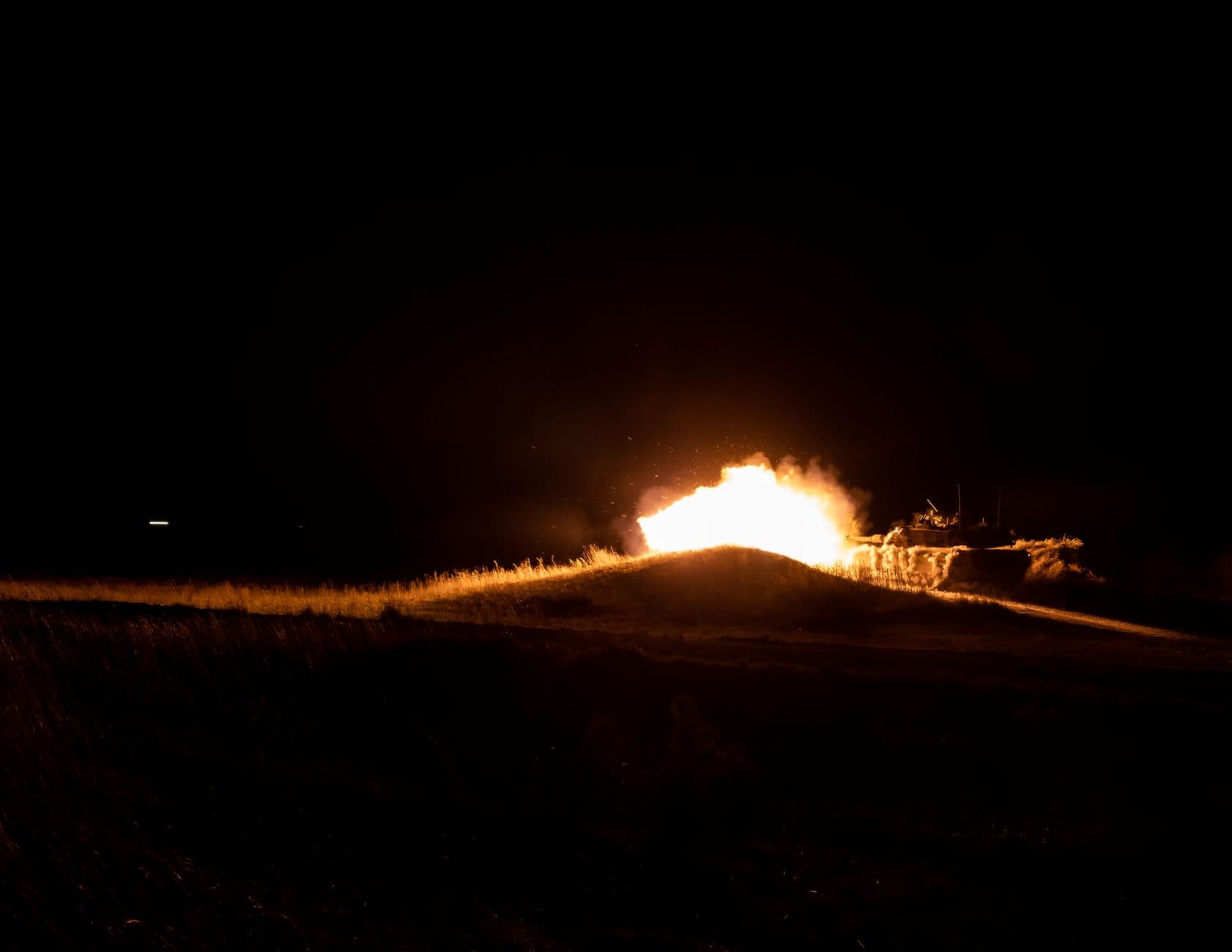
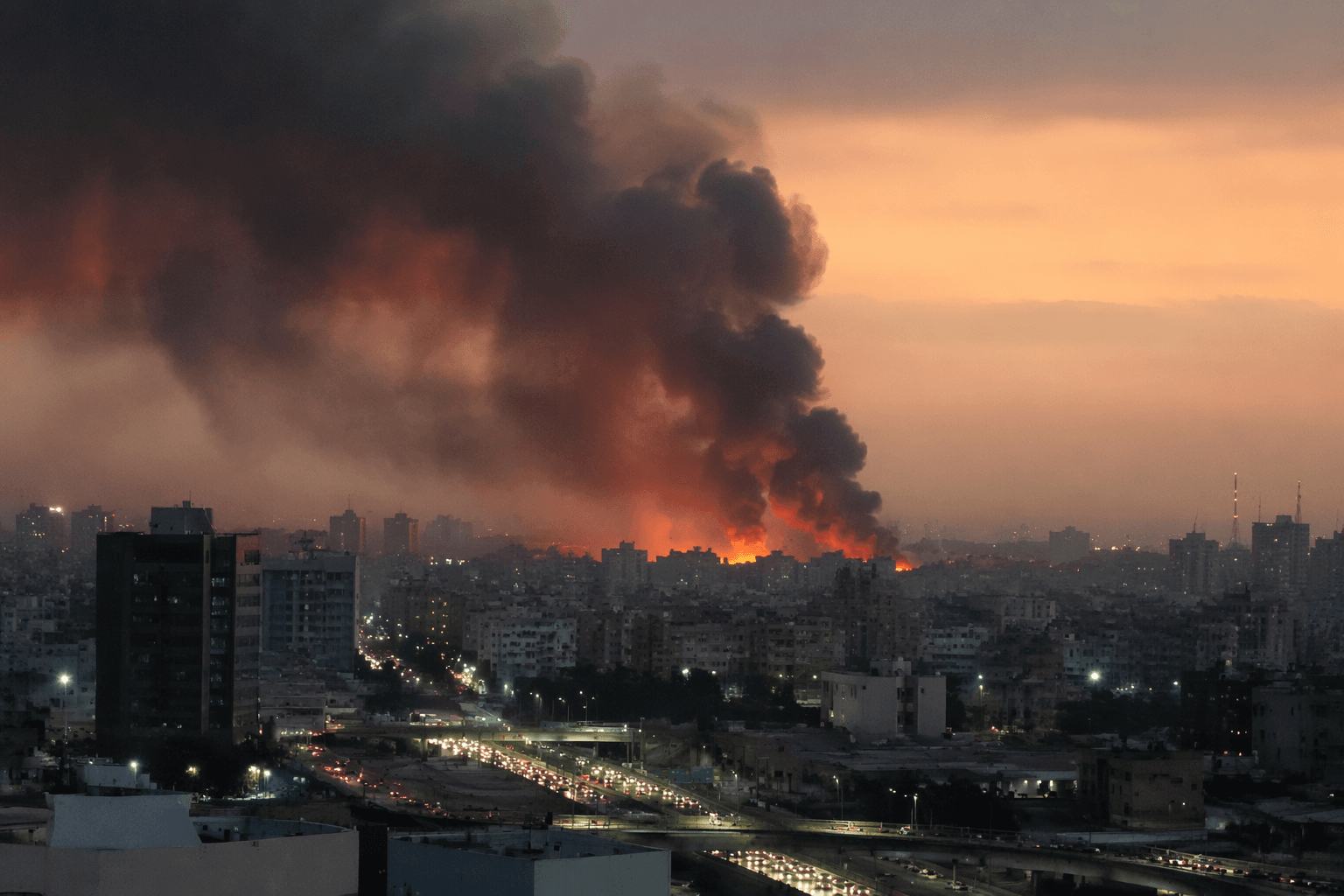
By July 8 to July 10, the pause had already broken. Donald Trump declared the initial cease-fire agreement “over” and said Iran was not honoring the deal. Esmaeil Baghaei, the Iranian Foreign Ministry spokesperson, accused Washington of driving the memorandum “into crisis,” while Pakistan, the mediator, urged all sides to uphold their commitments. U.S. Central Command said one retaliatory round hit 90 targets in Iran. The result was a truce whose unresolved triggers, especially over the Strait of Hormuz and the nuclear file, pulled the sides back into open conflict almost as soon as the ink was dry.
This article was produced by Prism’s automated news system from verified source data, official records, and press releases, then run through automated quality and moderation checks before publishing. The system is built and supervised by the people who set the standards it runs under. Read our full AI policy.
Did this article answer your question?