Valentine's Week 2026 Drives Threefold Sexual Wellness Sales on India's Quick Commerce
Swiggy Instamart reported three times as many orders for condoms, lubricants and intimacy products during Valentine’s Week 2026 versus 2025, while quick commerce gifting jumped about 48%.
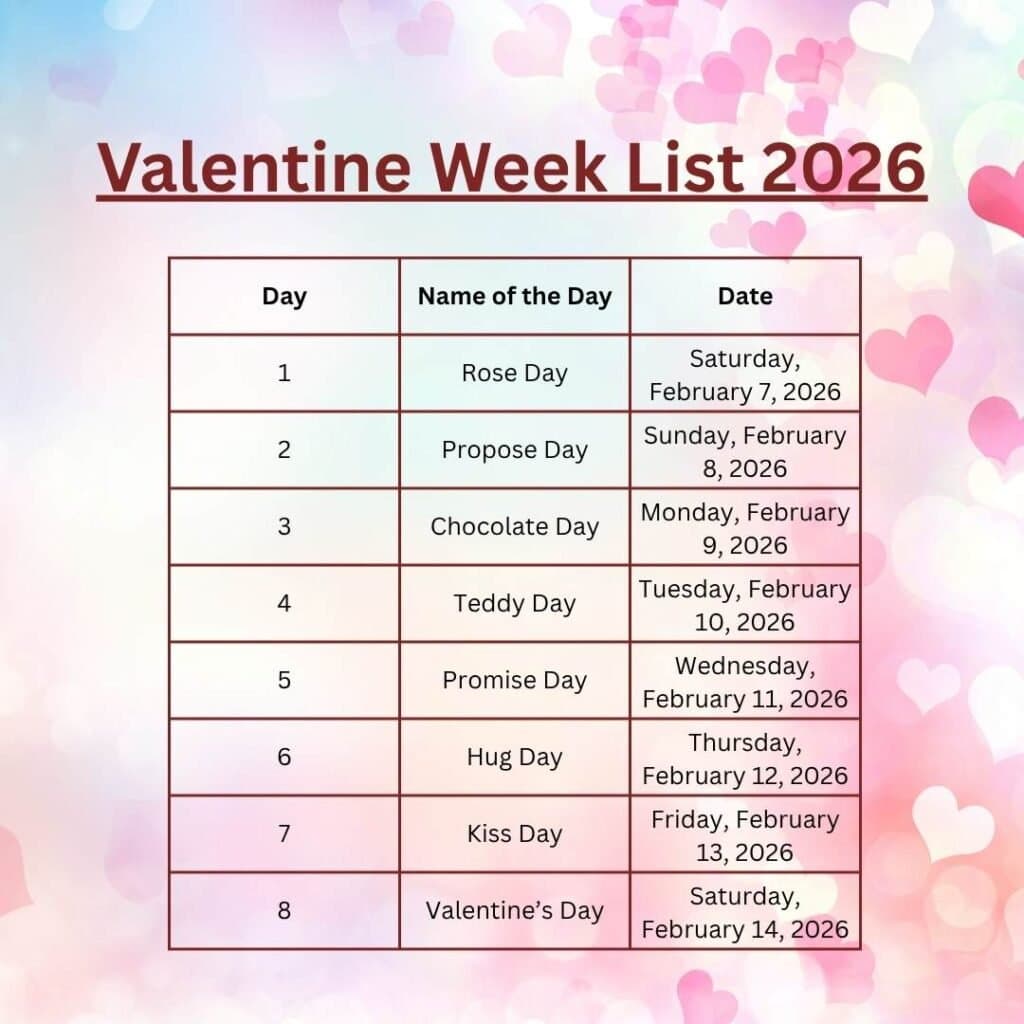
Swiggy Instamart recorded a threefold jump in orders for condoms, lubricants and intimacy products during Valentine’s Week 2026 compared with the same week in 2025, a shift the platform and industry posts described as part of broader openness around sexual wellness. The same reporting noted that overall quick commerce gifting rose roughly 48%, with chocolates and perfumes still leading the category mix.
The story spread rapidly across social and business outlets. A LinkedIn post headlined, “BREAKING: India sees 3x surge in sexual wellness orders on quick commerce platforms like Swiggy Instamart during Valentine's Week 2026 compared to last year!” amplified the claim and added that “Condoms, lubricants & intimacy products fly off digital shelves amid growing openness & 10-min discreet delivery.” Economic Times ran a parallel framing under the headline “Quick commerce fuels 40% surge in sexual wellness sales with discreet 10-minute delivery,” linking rapid, discreet logistics to new consumer behaviour.
Brands and executives provided concrete channel data that helps explain the spike. Joy Chatterjee, vice-president and head of sales and marketing for consumer division at Mankind Pharma, said, “We are seeing strong double-digit growth in premium segments such as lubricants and sexual wellness combos. A large part of this demand is being driven by quick commerce platforms, where consumers prefer the convenience, discretion and faster delivery experience.” Mankind additionally reported that “Nearly 55% of Mankind’s total online sales of sexual wellness products comes from quick commerce platforms as well.”

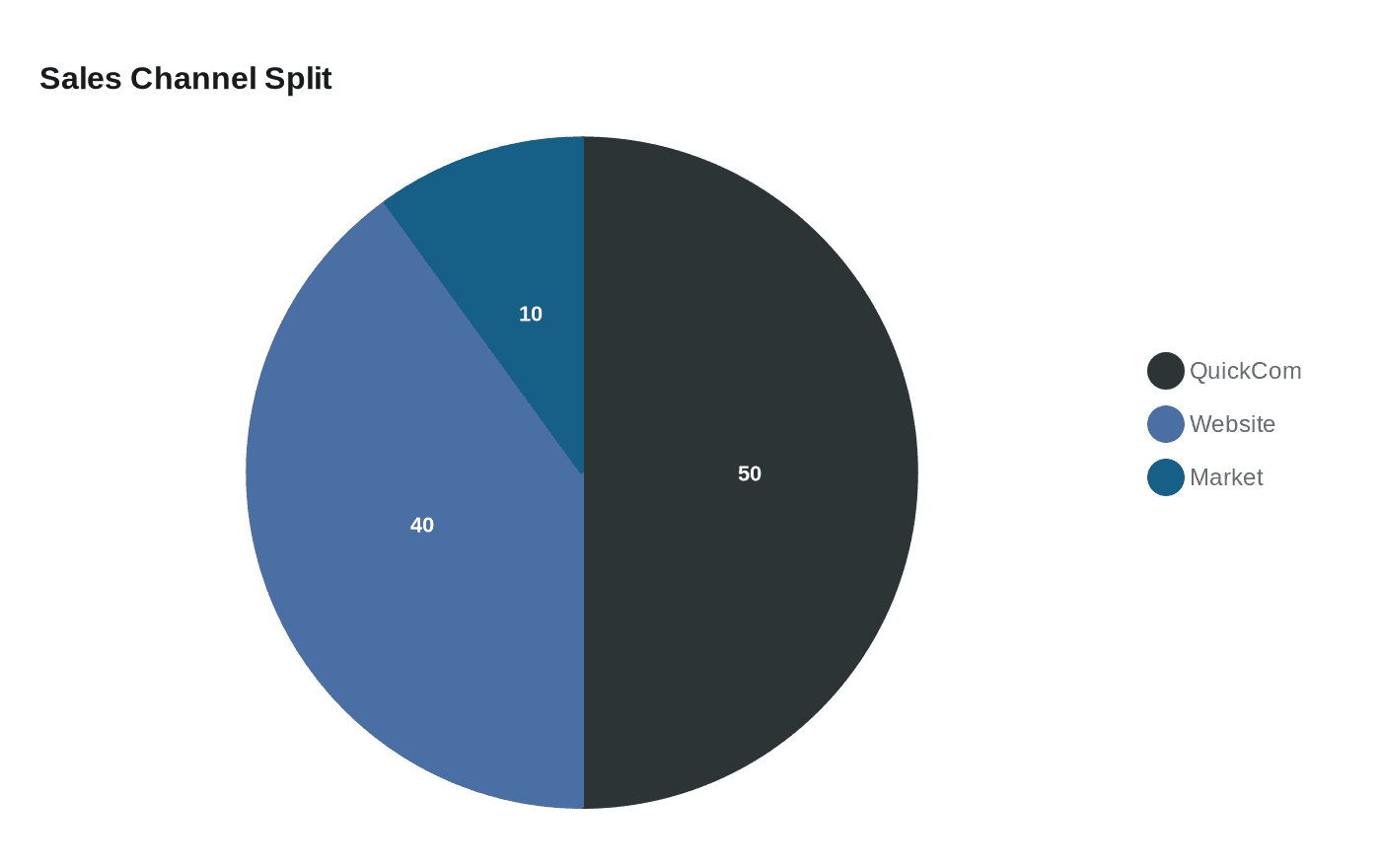
D2C and niche players reported similar patterns. ThatSassyThing said “50% of their sales come from quick commerce platforms, 40% from the brand website, and 10% from marketplaces,” and that “30% of their revenue comes from men buying products for their partners.” Shusshh founder Gaurav Chugh added that “40% of the customers are couples looking to enhance intimacy and strengthen their relationship, … Their repeat purchase patterns show that they enjoy experimenting together and value shared pleasure.”
Operational features and promotional programming appear to be amplifiers. LinkedIn posts and media excerpts reference deliveries in about 10-30 minutes and “10-min discreet delivery,” and note platform activations such as Zepto’s offline “Valentine’s Prom Night” and Flipkart Minutes’ “Relation Shop” section. NDTV captured the cultural moment with a single-order anecdote: “A customer in Cuttack spent Rs 15,093 on makeup in a single Valentine's order,” underscoring how Valentine’s Week buying has broadened beyond classic tokens.
Longer-term market context frames the Valentine’s Week spike as part of sustained growth. FinancialExpress reported a projection that “India's sexual wellness market is projected to reach $2.5 billion by 2033, driven by a 400% year-on-year growth in women-led purchases and a massive shift toward quick commerce platforms like Zepto and Blinkit.” MarketResearchFuture’s table lists a 2024 market size of 9.13 (USD Billion), a 2035 market size of 22.92 (USD Billion), and a CAGR (2025 - 2035) of 8.72%.
Taken together, platform-level surges, brand channel splits and market forecasts suggest Valentine’s Week 2026 was both a marketing peak and a signal: quick commerce logistics, discreet packaging and curated assortments are already reconfiguring how Indians buy sexual wellness products. The industry metrics from Instamart, Mankind Pharma, ThatSassyThing and market forecasters indicate the spike may be an early indicator of durable demand rather than a one-week anomaly.
Know something we missed? Have a correction or additional information?
Submit a Tip