Why DIY Valentine's Gifts Still Matter in 2026 and Easy Scalable Ideas
A short, thoughtful DIY still outshines a generic splurge — small, personalized projects signal time and care and scale from a 15‑minute note to a weekend artisan piece.
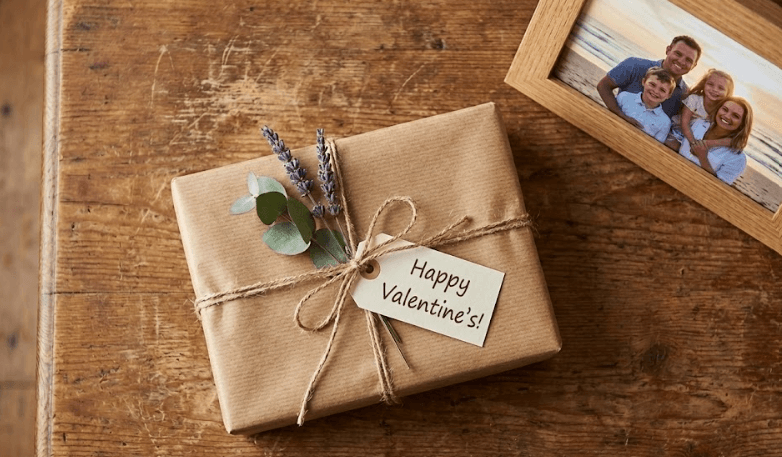
Why DIY still matters Even in a world stocked with ready-to-ship boxes and curated drops, a DIY gift communicates one thing a store purchase rarely does: time. A handmade card, a playlist with liner notes, or a little jar of something you made tells the recipient you paused your life to make theirs better. That signal — thoughtfulness measured in minutes, not price — is why editors still include DIY ideas in Valentine’s lists and why you should consider at least one small homemade element this year.
This primer is intentionally practical and adaptable so you or an editor can drop ideas into a gift guide, an instruction box, or a weekend project plan. The ideas that follow scale by time and skill, so you can pick something that fits your schedule and confidence level and still produce a gift that feels personal and valuable.
How to think about scale: time, skill, signal DIY gifts scale on three axes: time (how long it takes), skill (beginner to advanced), and signal (how personal or unique it feels). A 15‑minute handwritten love note can land just as hard socially as an expensive bracelet because the value is in the intent. Likewise, a half‑day project like a simple sewn pillow shows effort and yields something that’s both useful and displayable. Use the time you actually have — not the time you wish you had — and pick an idea that matches your comfort level.
15–30 minutes (low effort): quick, high-signal swaps These are for the person who wants maximum personal payoff with minimal prep. Each idea can be completed in a coffee break and wrapped in under a dollar of materials, yet reads as deliberate.
- Handwritten love note or “open when” envelopes — Who it’s for: the partner who keeps things sentimental. Cost: $0–$5 for a quality card or stationery. Why it works: handwriting shapes tone and carries memory; tuck it into a book, a wallet, or a jacket pocket for a small, repeatable thrill.
- Personalized playlist with liner notes — Who it’s for: music lovers and commuters. Cost: free; optional printed sleeve $3–$8. Why it works: pairing songs with short notes (“this one for the rain on our first date”) makes something ephemeral feel curated and permanent when printed.
- Coupon book for favors — Who it’s for: busy couples or friends who appreciate practical help. Cost: $0–$5 to print and bind. Why it works: it extends the gift beyond one day and turns promises into something you’ll both look forward to redeeming.
- Framed Polaroid or printed photo — Who it’s for: long‑distance partners or new parents. Cost: $10–$25 for a frame; Polaroid film varies but expect $15–$20 per pack. Why it works: a single, well‑chosen image is instantly intimate and displayable.
1–3 hours (moderate effort): projects that feel crafted If you can spare an afternoon, you can make a gift that looks like it cost more than it did because of the labor and design.
- DIY candle with a scent you picked — Who it’s for: apartment dwellers or scent‑sensitive partners. Cost: $20–$45 for a beginner candle kit (wax, wick, basic scents). Why it works: you control fragrance and vessel — pick something that matches their decor for a memorable, usable gift.
- Hand‑stitched fabric gift (pillow, simple pouch) — Who it’s for: someone who appreciates textiles and handmade texture. Cost: $10–$40 for fabric and thread; a cheap sewing kit or community center hour may add a few dollars. Why it works: a sewn item shows literal handiwork and lasts; pick colors that nod to their favorite sweater or couch.
- Baked goods in a pretty jar (cookies, granola) — Who it’s for: foodies and office coworkers. Cost: $5–$20 depending on ingredients and packaging. Why it works: home-baked treats are sensory and shareable; use a glass jar with a handwritten label to make it look boutique.
Half‑day to weekend (advanced, displayable) When you can give a chunk of a day, the result is a keepsake with both story and utility.
- Simple pottery session (hand‑built bowl) — Who it’s for: the partner who likes objects with history. Cost: $35–$90 for a community studio drop‑in or a beginner hand‑building kit if you’re doing it at home. Why it works: clay items are imperfect and personal, and the process becomes part of the gift story.
- Embroidery hoop portrait or meaningful quote — Who it’s for: someone who values craft and decor. Cost: $20–$50 for a starter kit with hoop, fabric, threads. Why it works: embroidery reads as intimate and decorative; pick a short phrase or small icon to keep the project achievable.
- Photo book assembled and printed — Who it’s for: couples celebrating milestones or friends with shared trips. Cost: $25–$80 depending on page count and finish. Why it works: a tightly edited photo book is an heirloom that’s easy to store and revisit.
Materials that elevate low-effort DIYs (and how much they cost) Small investments make a humble DIY look polished. These are my go‑to items when I want a project to read as a gift, not a craft project.
- Heavyweight cardstock or a printed sleeve — $3–$8 per pack; makes notes and playlists feel permanent.
- A simple matte frame — $10–$25; frames transform a photograph into décor.
- Quality twine or ribbon and a wax seal kit — $8–$25; packaging sells the moment.
- A neutral glass jar or amber apothecary jar — $4–$12; good for edible gifts and bath salts.
How to present a DIY so it looks intentional Presentation is the final step that turns a homemade object into a proper Valentine’s gift. Wrap with a restrained palette (one or two colors), include a short note explaining why you made it, and show how it should be used or stored. Small printed labels or a clear fabric pouch elevates even the simplest things.
If you’re short on time, delegate the finishing touch: buy a nice box or a simple frame rather than redoing the craft. That small extra purchase often makes the difference between “cute homemade” and “thoughtful keepsake” — and you’ll still have spent far less than a typical mid‑range store purchase.
When to skip DIY (and what to do instead) DIY isn’t always the right choice: if you’re short on time and stressed, a rushed handmade gift can read as careless. If you know a partner prefers luxury goods, combine a small DIY element (a handwritten note, a playlist) with a single purchased item. That hybrid approach preserves the personal signal without forcing you into a project you don’t have time for.
Final point DIY gifts matter because they convert minutes into meaning. Whether you write a note in 15 minutes or spend a weekend shaping clay, a handmade element signals presence in a way a price tag cannot. Pick a project that matches your schedule, invest a few thoughtful materials, and present it with care — that combination is what will make this Valentine’s feel genuinely yours.
Know something we missed? Have a correction or additional information?
Submit a Tip