Vance arrives in Switzerland for Iran nuclear and Lebanon talks
Vance landed in Switzerland as a 60-day diplomatic sprint began, with Lebanon’s fighting threatening Iran nuclear talks and the Strait of Hormuz.
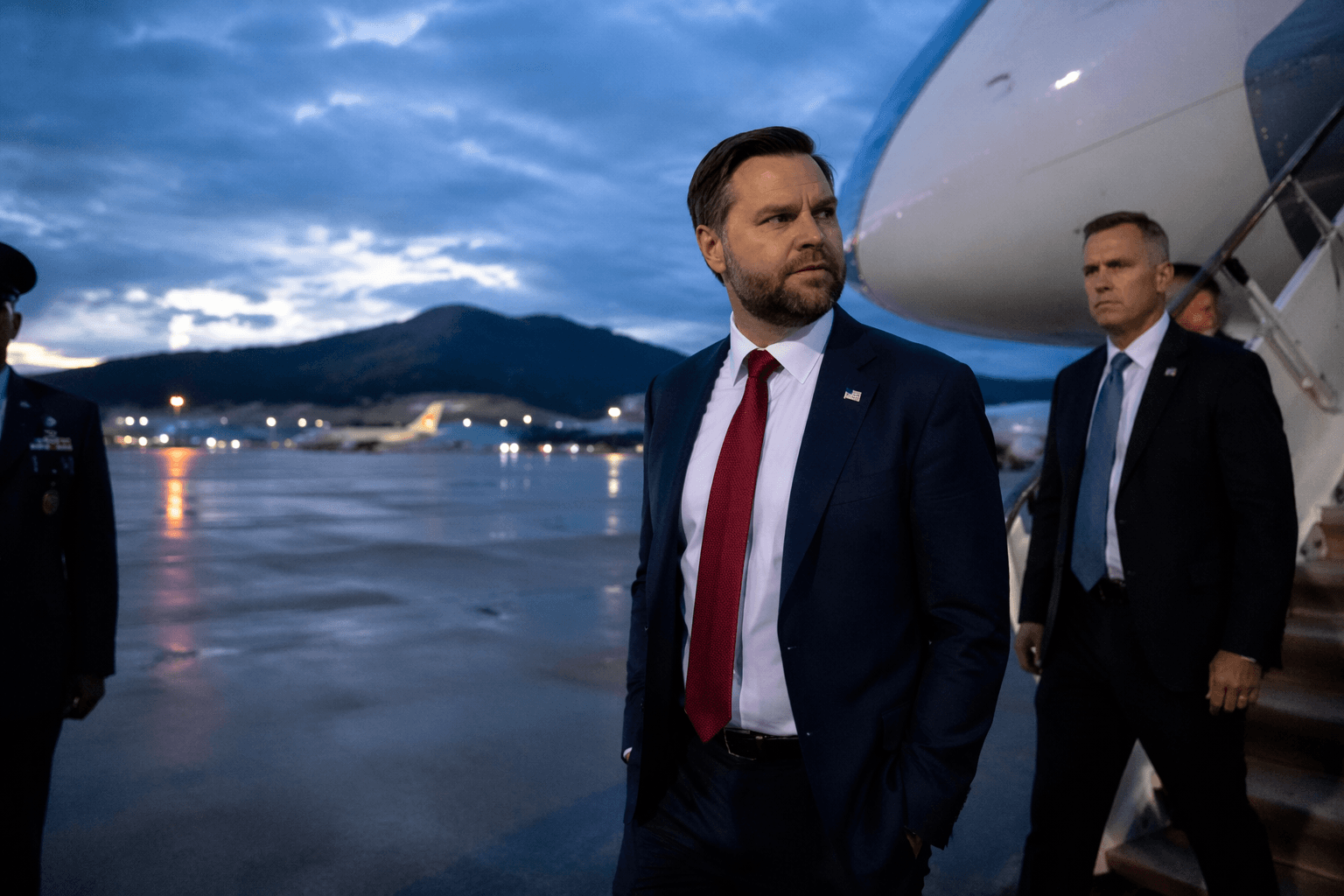
Vice President JD Vance arrived in Switzerland on June 21 for talks with Iranian negotiators at the Bürgenstock resort, opening a high-stakes test of whether Washington can keep diplomacy alive while the Lebanon war threatens to pull the region wider. Success would bolster U.S. leverage with Tehran and help keep commercial passage through the Strait of Hormuz open; failure could push the nuclear dispute and the fighting in Lebanon closer together.
The meeting had already been knocked off course once. Switzerland said the U.S.-Iran session would not take place on June 19, then both sides moved back toward the table for June 21. The framework for the deal was signed last week, and negotiators are now racing through a 60-day window to settle the technical details. Before leaving for Europe, Vance said he wanted progress on both the nuclear issue and the Lebanon ceasefire issue.
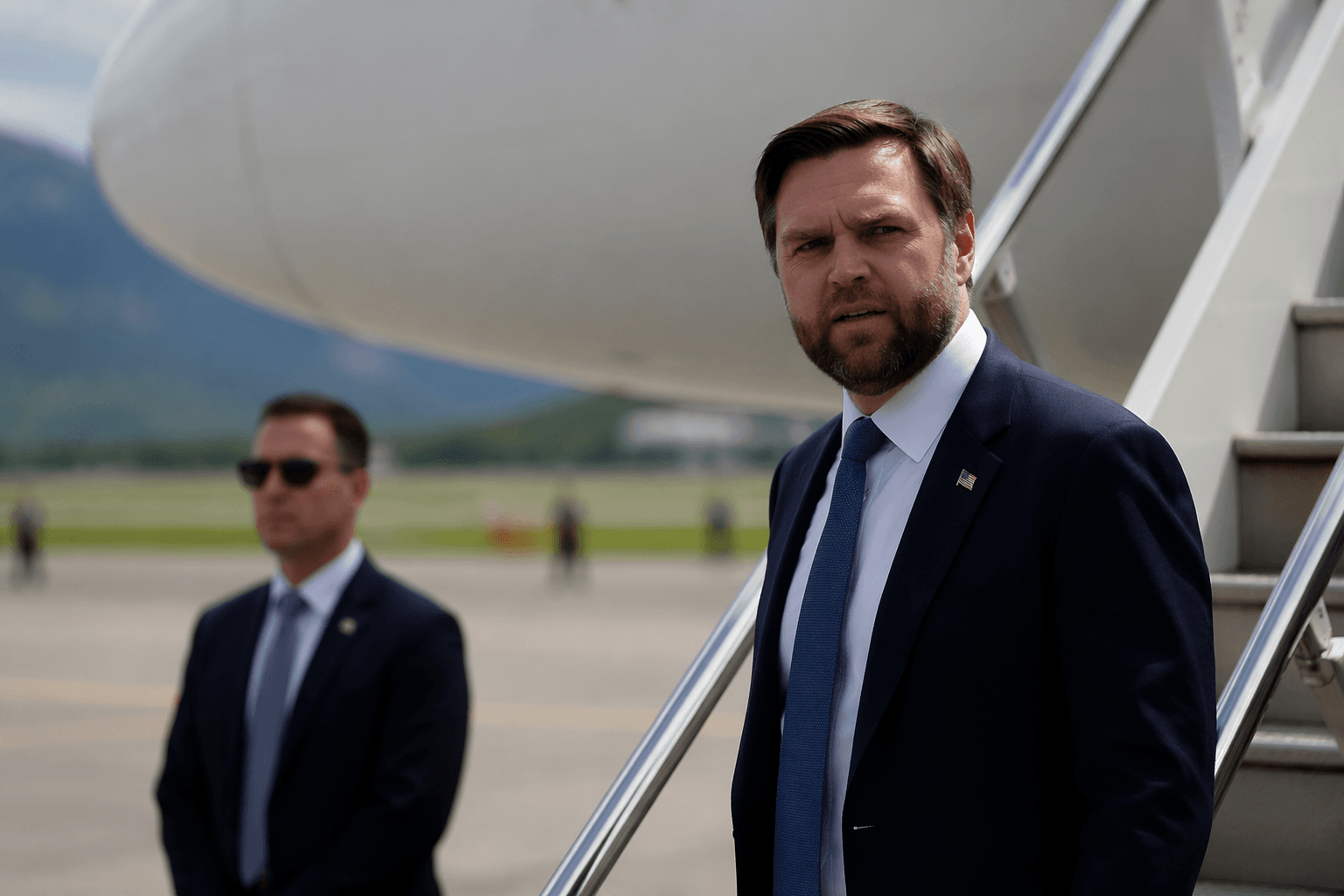
The talks are being shaped by a fragile ceasefire extension of at least 60 days and a 14-point accord that left Israel out of the negotiations even as fighting against Hezbollah continued in Lebanon. Pakistan and Qatar have served as intermediaries, and Pakistan said it was sending a delegation. Swiss authorities said they remained ready to facilitate the discussions at Bürgenstock.
U.S. officials have said the agenda includes implementing the memorandum of understanding, with technical questions tied to Tehran’s nuclear program and commercial passage through the Strait of Hormuz. That makes the talks more than a symbolic reset. The outcome could determine whether the interim process keeps moving or stalls under pressure from battlefield developments in Lebanon, where the conflict has already killed at least 7,000 people, driven up energy prices and shaken global markets.
The economic terms under discussion are substantial. The interim deal reportedly includes sanctions relief, unfreezing assets worth tens of billions of dollars and immediate U.S. waivers for Iran’s oil exports. Iranian officials have said they want proof that Washington is carrying out the interim arrangement before they move ahead, a sign of deep mistrust after years of breakdowns. Ayatollah Mojtaba Khamenei said Donald Trump signed the deal “out of desperation.”
That mix of military pressure, financial relief and narrow technical bargaining gives the Switzerland talks unusual weight. At Bürgenstock, the question is whether the parties can convert a signed framework into a workable agreement before the Lebanon front overtakes the diplomacy.
This article was produced by Prism’s automated news system from verified source data, official records, and press releases, then run through automated quality and moderation checks before publishing. The system is built and supervised by the people who set the standards it runs under. Read our full AI policy.
Know something we missed? Have a correction or additional information?
Submit a Tip