Vance-led U.S.-Iran talks end without deal after 20-hour marathon
After 20 hours in Islamabad, JD Vance left without a nuclear deal as U.S. warships crossed Hormuz. The talks and the transit sharpened pressure on oil and shipping.

JD Vance left Islamabad without a deal after a 20-hour negotiating session with Iran, a deadlock that unfolded as U.S. warships moved through the Strait of Hormuz and raised the stakes around one of the world’s most sensitive energy chokepoints.
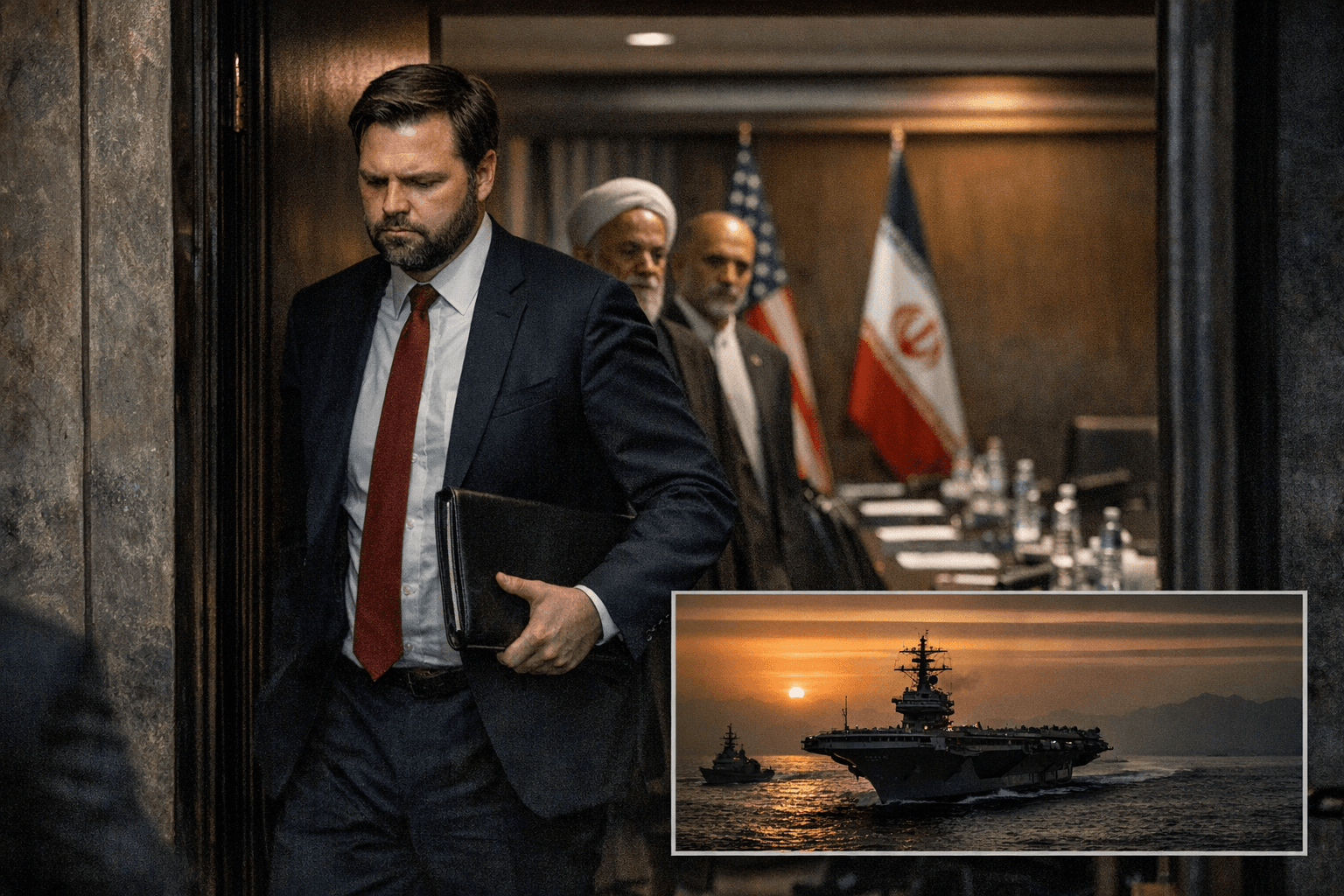
Vance, joined by senior envoy Steve Witkoff and Jared Kushner, said, “we have not reached an agreement” after the marathon talks. The meeting was the first direct U.S.-Iran engagement in more than a decade and the highest-level contact since the 1979 Islamic Revolution. The central obstacle remained nuclear: Vance said Iran would not commit to not developing a nuclear weapon, which Washington treated as a core demand for any deal. Iranian media described the U.S. position as excessive, and the talks ended with the two sides still far apart.
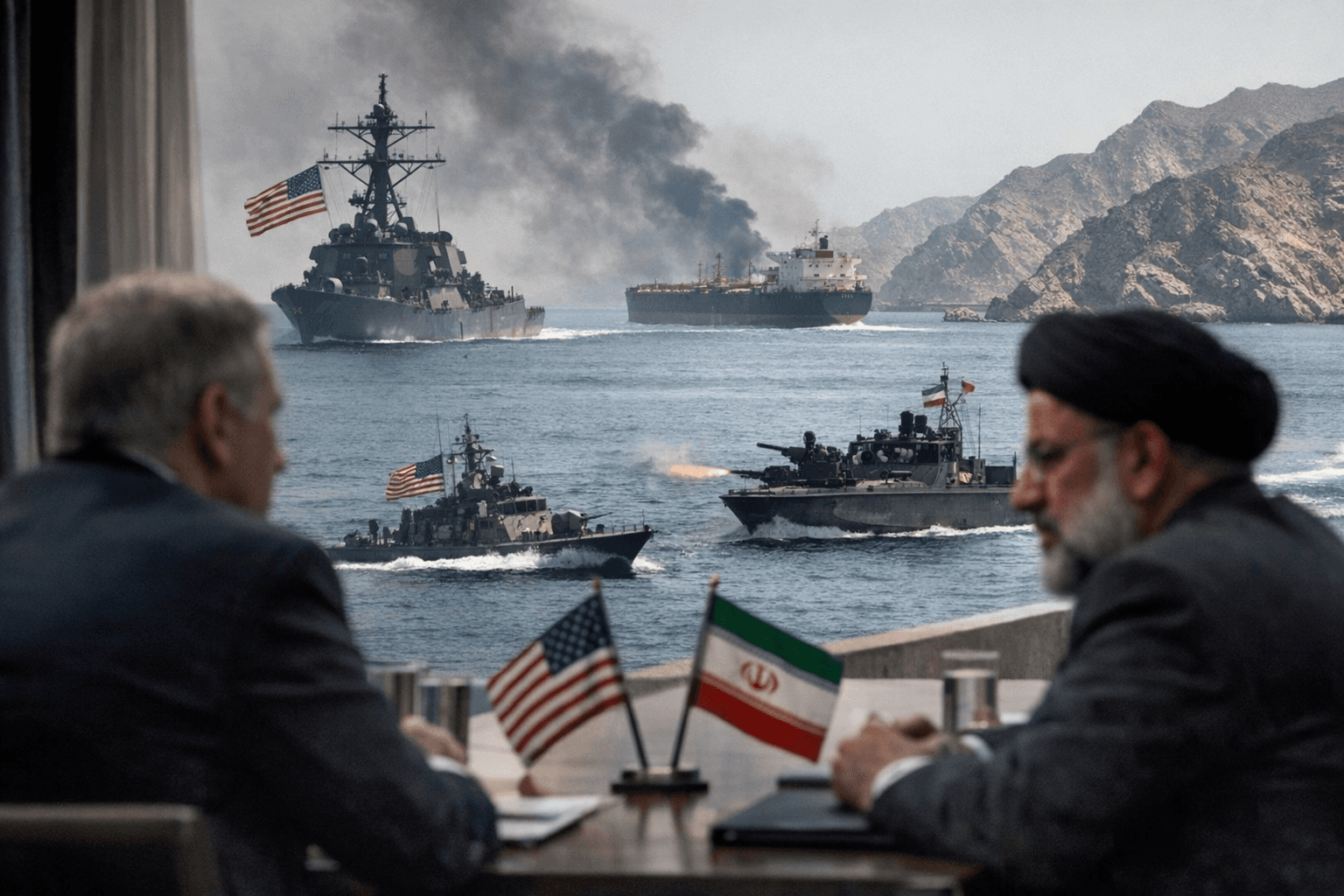
The naval backdrop gave the diplomacy a sharper edge. The Strait of Hormuz carries about 20% of global energy supplies, making it a critical corridor for oil tankers and a fast-moving barometer for market anxiety. The U.S. military said two warships sailed through the strait as part of a plan to begin removing mines from the vital waterway. USNI News identified the ships as the USS Frank E. Petersen Jr. and the USS Michael Monsoor, the first American warships to transit the strait since the conflict began. In energy markets, that kind of movement matters immediately because threats to Hormuz can drive up oil prices and shipping insurance costs before a shot is even fired.
The broader conflict dates to Feb. 28, 2026, according to Federal Reserve Bank of Dallas research, and has already included attacks on oil infrastructure in Saudi Arabia, Kuwait and the United Arab Emirates. That history explains why the talks in Pakistan mattered far beyond the room itself. If diplomacy stalls while military patrols intensify, both sides may gain leverage, but the margin for error narrows around a waterway that sits at the center of global trade and regional security.
Sources:
Know something we missed? Have a correction or additional information?
Submit a Tip