Vance says Netanyahu gets some things wrong on Iran, backs U.S. first
JD Vance said Netanyahu has "certainly gotten some things wrong" on Iran, a rare public sign Washington is bristling as Trump puts U.S. interests first.
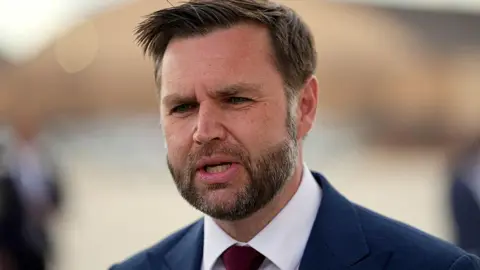
JD Vance put a public edge on the widening split between Washington and Jerusalem, saying Benjamin Netanyahu has “certainly gotten some things wrong” in dealings with the United States over Iran. The vice president said American and Israeli interests are sometimes aligned and sometimes not, and that when they diverge, President Donald Trump will side with the American people.
Vance declined to spell out specific mistakes, saying those conversations were better left private. But the message was unmistakable: the Trump administration does not see Israel’s war aims as automatically matching U.S. strategy, even as Vance described Israel as a very close partner and Netanyahu as a “good partner.”

The comments landed at a tense moment in the Iran war and the fighting around Lebanon. Trump has already clashed with Netanyahu over Israeli military action in Lebanon, including a reported decision to halt planned Israeli strikes on Beirut after Iran threatened to abandon negotiations with Washington over Israel’s actions. AP also reported that Trump acknowledged calling Netanyahu “crazy” in a phone call, upset that the fighting with Hezbollah was complicating talks with Iran.
That friction matters because Washington is still trying to manage several crises at once. The U.S. State Department said it convened a fourth high-level trilateral meeting between Israeli and Lebanese representatives on June 2 and 3, and said Israel and Lebanon agreed to implement a ceasefire tied to a complete stop in Hizbollah fire and the evacuation of Hizbollah operatives from the South Litani sector. The department also said it would facilitate two days of intensive Israel-Lebanon talks on May 14 and 15.
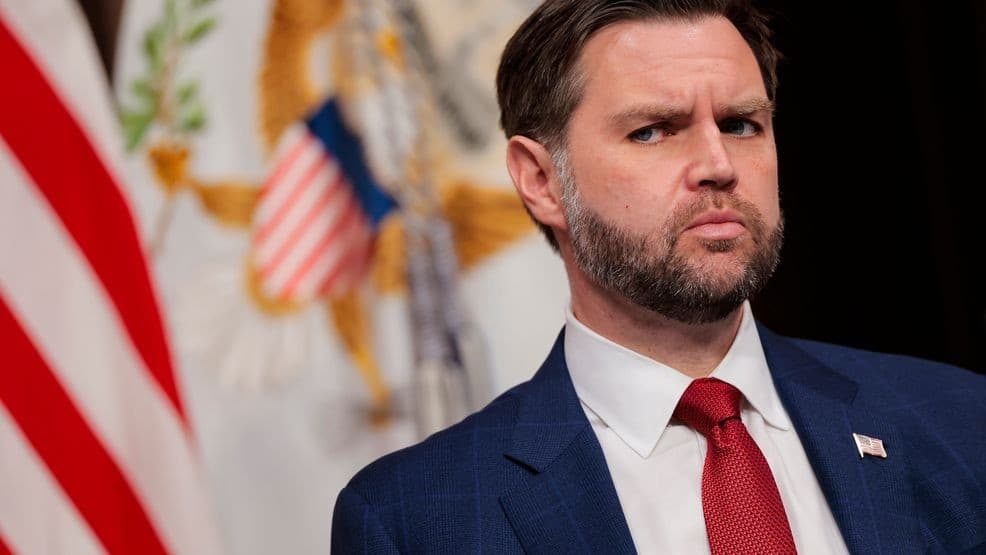
Even with the rhetoric growing sharper, the structural ties remain deep. The State Department says Israel is a U.S. Major Non-NATO Ally, bound by a 2019-2028 memorandum of understanding, and that the United States provides Israel with $3.3 billion in Foreign Military Financing each year, plus $500 million for cooperative missile-defense programs. That makes Vance’s remarks less a break in the alliance than a signal that the White House wants more room to define U.S. interests on its own terms.

The public warning also fits a familiar Washington pattern. U.S. leaders have rebuked Israeli governments before when they wanted to signal displeasure without severing ties, and Vance’s criticism appears aimed at the same balance: show pressure, preserve leverage, and make clear that support for Israel does not erase American priorities.
This article was produced by Prism’s automated news system from verified source data, official records, and press releases, then run through automated quality and moderation checks before publishing. The system is built and supervised by the people who set the standards it runs under. Read our full AI policy.
Did this article answer your question?