Vance says U.S. and Israel are not always in sync on Iran war
Vance said U.S. and Israeli interests can diverge on Iran, signaling a rare public split as Trump balances Netanyahu, strikes and wider war aims.
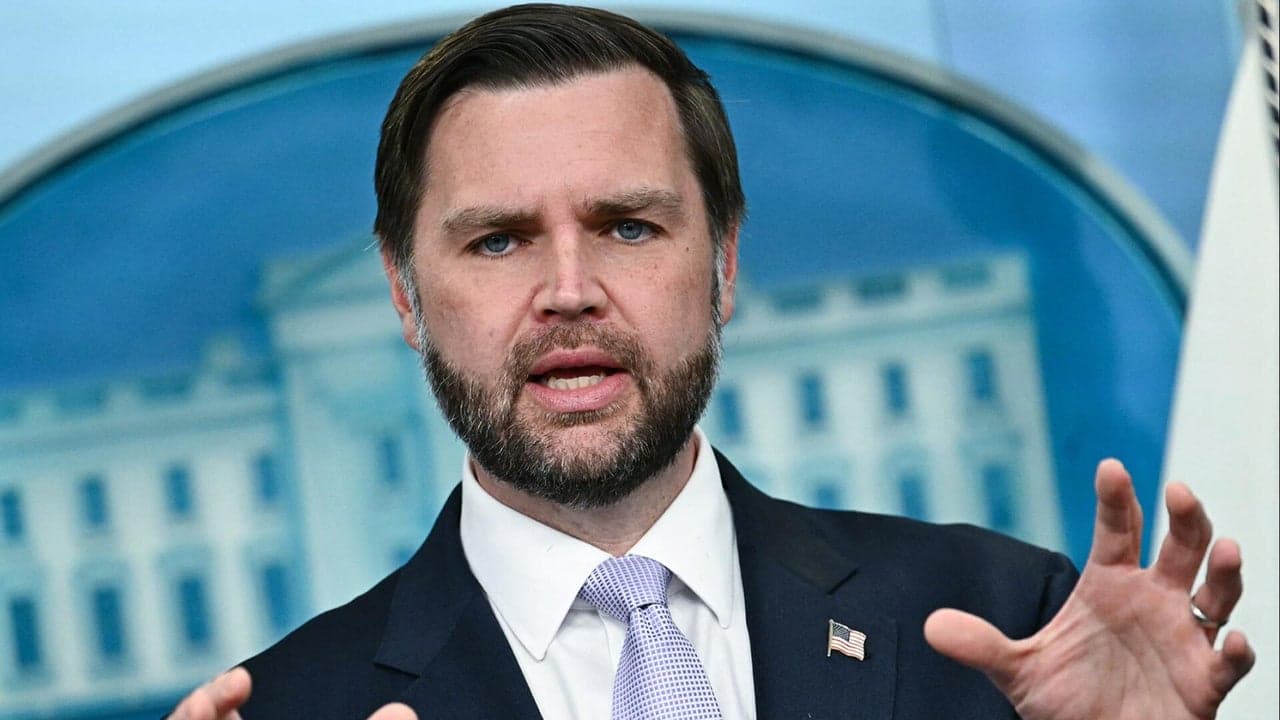
JD Vance sharpened the Trump administration’s message on Israel’s war with Iran, saying the two allies were “not always in sync” and that Washington would side with “the American people” when their interests diverged. In remarks aired by CBS News on June 10, the vice president said Prime Minister Benjamin Netanyahu had “certainly gotten some things wrong,” while declining to spell out the disagreements because those talks were “better left in private.”
Vance’s comments followed a similar warning on Fox News a day earlier, when he said the United States and Israel had shared interests but also “some situations where our interests diverge.” He said the central American objective was to make sure Iran did not get a nuclear weapon. Al-Monitor said the public acknowledgment marked the first time a top Trump administration official had plainly said Washington and Jerusalem did not share the same end goal in Iran.

The split has become visible in the war’s most sensitive moments. On March 27, reports said Vance confronted Netanyahu in a phone call over what he saw as overly optimistic claims that a U.S.-Israeli bombing campaign could bring down Iran’s government. U.S. officials said Netanyahu had sold the war effort as easier than it was. In June, Trump also reportedly warned Netanyahu not to escalate after Israeli strikes on Beirut triggered Iranian retaliation, underscoring friction over how far Israel should push the conflict.
The policy divide has also carried political weight at home. AP polling cited in May found about 8 in 10 Republicans believed the war with Iran would make the world safer, even as the conflict remained unpopular with Americans overall. That tension matters for Trump, who has framed his foreign policy as the “Trump Doctrine”: identify a clear U.S. interest, try diplomacy first, then use overwhelming force if needed and leave quickly. White House spokeswoman Anna Kelly said Trump and Vance shared a “peace through strength” vision.
Recent decisions suggest the administration has not always moved in lockstep with Israel on the battlefield, either. Al-Monitor reported that Trump rejected an Israeli intelligence-backed plan to arm Kurdish fighters in Iraq to help overthrow Iran’s government, and that Israeli strikes on Iranian oil facilities frustrated U.S. military planners who wanted to preserve that infrastructure for a postwar Iran. A separate Reuters-based report said U.S. forces helped intercept Iranian missiles during a later attack on Israel, showing the alliance remained operational even as its political limits became harder to ignore.
This article was produced by Prism’s automated news system from verified source data, official records, and press releases, then run through automated quality and moderation checks before publishing. The system is built and supervised by the people who set the standards it runs under. Read our full AI policy.
Know something we missed? Have a correction or additional information?
Submit a Tip