Vanessa Trump begins second stage of breast cancer treatment
Vanessa Trump said she is starting the next phase of breast cancer treatment after four weeks of surgery recovery. Her update lands as U.S. rates rise among women under 50.

Vanessa Trump said she is moving into the second stage of breast cancer treatment after spending the past four weeks recovering from surgery, a reminder that cancer care often continues long after an operation. In a social media update posted Saturday, June 13, she said she was “grateful to be healing and moving forward” and said the next phase of treatment would begin soon.
Trump first disclosed her breast cancer diagnosis on May 20, saying at the time that she had undergone a procedure and was working with her doctors on a treatment plan. The details of that surgery, and the exact treatment she is about to begin, have not been publicly disclosed. That lack of specificity is common in cancer disclosures, especially when patients are still navigating what comes next and how much of their medical information they want to share.
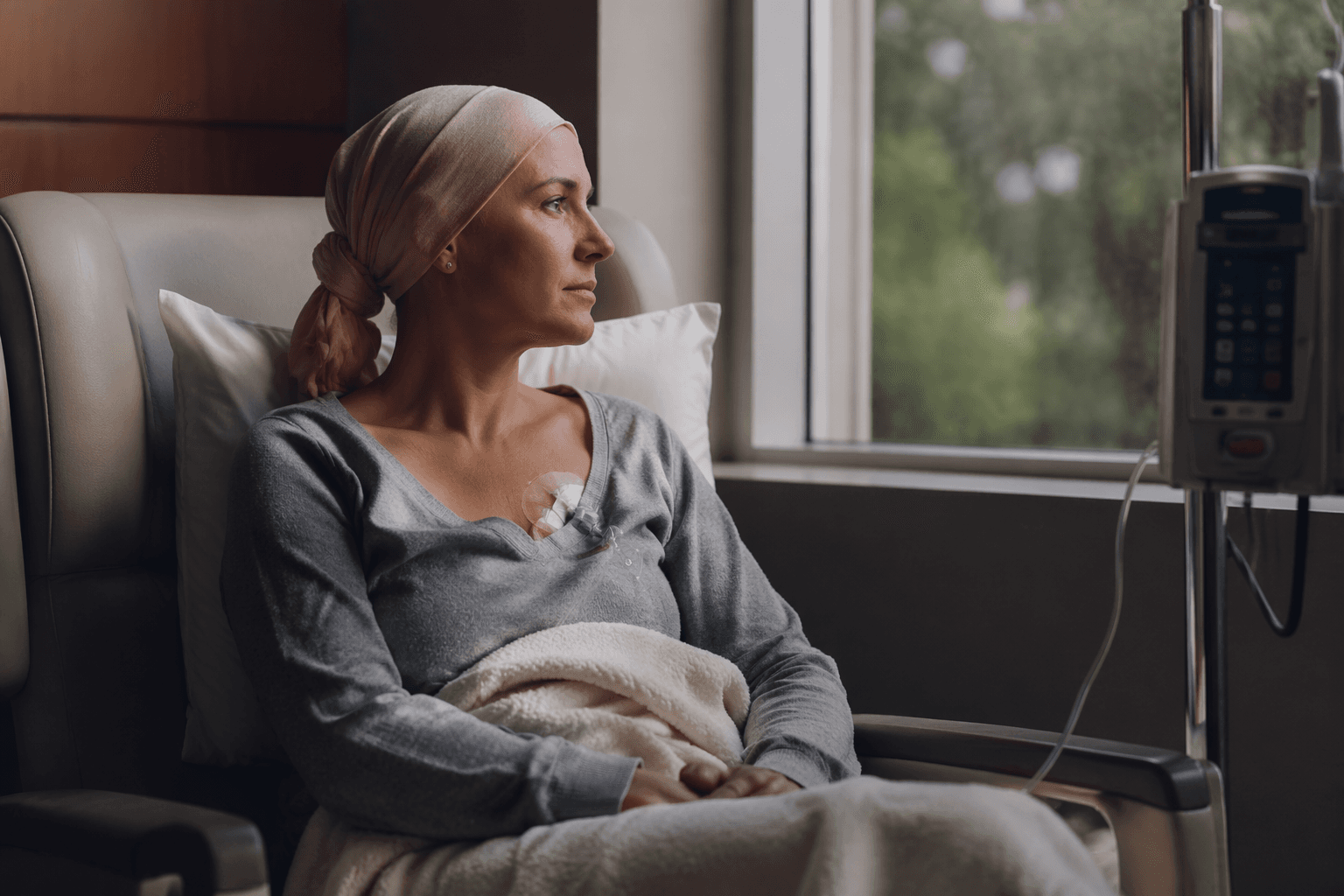
For many breast cancer patients, the second stage of treatment means care that follows surgery and is designed to lower the risk of recurrence. Depending on the diagnosis, that can include radiation, medication, or other therapies chosen by an oncology team after pathology results are reviewed. The process often stretches for months because doctors may need time to assess healing, tailor treatment, and monitor side effects, while patients balance appointments, recovery, and the uncertainty that comes with a new diagnosis.
Trump’s update also comes against a broader public-health backdrop. Breast cancer rates in the United States are rising among women under 50, intensifying concern about early detection, access to care, and how younger patients move through treatment while managing work, family, and finances. Trump, the former wife of Donald Trump Jr. and the mother of five children with him, has also described support from family and loved ones during her recovery, underscoring how much cancer treatment reaches beyond medicine alone.
This article was produced by Prism’s automated news system from verified source data, official records, and press releases, then run through automated quality and moderation checks before publishing. The system is built and supervised by the people who set the standards it runs under. Read our full AI policy.
Did this article answer your question?