Venezuela earthquakes kill over 900, rescuers race to find survivors
Twin quakes left 920 dead in northern Venezuela, with 172 still trapped and crews racing into La Guaira and Caracas as international help arrived.

Rescuers dug through collapsed neighborhoods in northern Venezuela as the death toll from twin earthquakes climbed to 920, with 3,360 people injured and 172 still trapped. The back-to-back quakes hit around 6 p.m. local time on June 24 and tore through Caracas and the coastal state of La Guaira, where acting president Delcy Rodríguez said the damage appeared worst.
Search crews kept working in Macuto, on La Guaira’s shoreline, while international rescue teams began arriving to support the operation. A website listed more than 50,000 people as missing, underscoring how quickly the disaster overwhelmed local communications and made it harder to account for families scattered across the capital and the northern coast.
The earthquakes landed on a country already stretched by a thin humanitarian base. The World Health Organization lists Venezuela’s population at 28,300,854 in 2023, and its 2026 humanitarian response plan targets 5.2 million people, a measure of how many residents already needed aid before the quakes hit. United Nations officials said nearly seven million Venezuelans could be affected, a sign that the emergency was pressing into a health system and aid network already carrying heavy demand.
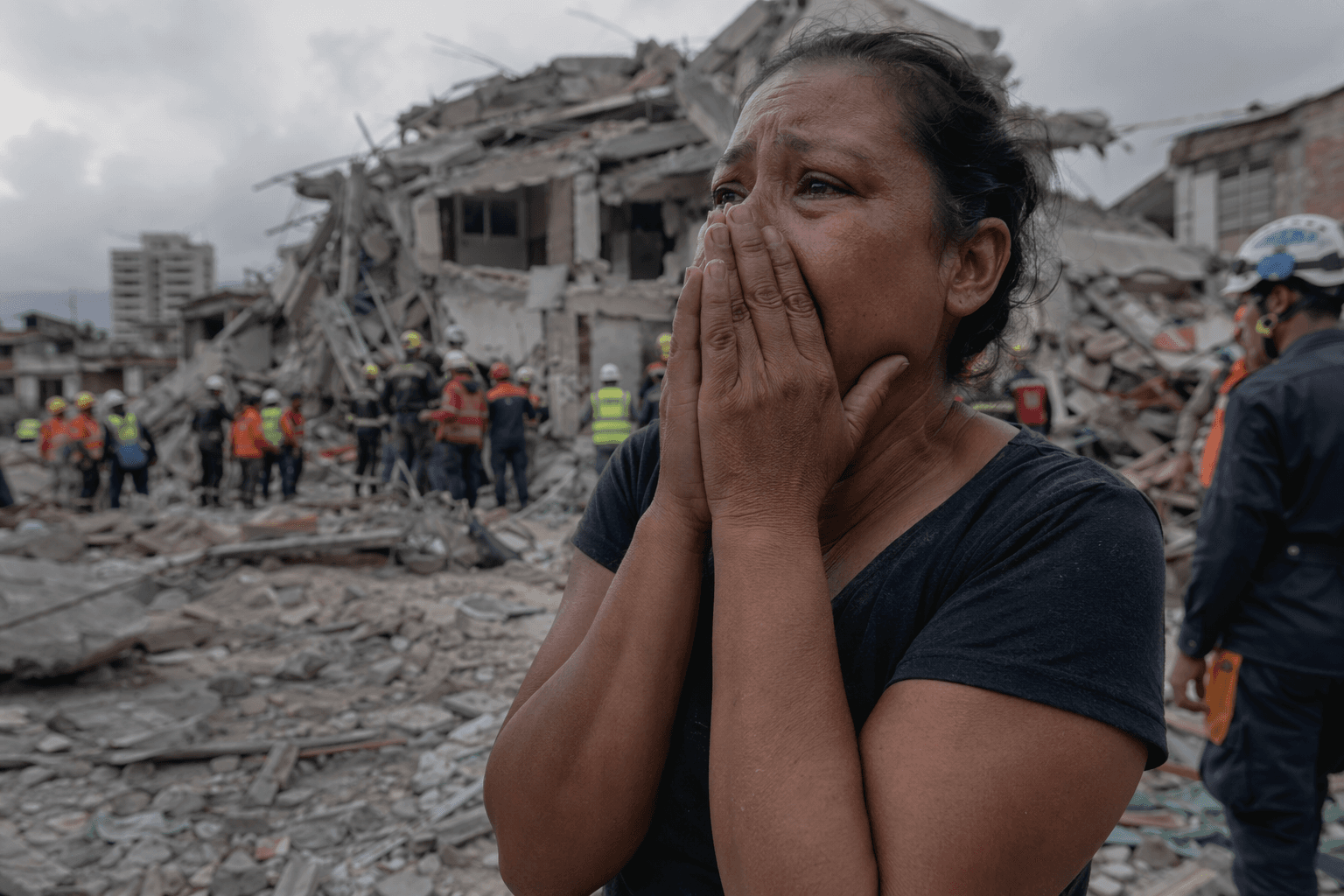
OCHA’s situation reports said the disaster seriously affected Caracas and continued to track search-and-rescue operations and humanitarian needs as the toll rose. U.S. Geological Survey modeling cited by CBS News suggested the death toll could have reached into the thousands, including a 42% chance of at least 10,000 fatalities. Those figures were projections, not confirmed counts, but they reflected the severity of the shaking and the vulnerability of the buildings and infrastructure in its path.
Rodríguez visited Macuto as crews searched for survivors and authorities pressed to move aid into the hardest-hit areas. With roads, communications and health services under strain, the immediate task was no longer only to pull people from the rubble but to keep the emergency response working long enough to reach those still trapped and those still unaccounted for.
This article was produced by Prism’s automated news system from verified source data, official records, and press releases, then run through automated quality and moderation checks before publishing. The system is built and supervised by the people who set the standards it runs under. Read our full AI policy.
Know something we missed? Have a correction or additional information?
Submit a Tip