Venezuela earthquakes knock out power at hospitals in La Guaira
Power failed at two La Guaira hospitals after twin 7.2 and 7.5 earthquakes, deepening a crisis where patients were already treated without water and light.

The earthquakes knocked out power at two of La Guaira’s three public hospitals, leaving doctors in one of Venezuela’s hardest-hit coastal states struggling to keep patients stable as the damage spread through an already fragile health system. The twin quakes struck on June 24, measuring 7.2 and 7.5 and hitting less than a minute apart.
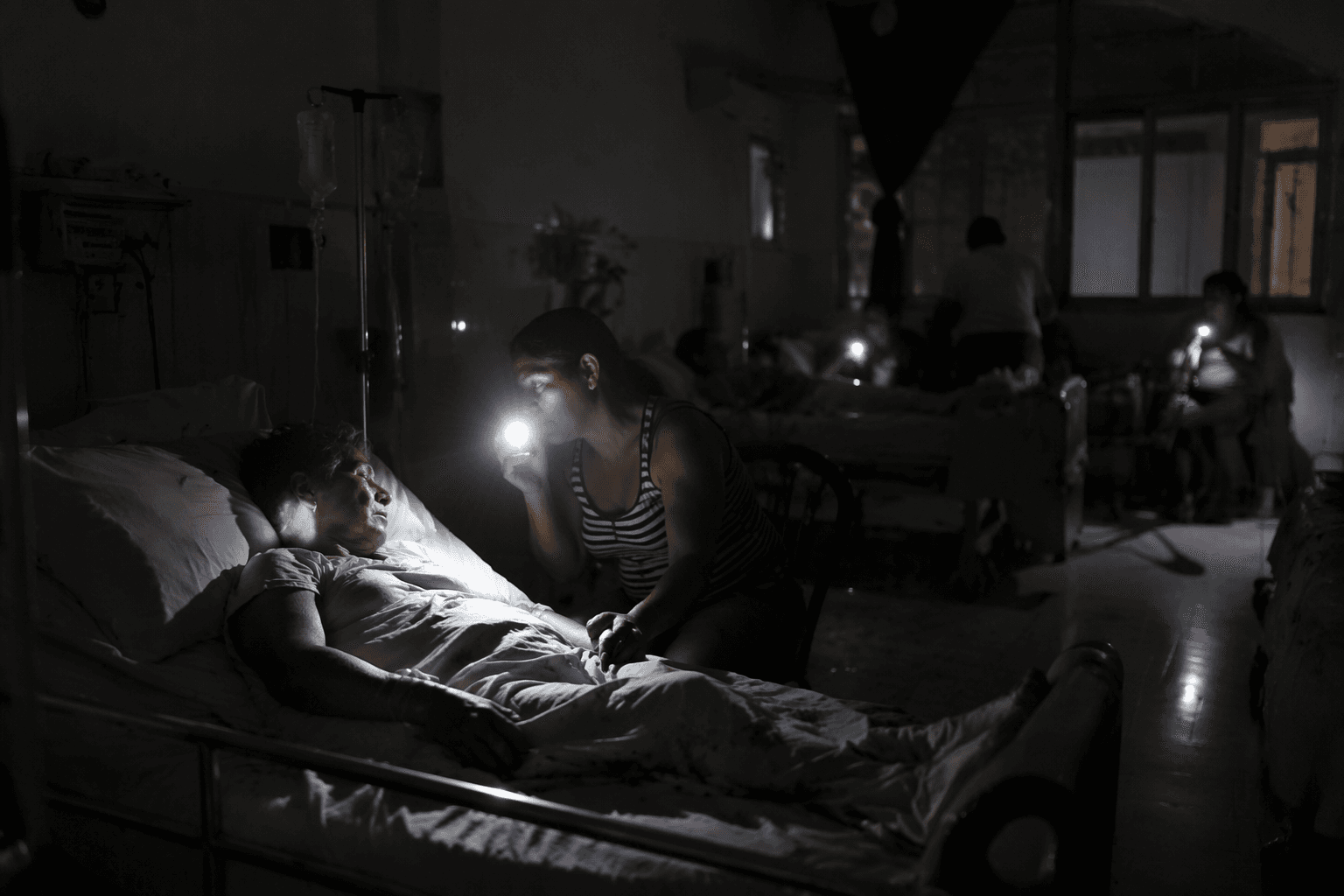
The collapse of basic services turned the disaster into a wider public-health emergency. One overwhelmed hospital in the quake zone was operating without running water, while rescue crews were forced to use cellphone lights because of a flashlight shortage. In La Guaira and nearby communities, residents slept outside after the quakes because they could not return to damaged homes, and municipalities set up shelters in schools and baseball stadiums.
The human toll climbed quickly. By June 26, local authorities had reported at least 920 dead, 3,000 injured and more than 51,000 missing. Later tallies pushed the death toll above 1,700, a figure still considered an undercount as officials and aid groups tried to reach isolated communities and assess the full scale of the damage.
International health agencies moved to support the response as the strain on hospitals became impossible to ignore. The Pan American Health Organization activated emergency response mechanisms on June 25 to assist Venezuela’s health response. Doctors Without Borders said teams from Caracas went immediately to La Guaira after the quakes and donated emergency trauma kits for hundreds of patients in hospitals in Caracas and La Guaira.
The response underscored how the earthquakes exposed weaknesses that were already there before the ground moved. In La Guaira, the loss of electricity, water and basic equipment did not just slow treatment. It left hospitals unable to absorb the surge of injured people arriving from collapsed homes, damaged roads and crowded shelters, turning the state’s medical system into another front in the disaster.
This article was produced by Prism’s automated news system from verified source data, official records, and press releases, then run through automated quality and moderation checks before publishing. The system is built and supervised by the people who set the standards it runs under. Read our full AI policy.
Did this article answer your question?