Why breast cancer survivors struggle to find menopause relief
Hormone therapy is surging back, but breast cancer survivors still face hot flashes, dryness and sleep loss with far fewer safe options.
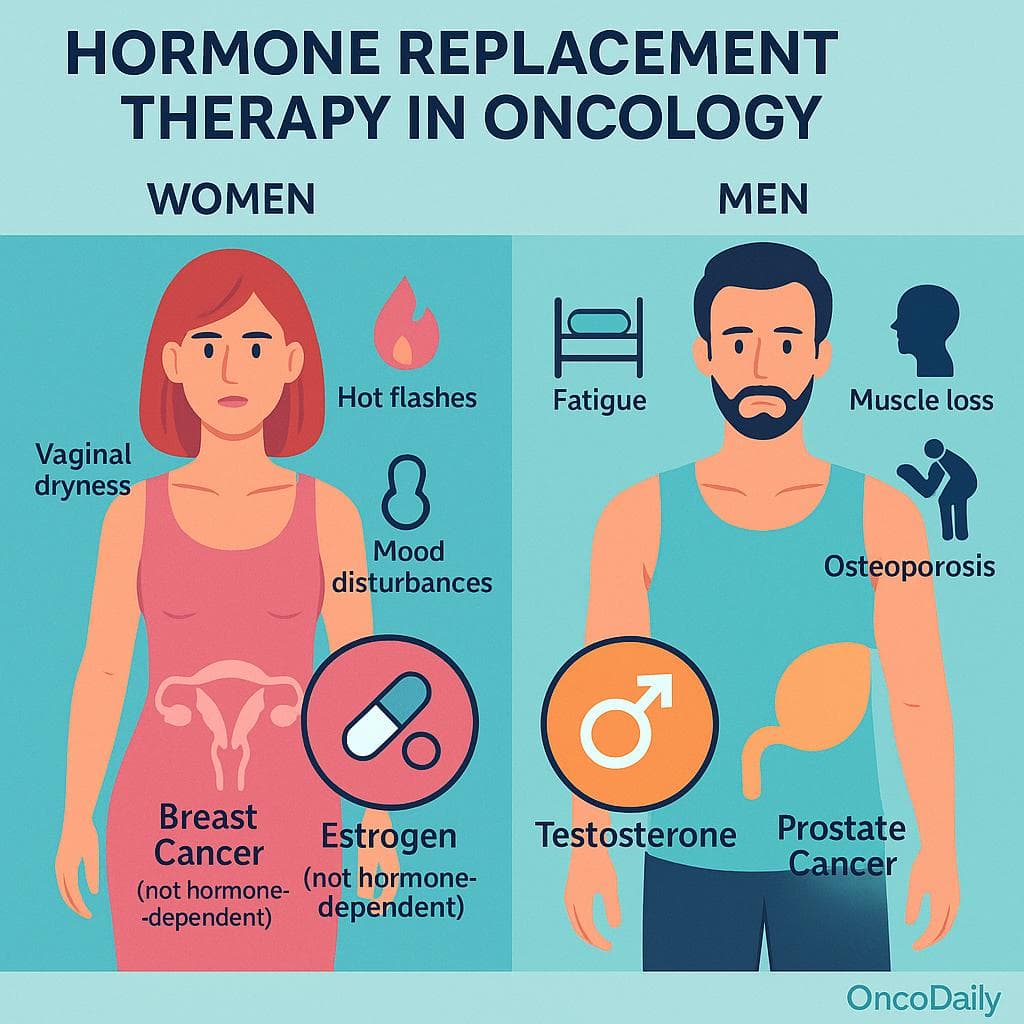
ACOG estimates there are 3.8 million breast cancer survivors in the United States, and many are trying to manage menopause symptoms at the same time they are weighing cancer recurrence risk. Hormone therapy is back in the conversation, but it is still out of reach for many women who need menopause relief most.
The symptom burden after breast cancer
Breast cancer treatment can trigger menopause-like symptoms or make existing symptoms far worse, and the burden is high. Research in breast cancer survivors finds that between 65% and 100% experience at least one treatment-induced menopausal symptom, including hot flashes, night sweats, sleep disturbance, musculoskeletal pain, mood changes, sexual dysfunction, vaginal dryness and atrophy, cognitive impairment, headaches, weight gain and fatigue.
Those symptoms are often different from natural menopause in one critical way: they can arrive more abruptly and linger longer. The same symptom cluster that disrupts sleep, intimacy and mood can also undermine quality of life and make it harder for patients to stay on endocrine therapy, which is central to breast cancer treatment for many survivors.
Why systemic hormones remain constrained
The renewed enthusiasm for hormone therapy does not erase the caution that still governs care for many survivors. ACOG guidance advises that women with a history of hormone-sensitive breast cancer try nonhormonal therapies first because combined hormone therapy is associated with a small increased risk of breast cancer. The American Cancer Society warns that menopausal hormone therapy after breast cancer may not be safe.
Menopause treatment after cancer is still built around risk stratification, shared decision-making and repeated reassessment rather than a one-size-fits-all prescription. The North American Menopause Society’s 2022 hormone therapy position statement updated its 2017 guidance and reaffirmed that hormone therapy is the most effective treatment for vasomotor symptoms and genitourinary syndrome of menopause in general, while emphasizing individualized counseling and dose, route and duration decisions.
What evidence-based relief still exists
For hot flashes and night sweats, evidence-based nonhormonal options are real, even if they are not perfect substitutes for estrogen. ACOG lists lifestyle measures such as cooling strategies, layered clothing, cold drinks, smoking cessation, weight loss and meditation, along with antidepressants, gabapentin and clonidine as nonhormonal medications. NAMS’s 2023 nonhormone therapy statement organizes the evidence around lifestyle, mind-body techniques, prescription therapies, dietary supplements and acupuncture.
The harder problem is genitourinary syndrome of menopause, or GSM, which can include genital dryness, burning, irritation, pain with sex, urinary urgency, dysuria and recurrent urinary tract infections. In ACOG’s clinical consensus, hormone-based therapy remains uncertain in people with a history of hormone-sensitive cancer, and that uncertainty leaves many women untreated unless clinicians are prepared to work through a range of hormonal and nonhormonal options and tailor the plan to individual risk factors.
- Hot flashes and night sweats can be treated with antidepressants, gabapentin or clonidine when hormone therapy is not an option.
- Vaginal dryness, burning and painful sex often require a separate strategy, because GSM does not respond as cleanly to the same medicines used for vasomotor symptoms. ACOG’s breast cancer consensus puts nonhormonal methods first, then calls for individualized discussion of other options.
- If symptoms are severe enough to threaten treatment adherence, they need to be named early. In one Mayo Clinic data set, as many as 20% of breast cancer survivors on aromatase inhibitors stopped them prematurely because severe GSM symptoms became intolerable.
The adherence and access problem
Aromatase inhibitors are antiestrogen therapies used to reduce breast cancer recurrence risk, and the symptoms they intensify can become severe enough to push patients off lifesaving treatment.
The regulatory debate around menopause treatment adds another layer. On February 12, 2026, the Food and Drug Administration approved labeling changes for six menopausal hormone therapy products, removing breast cancer, cardiovascular disease and probable dementia from the boxed warning. The move, made under Commissioner Marty Makary, reflects a broader reassessment of hormone therapy risks, but it does not remove the individualized cautions that still apply to many breast cancer survivors.
How clinicians are navigating the gap
Menopause care for cancer survivors has become its own specialty lane. Dr. Mindy Goldman, chief clinical officer for Midi Health and a clinical professor at UCSF in San Francisco, is one of the clinicians discussing how to treat menopause symptoms without ignoring cancer history, and ACOG now maintains a menopause topic center with specific clinical guidance for estrogen-dependent breast cancer.
This article was produced by Prism’s automated news system from verified source data, official records, and press releases, then run through automated quality and moderation checks before publishing. The system is built and supervised by the people who set the standards it runs under. Read our full AI policy.
Did this article answer your question?