Venezuela grid overhaul stalls as suppliers doubt payment guarantees
Suppliers want guarantees before fixing Venezuela’s grid, leaving less than 40% of capacity online and outages deepening the country’s economic drag.
Venezuela’s power crisis has become a test of credit as much as engineering. International suppliers and financiers are willing to discuss repairs, but in April meetings in Caracas, companies including Siemens Energy and GE Vernova pressed the same question: if they help rebuild the grid, how will they be paid?
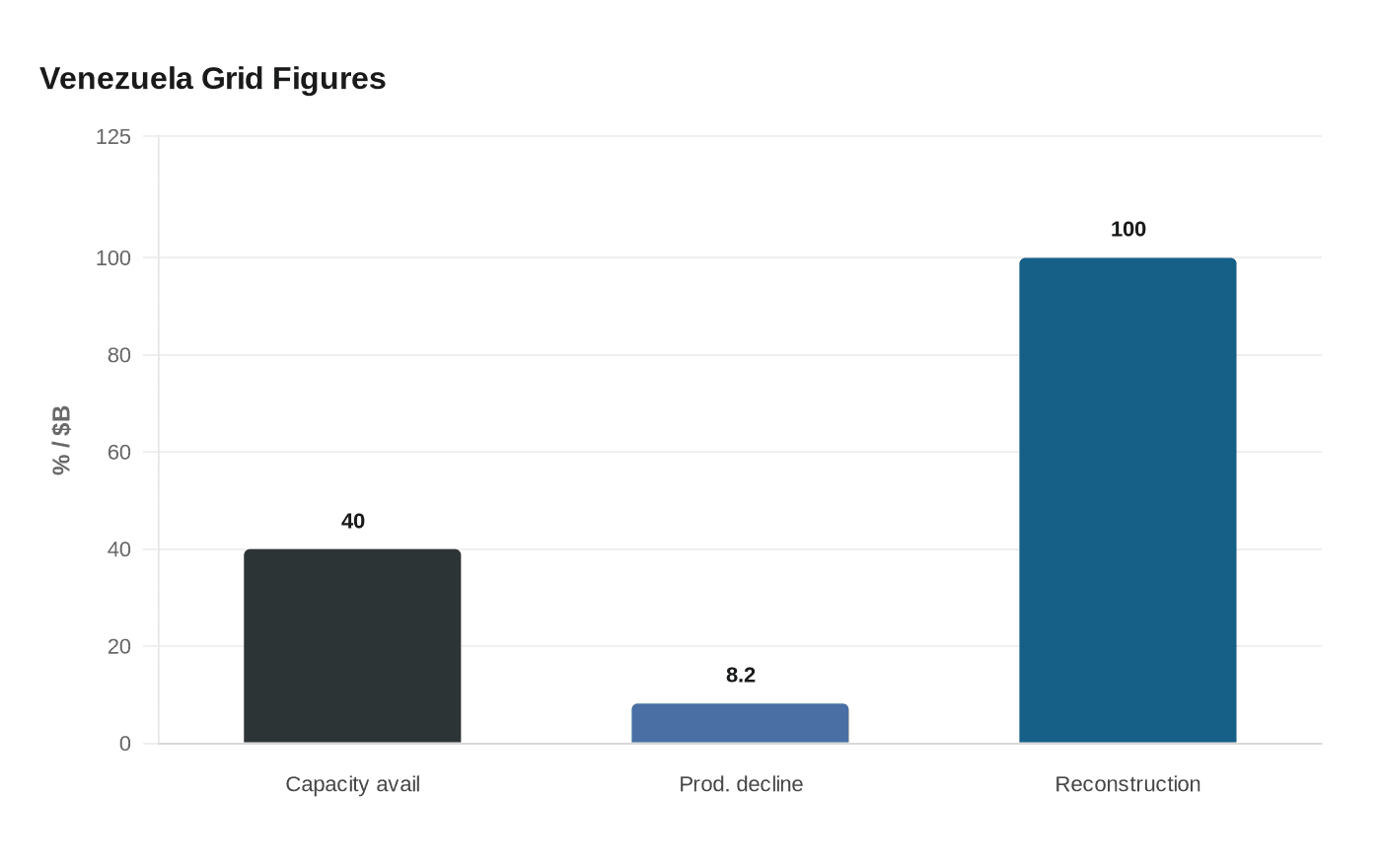
That hesitation is the central obstacle to restoring electricity in a country where outages already shape daily life. Less than 40% of Venezuela’s generation capacity is currently available, leaving factories short of power, slowing production and adding another brake to an economy that has spent years in contraction. For households, the result is more blackouts, more disruption and fewer signs that the system is moving out of collapse.
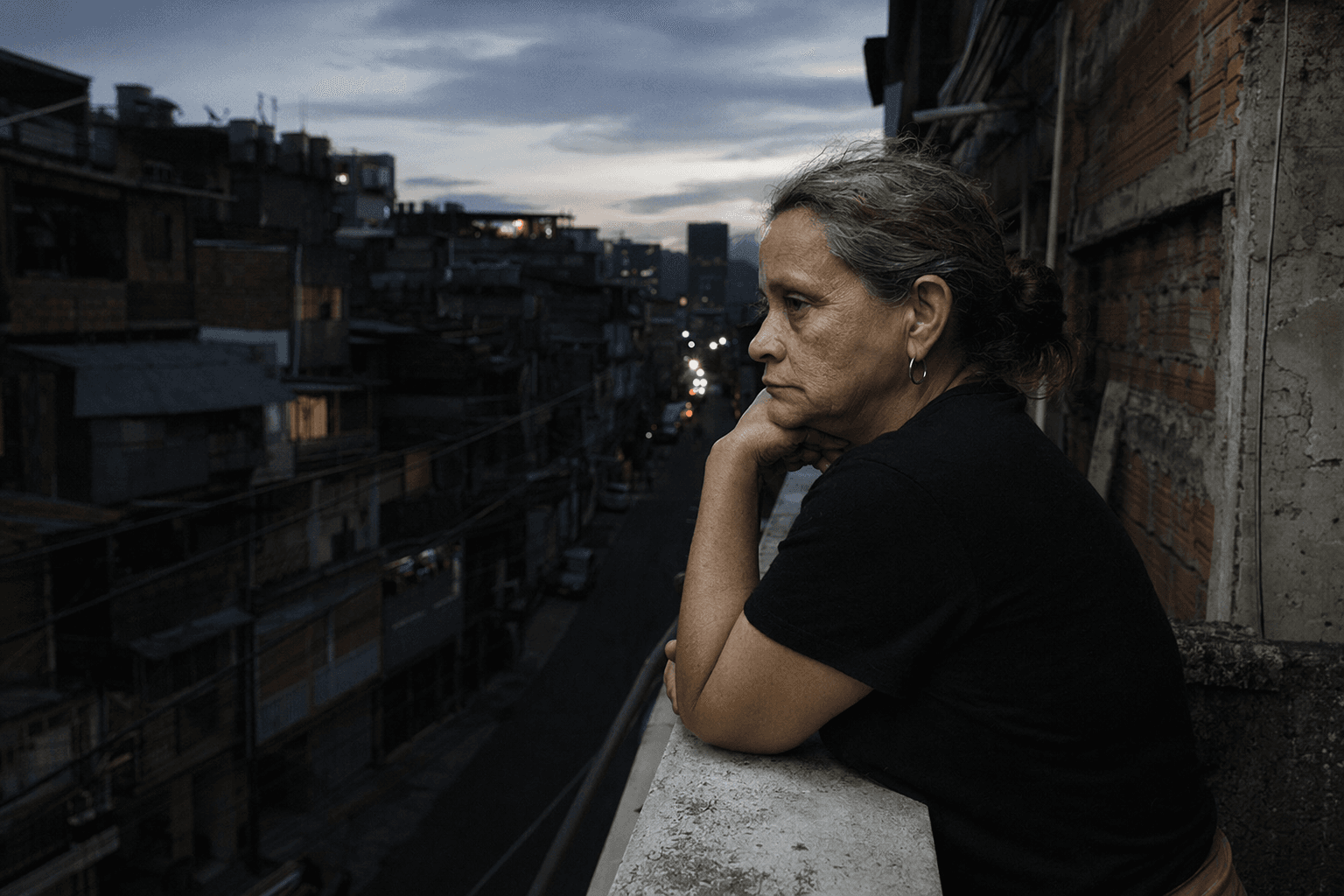
The stakes are especially high because the grid was not damaged by a single disaster. It has been weakened over years of underinvestment, poor maintenance and broken promises. Thermal power projects expanded under Hugo Chavez through 2013 left billions of dollars in unpaid bills to contractors, and some of the same firms are now being asked to return. One equipment-provider executive who attended the Caracas talks said the plants had not been properly repaired in a decade and that the need was effectively limitless, but that payment remained unclear.
Delcy Rodriguez, who took over as interim president after Nicolas Maduro in January, has made stable electricity one of her top priorities. The government is also trying to advance a $100 billion reconstruction plan backed by Washington. But political intent is not the same as financial credibility. Venezuela has been in default since late 2017, and the country’s debt overhang makes every promise of timely payment harder to believe for contractors who have already been burned.
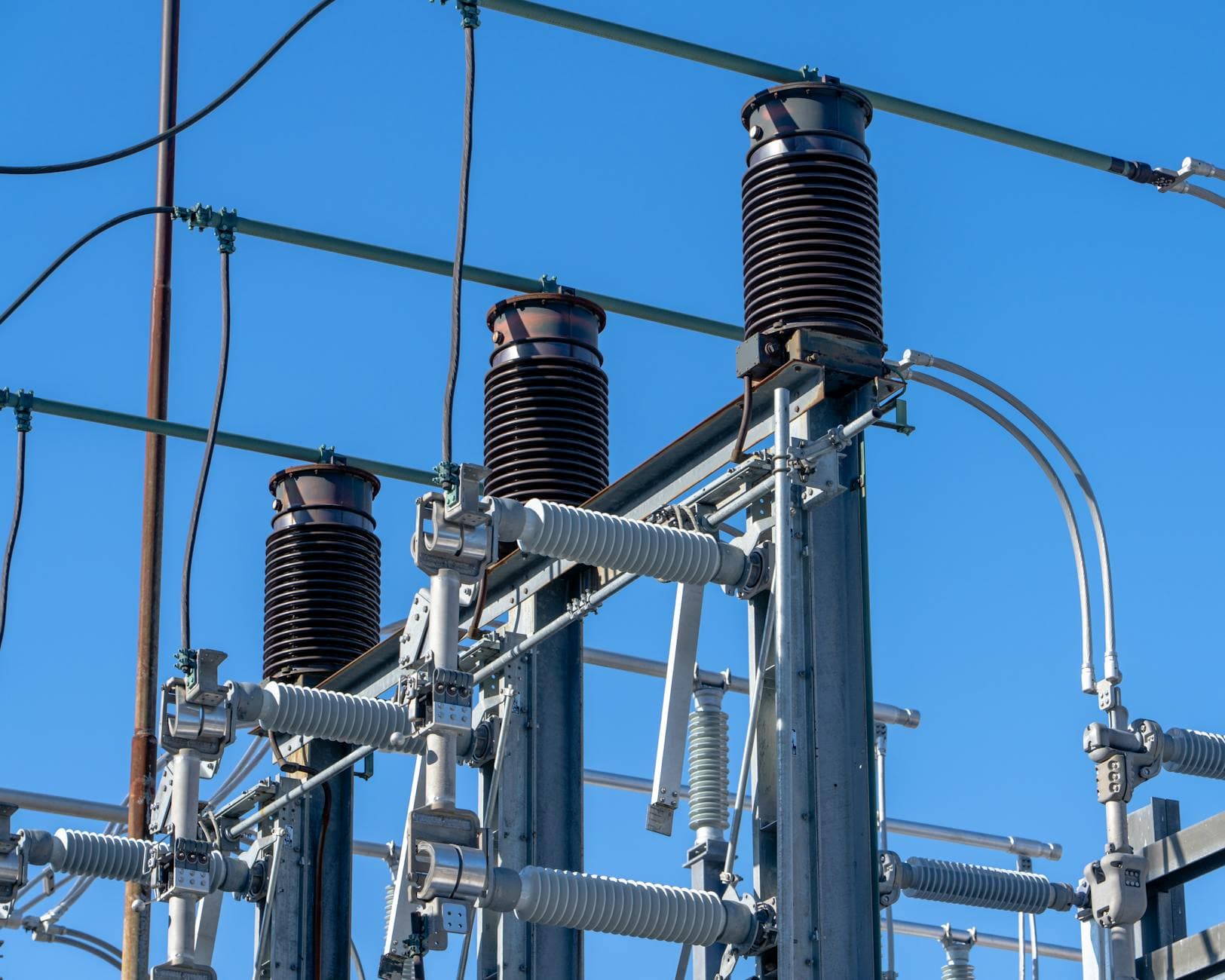
The broader energy picture is equally bleak. The U.S. Energy Information Administration says Venezuela’s total energy production fell by an annual average of 8.2% from 2011 to 2021, citing government mismanagement, international sanctions and a deep economic crisis that starved the sector of investment and maintenance. The Inter-American Development Bank has called the collapse of the Venezuelan economy unprecedented, noting that basic services deteriorated sharply and that private firms have been forced to operate amid macroeconomic instability, weak credit and unreliable infrastructure.
Even with high electricity access on paper, the system’s unreliability tells the real story. Previous Inter-American Development Bank work on the power sector pointed to tariff design, subsidies, technical and non-technical losses, and investment planning as core structural problems. Until Venezuela can persuade suppliers that work will be paid for, the grid is likely to remain in partial collapse, with the damage spreading from factories to oil production to ordinary homes across the country.
This article was produced by Prism’s automated news system from verified source data, official records, and press releases, then run through automated quality and moderation checks before publishing. The system is built and supervised by the people who set the standards it runs under. Read our full AI policy.
Did this article answer your question?
%3Amax_bytes(150000)%3Astrip_icc()%2FCertificate-of-deposit-2301f2164ceb4e91b100cb92aa6f868a.jpg&w=1920&q=75)