Venezuela quake toll tops 1,430 as rescue window closes
Families kept digging by hand as heavy machinery lagged, even after an 11-year-old and a newborn were pulled alive from Venezuela’s rubble.
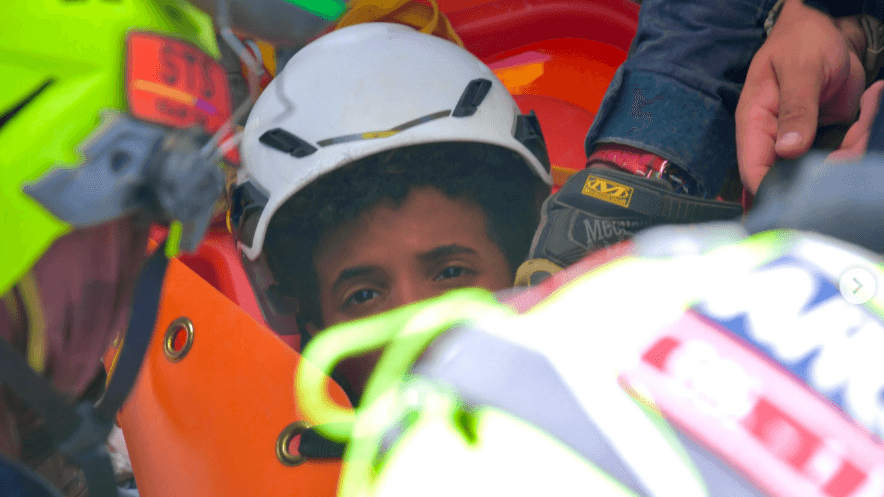
Rescuers spent six hours carefully digging to reach one boy in La Guaira, a stark measure of how much of Venezuela’s quake response still depended on bare hands as the toll climbed to at least 1,430. The twin earthquakes struck on June 24, with magnitudes of 7.2 and 7.5 and a 39-second gap, about 100 miles west of Caracas.
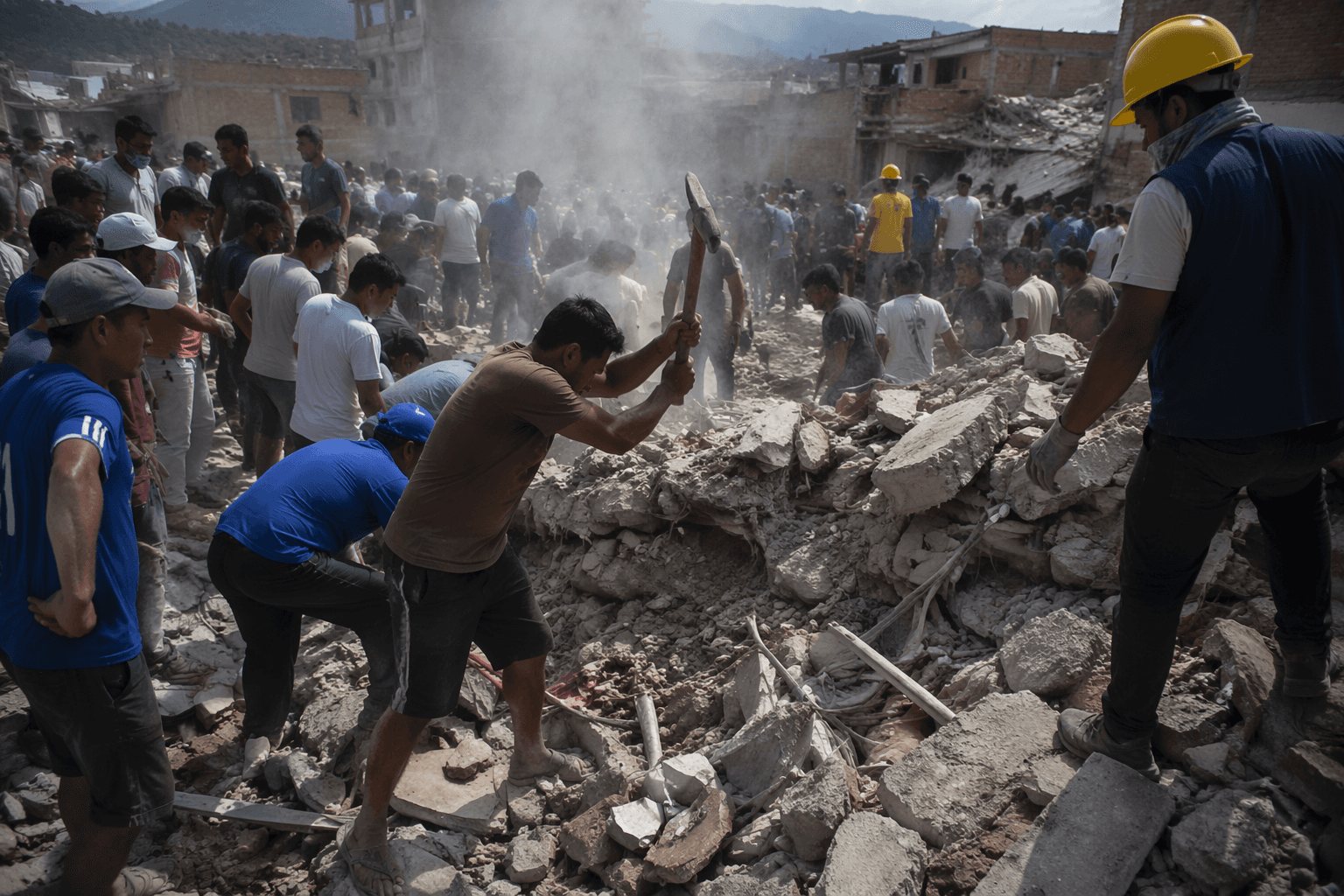
In hard-hit areas such as La Guaira and Catia La Mar, residents kept pulling debris apart themselves because heavy machinery remained scarce. Authorities later restricted access to La Guaira and required official permits to enter, adding another obstacle for crews trying to reach collapsed buildings and missing families.
The scale of the disaster stretched far beyond the coast. The United Nations, through IOM, said up to 6.76 million people could be affected and need shelter, safe water, sanitation, health care, protection and relief supplies. Aid agencies said the first 48 to 72 hours were the crucial survival window, and by June 27 and June 28 search teams said that window was closing as the rescue phase shifted toward recovery, with tens of thousands still missing or unaccounted for.
Amid the devastation, a few rescues offered brief relief. Moises Calzadilla, an 11-year-old boy, was pulled alive from rubble in La Guaira, a newborn baby survived a collapsed building about 32 hours after the earthquakes, and a separate 4-year-old boy was rescued after about 24 hours. Each recovery underscored how little time crews had left to find survivors before the odds turned against them.

International help began to arrive as the local effort strained under the scale of the destruction. Foreign search-and-rescue teams joined the operation, and U.S. military aid flights were among the outside resources sent to support the response, but limited access to some disaster zones kept the search slow and uncertain. With heavy equipment still lagging behind the needs on the ground, neighbors continued the work themselves, sifting through concrete and dust for signs of life.
This article was produced by Prism’s automated news system from verified source data, official records, and press releases, then run through automated quality and moderation checks before publishing. The system is built and supervised by the people who set the standards it runs under. Read our full AI policy.
Did this article answer your question?