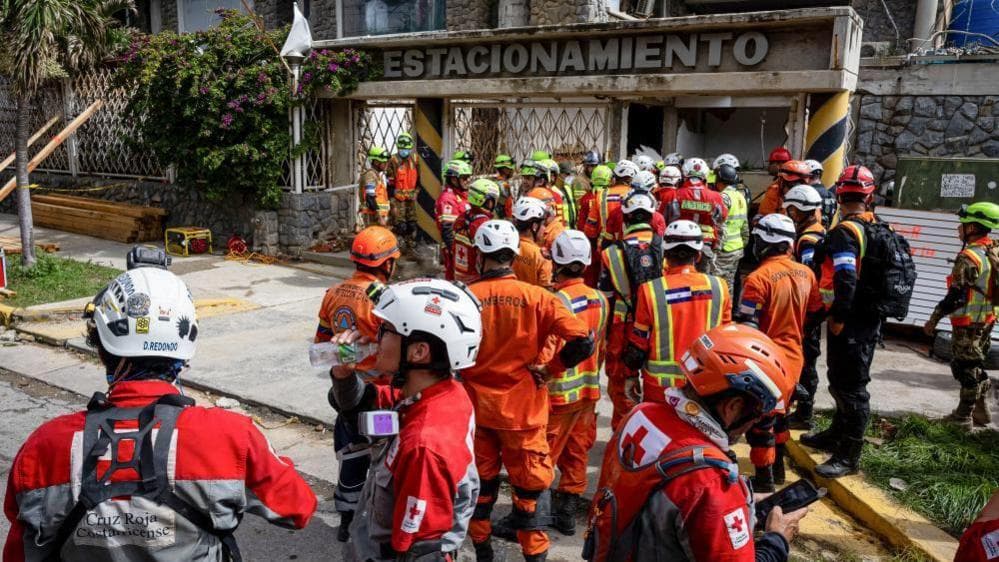
Venezuelan inmates protest prison conditions, say guards opened fire
Barinas prisoners burned mattresses on the roof and said guards shot them during a peaceful protest for the prison director's removal.
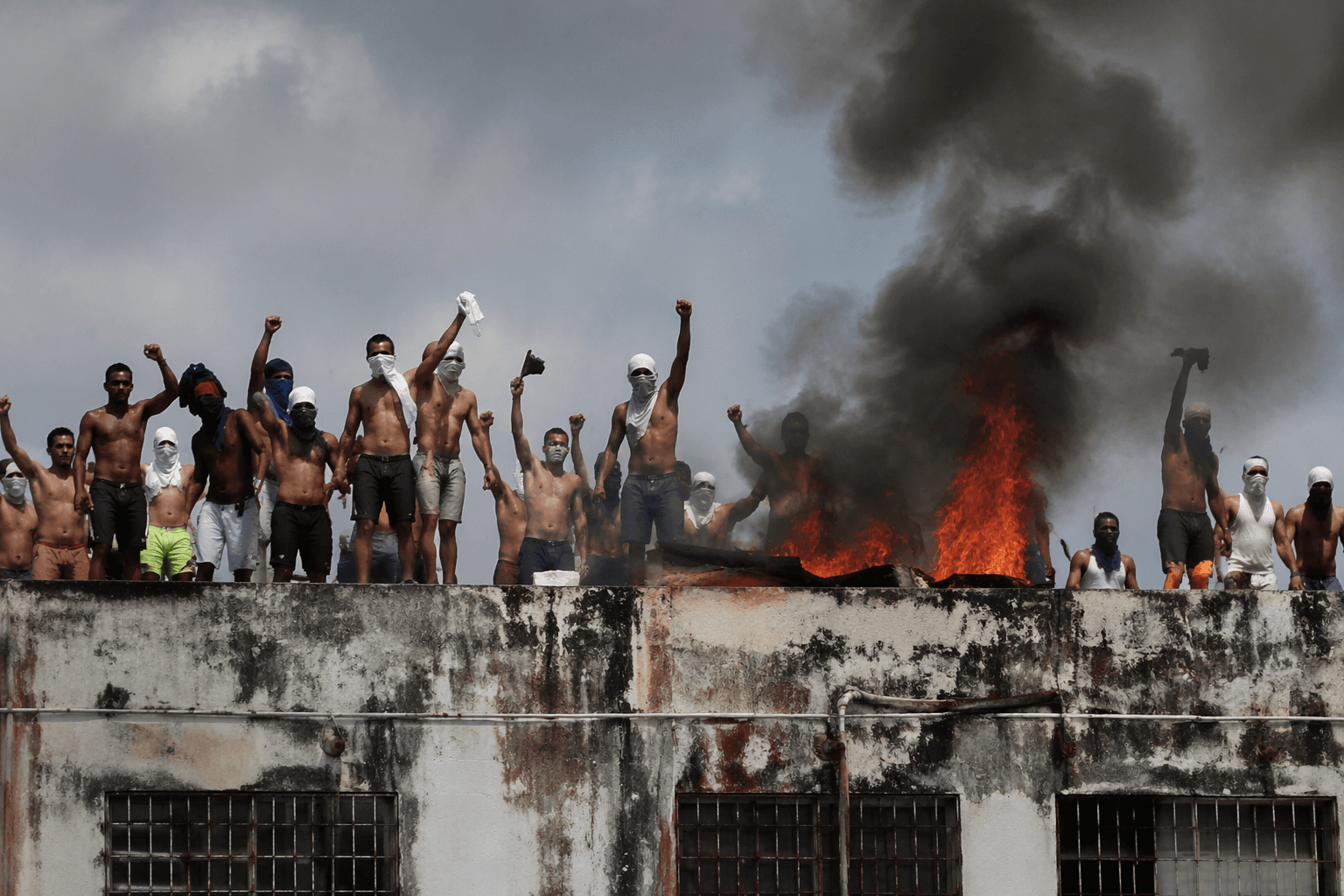
Mattresses burned on the roof of Barinas prison as inmates pressed for the removal of the detention center’s director and accused guards of opening fire on them. The clash in western Venezuela has become a stark test of how much the state will disclose about violence inside a prison system long dogged by allegations of abuse and secrecy.
Prisoners climbed onto the roof of the Barinas facility on Sunday, May 24, and set mattresses ablaze while demanding the director’s ouster. In a video shared by the Venezuelan Prison Observatory, inmates said they were carrying out a peaceful protest when prison staff and security forces moved to suppress it. One prisoner appeared in the footage with a bullet wound in his chest, underscoring the account of gunfire inside the compound.
The inmates’ description of the confrontation placed the burden squarely on the authorities. They said guards and wardens opened fire on prisoners who were unarmed and protesting conditions inside the jail. Venezuelan authorities did not immediately respond to requests for comment, leaving the prisoners’ version of events, and the video showing an injured inmate, as the main public account of what happened on the roof.
The unrest fit a wider pattern in Venezuela’s detention system, where rights groups have repeatedly documented overcrowding, alleged mistreatment and, in some cases, security-force takeovers of prisons. The Barinas protest also highlighted the weakness of independent oversight in a system where prison officials often control the information that reaches the public and families of inmates.
That broader climate has been shaped by the crackdown that followed the July 28, 2024 presidential election. Human Rights Watch said in April 2025 that Venezuelan authorities and pro-government armed groups committed widespread abuses after the vote, adding to concerns about repression and impunity across the country. Against that backdrop, the Barinas episode has taken on importance beyond one prison: it has become another flashpoint in the struggle to determine whether inmate complaints can be heard without being met by force.
This article was produced by Prism’s automated news system from verified source data, official records, and press releases, then run through automated quality and moderation checks before publishing. The system is built and supervised by the people who set the standards it runs under. Read our full AI policy.
Did this article answer your question?