Venezuelan mother dies after son’s custody death is confirmed
Carmen Navas died at 82, just days after Venezuela confirmed her son died in custody at Rodeo I and later said he had been moved to a military hospital.

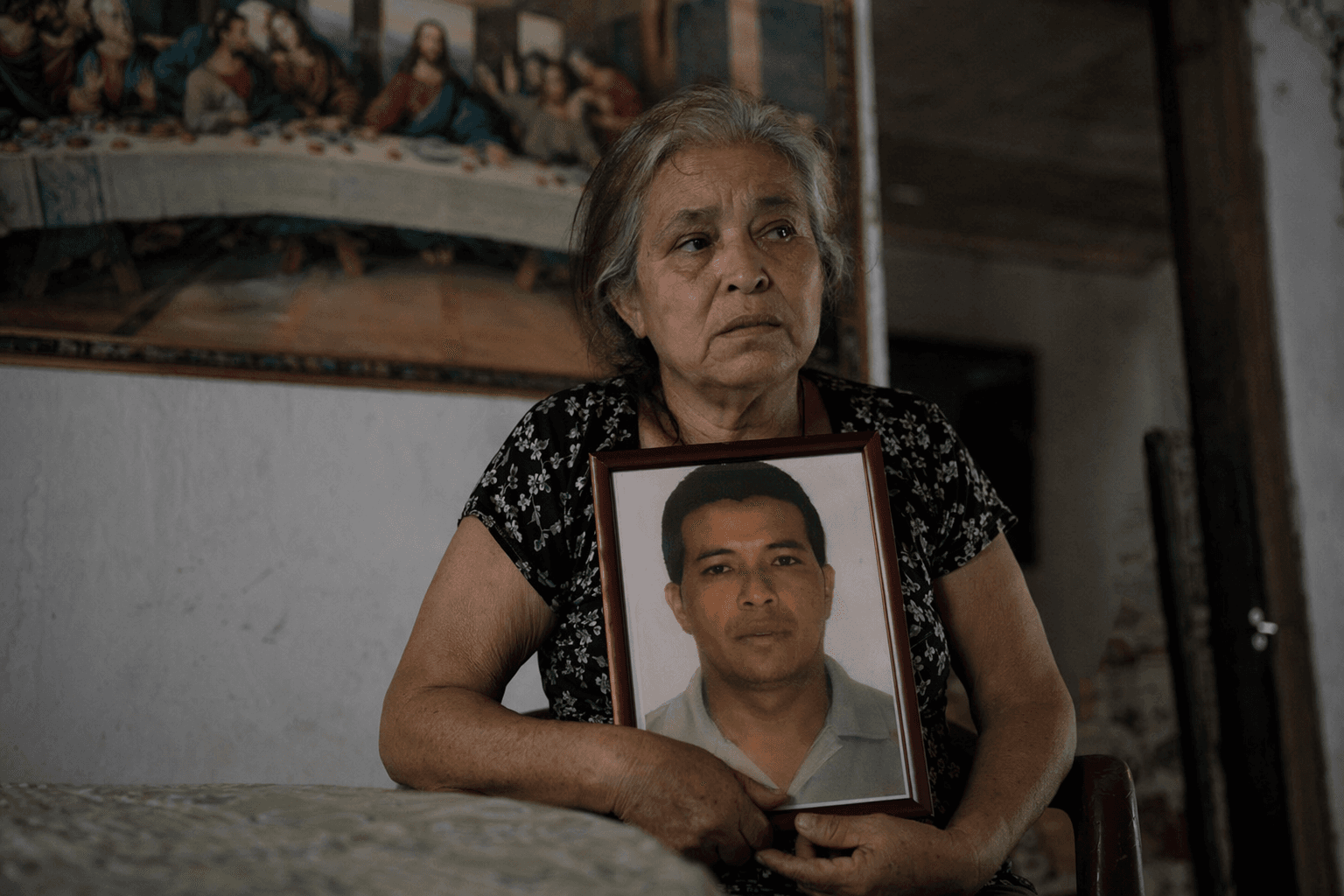
Carmen Navas died at 82 after spending months demanding answers about her son, Víctor Hugo Quero Navas, a detention case that exposed how long families in Venezuela can be left in the dark. Foro Penal said Navas died on 17 May 2026, only days after authorities finally confirmed that her son had died in state custody.
For more than a year, Navas searched for her son, whom Foro Penal described as a political prisoner disappeared since 1 January 2025. The group said prison officials repeatedly told her they did not know where he was. Her death closed one family’s ordeal, but it also sharpened scrutiny of a system where relatives say custody deaths are often concealed, delayed, or explained only after sustained public pressure.
The UN Working Group on Enforced or Involuntary Disappearances said on 15 May 2026 that Quero Navas’ disappearance and death in custody should be independently investigated. The experts said Venezuelan authorities publicly stated on 7 May 2026 that he had been detained on 3 January 2025 at Rodeo I Judicial Detention Centre, then later claimed he was transferred on 15 July 2025 to Dr. Carlos Arvelo Military Hospital, where he allegedly died of acute respiratory failure secondary to pulmonary thromboembolism. The UN said it had transmitted the case to Venezuela on 31 March 2025 and received no response.
A Venezuelan Public Defender’s Office document dated 24 October 2025 reportedly said the family had been told Quero Navas was at Rodeo I, but guards would not confirm his whereabouts. The Inter-American Commission on Human Rights later granted precautionary measures for both Víctor Hugo Quero Navas and Carmen Teresa Navas on 18 April 2026, saying he had remained without contact with family or lawyers and that Navas faced alleged intimidation from state officials.
The case has become part of a wider human-rights dispute over Venezuela’s prisons and post-election crackdown. Human Rights Watch said the repression that followed the 28 July 2024 presidential vote included arbitrary arrests, enforced disappearances, and other abuses, with credible reports of 25 killings during protests. It has also said about 8 million Venezuelans have fled since 2014.
The UN Fact-Finding Mission on Venezuela said in May 2025 that holding opponents in isolation and incommunicado detention can amount to enforced disappearance, and it said habeas corpus petitions failed in at least 20 cases it reviewed. Foro Penal said Navas’ perseverance became an example of the strength of mothers and families of victims in Venezuela, and it urged truth, justice and reparations for all those affected by repression.
This article was produced by Prism’s automated news system from verified source data, official records, and press releases, then run through automated quality and moderation checks before publishing. The system is built and supervised by the people who set the standards it runs under. Read our full AI policy.
Did this article answer your question?


