Venezuela's Delcy Rodriguez to visit India, discuss energy ties
Delcy Rodriguez’s India visit put Venezuela back at the center of oil diplomacy, after Indian imports hit 427,000 barrels a day in May amid Middle East supply risk.

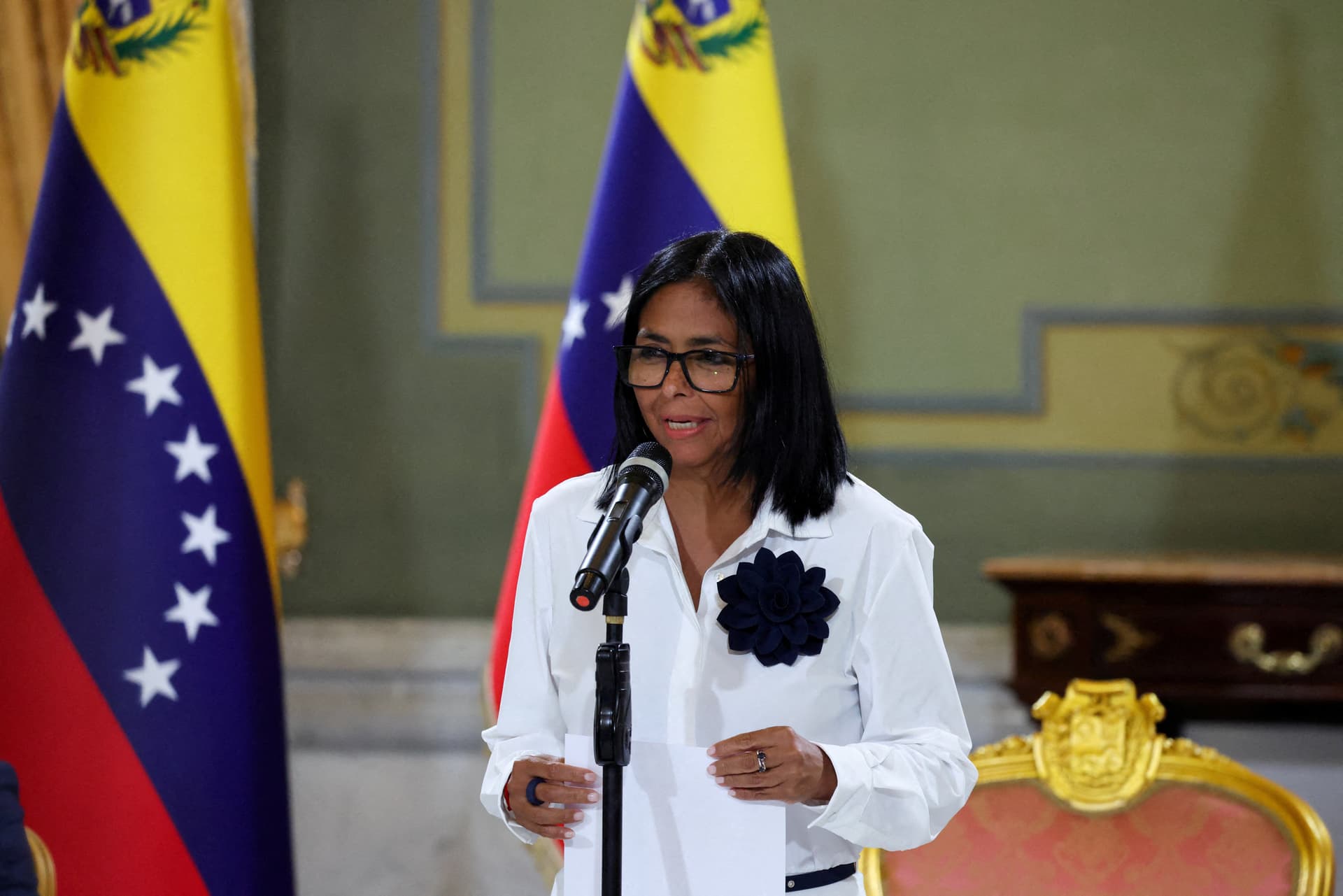
Delcy Rodriguez arrived in India for a June 3-7 working visit that was due to include a meeting with Prime Minister Narendra Modi, placing energy security at the center of a broader push to steady crude supplies while conflict in the Middle East rattled shipping lanes. India took in 427,000 barrels a day of Venezuelan oil in May, making it the second-largest buyer after the United States and underscoring how quickly the trade has reopened.
The agenda for the talks stretched well beyond oil. Indian officials said discussions were to cover energy, trade, investment, pharmaceuticals, healthcare, transportation and renewable energy, a sign that New Delhi and Caracas were treating the trip as a full-spectrum government engagement. Rodriguez was also traveling with several ministers, reinforcing the sense that the visit was meant to advance concrete deals rather than deliver a ceremonial photo opportunity.
For India, the timing was driven by pressure on the country’s energy balance. As the world’s third-largest oil importer and consumer, India depends on stable access to crude, and the Strait of Hormuz normally carries more than 40% of its imports. With the route under severe strain from war-related disruption, any interruption in Gulf shipping can quickly affect refiners, freight costs and domestic fuel prices.

Venezuela’s return to Indian barrels also reflects the volatility of sanctions policy. India had stopped buying Venezuelan oil last year after Washington authorized a 25% discretionary tariff on countries purchasing crude from Venezuela. Purchases resumed after sanctions were eased in February under a new supply pact between Washington and Caracas, reopening a trade that had been suspended by politics rather than geology.
Reliance Industries has become one of the biggest buyers of Venezuelan crude in recent months, and Venezuela became India’s third-largest crude supplier in May. That shift shows how refiners are adapting to a fragmented supply market by leaning on grades that fit their processing capacity and on suppliers less exposed to sudden chokepoints.
The commercial logic is not new. Indian government background material says India and Venezuela marked 64 years of diplomatic relations in 2023, and resident embassies have operated in Caracas and New Delhi for more than four decades. Earlier external affairs material quoted Venezuelan oil minister Rafael Ramírez as saying Venezuela had a contract to sell India 400,000 barrels per day because Indian refineries are well suited to processing heavy Venezuelan crude.
Rodriguez’s trip had originally been expected in the context of the deferred International Big Cats Alliance summit, but the energy agenda now defines it. For both governments, the deeper message is clear: in a fractured oil market, diplomacy is again being shaped by who can sell, who can buy and which routes remain open.
This article was produced by Prism’s automated news system from verified source data, official records, and press releases, then run through automated quality and moderation checks before publishing. The system is built and supervised by the people who set the standards it runs under. Read our full AI policy.
Did this article answer your question?


