Vet outlines 2026 prevention plan for Aspergillosis and fungal threats in parrots
A vet-focused prevention plan offers practical steps to cut fungal spore exposure and protect parrots from Aspergillosis and other fungal threats.
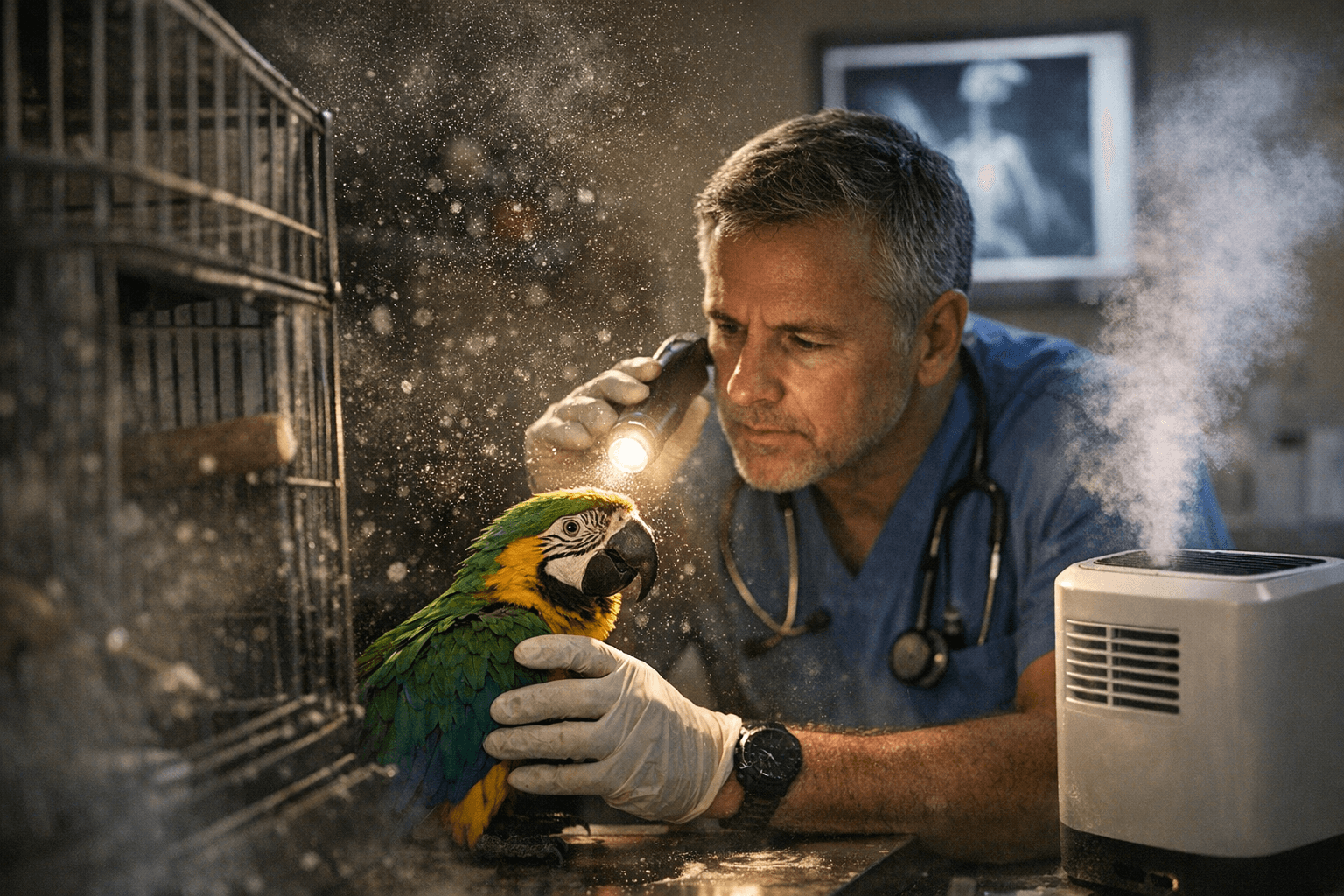
A new, evidence-focused prevention plan for Aspergillosis and related fungal threats lays out concrete steps parrot owners can use to reduce spore exposure and shore up bird health. The guide, last updated Jan. 29, 2026, emphasizes environmental control and routine care as the front line of defense.
Aspergillosis is the central concern. Petassure describes the disease plainly: "Caused by the fungus Aspergillus, this avian illness primarily affects the respiratory system. Birds breathe in fungal spores from moldy environments, damp cages, or poor-quality food. Common symptoms include labored breathing, wheezing, and reduced activity." Veterinarypartner adds a sober framing: "Because Aspergillus is such a common inhabitant of the normal respiratory tract, it is impossible to entirely eliminate it." The practical implication is reduction, not eradication.
Veterinarypartner summarizes prevention in owner-focused terms: "The best prevention is based on limiting exposure to spores and keeping your bird healthy overall." That advice is expanded into specific husbandry moves: "Make sure your bird is in a clean environment that is not too humid or crowded. Do not leave moist bedding or food in the cage for long periods of time as these are ideal sites for fungal proliferation." The same source lists predisposing factors owners can control: "Immune suppression (possibly due to concurrent diseases), stress, malnutrition, vitamin A deficiency (common with all-seed diets), confinement, and prolonged antibiotic use are all possible reasons for the development of opportunistic Aspergillus infections. Additionally, poor housing, hygiene and husbandry practices may predispose pet and aviary birds to develop this disease. Damp bedding and food, long-term food storage, humidity, poor ventilation, and inadequate cage cleaning are all factors that can increase the amount of fungal spores that are inhaled from the environment. Some kinds of bedding such as corn cob and walnut shells may also favor the growth of Aspergillus. Even in healthy individuals, inhalation or ingestion of abnormally large numbers of spores can cause severe"
When medical therapy is needed, Veterinarypartner highlights antifungals as primary tools: "Anti-fungal medication is the first line of defense against aspergillosis, and of these medications, itraconazole is probably the most widely accepted anti-fungal drug. This medication is given by mouth and is relatively safe for use in birds." The guide also notes amphotericin B use and cautions: "Another anti-fungal, amphotericin B, has been commonly used as a primary treatment for aspergillosis in birds when they are hospitalized, but it has been known to cause toxicity, damaging the kidneys when used for long periods. Another use for this drug is that it may be administered topically to an area of fungal growth during the endoscopic procedure, as mentioned above." Veterinarypartner adds that vaccines exist but warns: "Vaccines do exist, but their effectiveness is questionable."
The plan also flags other fungal and infectious threats owners need to know. DVM360 warns of zoonotic risk and handling precautions for Cryptococcosis: "Avian veterinarians should use extreme caution when handling patients suspected of having Cryptococcosis. Zoonotic infections may occur through inhaling dust from dried droppings of pigeons, starlings and other species." DVM360 further lists treatment options and prognosis: "In avian patients, Amphotericin B, itraconazole and ketoconazole have been recommended as possible treatment options; however, fluconazole may be a better choice for infections of the CNS. Prognosis for successful treatment is extremely poor." Petassure reminds owners that other conditions — Psittacosis, Polyomavirus, Avian Gastric Yeast, egg binding and general respiratory infections — carry distinct risks and signs, and that some are zoonotic: "Psittacosis ... it’s zoonotic, meaning it can spread to humans."
For readers caring for parrots, the takeaway is clear: prioritize clean, dry, well-ventilated housing, remove damp bedding and leftover moist food promptly, avoid bedding types that may favor mold, improve nutrition to prevent vitamin A deficiency, reduce stress and keep routine veterinary checks. Recognize urgent signs — labored breathing, nasal discharge, tail bobbing, sudden weakness — and seek veterinary care. The guide makes explicit that elimination of Aspergillus is unrealistic; prevention, early recognition, and coordinated veterinary treatment are the path forward for keeping feathers and lungs healthy in 2026 and beyond.
Know something we missed? Have a correction or additional information?
Submit a Tip