Veteran Black Lawmakers Push Back Against Democratic Pressure to Step Aside
As Democrats push for generational change, the veteran Black lawmakers commanding key committee gavels are refusing to step aside, putting decades of hard-won institutional power at stake.
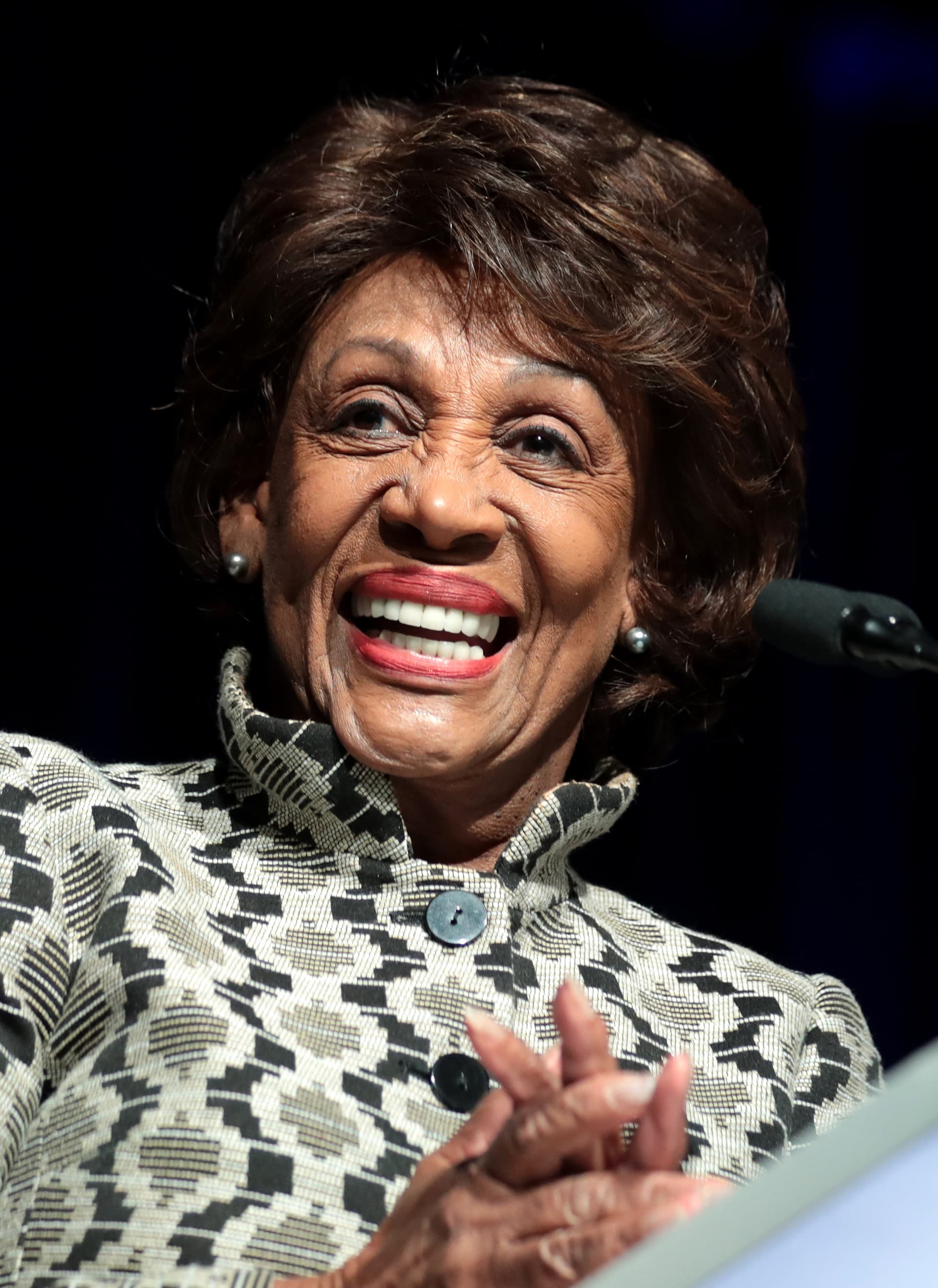
More than one in eight members of Congress have announced plans to leave before the 2026 midterms, a record retirement wave that has swept out figures as consequential as former House Speaker Nancy Pelosi. But inside the Congressional Black Caucus, some of the most senior lawmakers are holding their ground, and the reasons run deeper than personal ambition.
Veteran CBC members like Maxine Waters of California, Bennie Thompson of Mississippi, and Gregory Meeks of New York, all over the age of 70, have chaired some of the most powerful committees in Washington. Waters led the House Financial Services Committee. Thompson ran Homeland Security. Meeks chaired Foreign Affairs. These are perches that took literal decades to reach in a system that long barred Black lawmakers from the table entirely, and surrendering them now is not a proposition many CBC veterans take lightly.
The caucus, once one of the youngest groups in Congress during the 1970s when it was founded as a cohort of political trailblazers, has become one of the oldest today. CBC members now serve an average of nearly seven terms, roughly four years longer than their non-CBC peers. That longevity is not accidental. It reflects both the depth of institutional investment required to accumulate real leverage and the reality that, for Black lawmakers who spent years fighting exclusion, a committee gavel is not just a title but a policy instrument: for voting rights protections, social spending priorities, and the constituency services that flow from appropriations influence.
The broader Democratic retreat is significant. Ahead of the 2026 midterms, many older Democrats opted to pass the torch to a younger generation, among them Reps. Dwight Evans and Danny Davis. Rep. Bonnie Watson Coleman of New Jersey is also ending her historic tenure as the first Black woman to represent her state in the House. Their departures will test whether the institutional relationships and appropriations muscle they built can be reconstructed by successors who have not yet accumulated comparable seniority.
The NBC News analysis identified the CBC as one of the pro-seniority power centers in the Democratic caucus, a structural force that has resisted term-limit proposals advanced by reformers like Rep. Bill Foster of Illinois, who proposed capping committee leadership tenures at six years. The argument for reform is straightforward: a geriatric Congress can have demonstrable effects on policymaking, and razor-thin majorities make every seat a genuine variable.
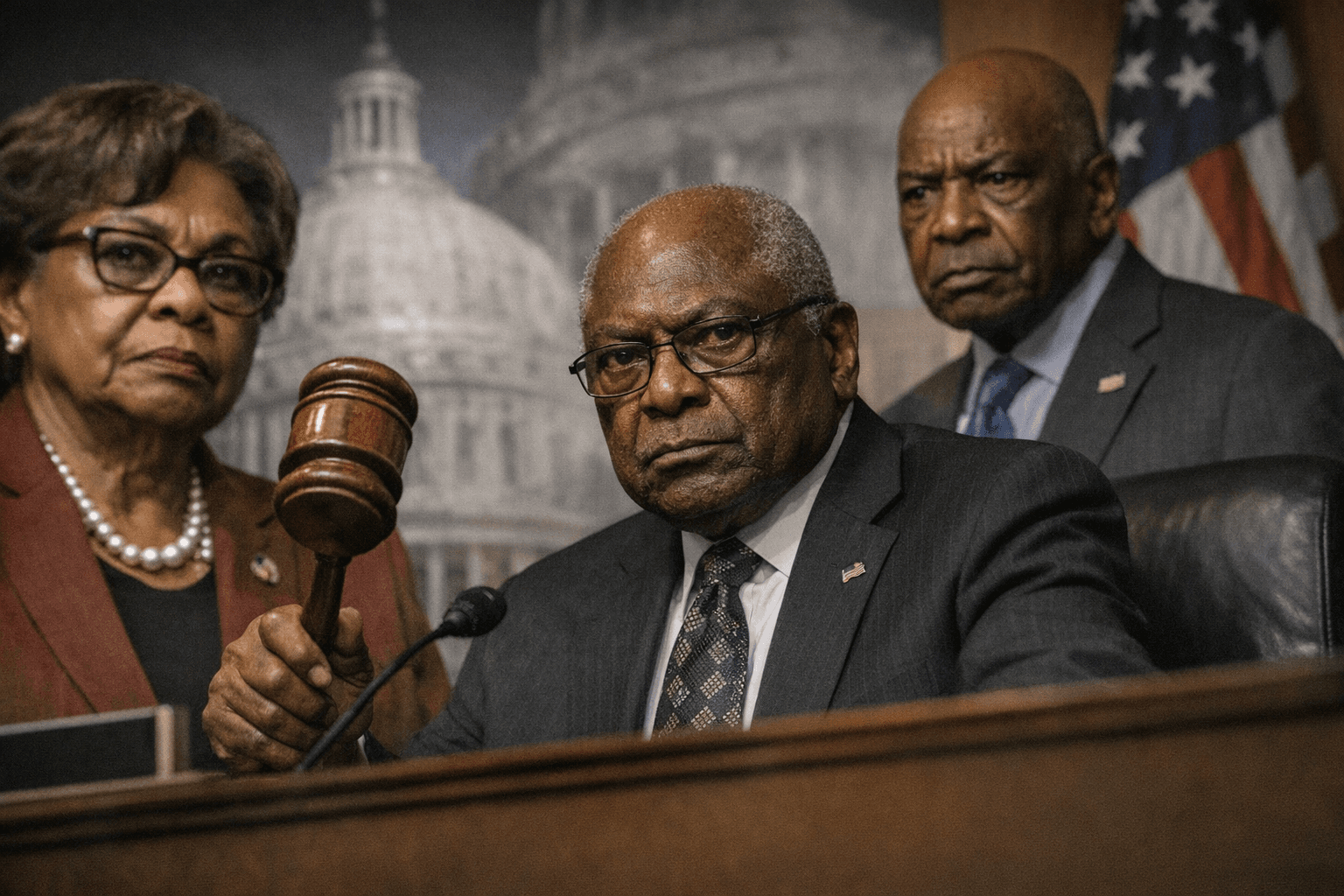
The counter-argument carries its own weight. The early CBC, founded with just 13 members in 1971, leveraged its position to shape Federal Reserve employment policy and, by 1986, passed anti-apartheid sanctions over a presidential veto. That kind of institutional muscle took generations to build. Seniority, as scholars studying the caucus have noted, equals influence: the ability to sway policy, mentor newcomers, and shape the institution itself. The question pressing on the CBC heading into 2026 is whether that influence transfers cleanly to the next generation, or whether it evaporates when veteran members exit.
The stakes are sharpened by precedent. Several prominent CBC members have died in office after long tenures, including civil rights icon John Lewis of Georgia at 80 and Alcee Hastings of Florida at 84. Their deaths underscore the risks of indefinite incumbency even as the caucus resists the generational pressure building around it.
House Minority Leader Hakeem Jeffries, at 54 roughly three decades younger than Pelosi was when she left leadership, represents the model the Democratic Party is increasingly promoting. The CBC now stands at a historic 62 members, representing 120 million Americans including 41% of the Black population. Whether that bloc arrives at the next Congress with the same committee leverage it had in the last depends significantly on how this retirement debate resolves, and how quickly rising members can convert floor presence into the kind of institutional authority their predecessors spent careers accumulating.
This article was produced by Prism’s automated news system from verified source data, official records, and press releases, then run through automated quality and moderation checks before publishing. The system is built and supervised by the people who set the standards it runs under. Read our full AI policy.
Did this article answer your question?

