Victoria and Tasmania Waive Transit Fares Amid Iran War Fuel Crisis
Tasmania's bus and ferry fares dropped to zero today as Australia's Iran war fuel crisis pushed petrol from $1.70 to $2.50 a litre at some pumps.
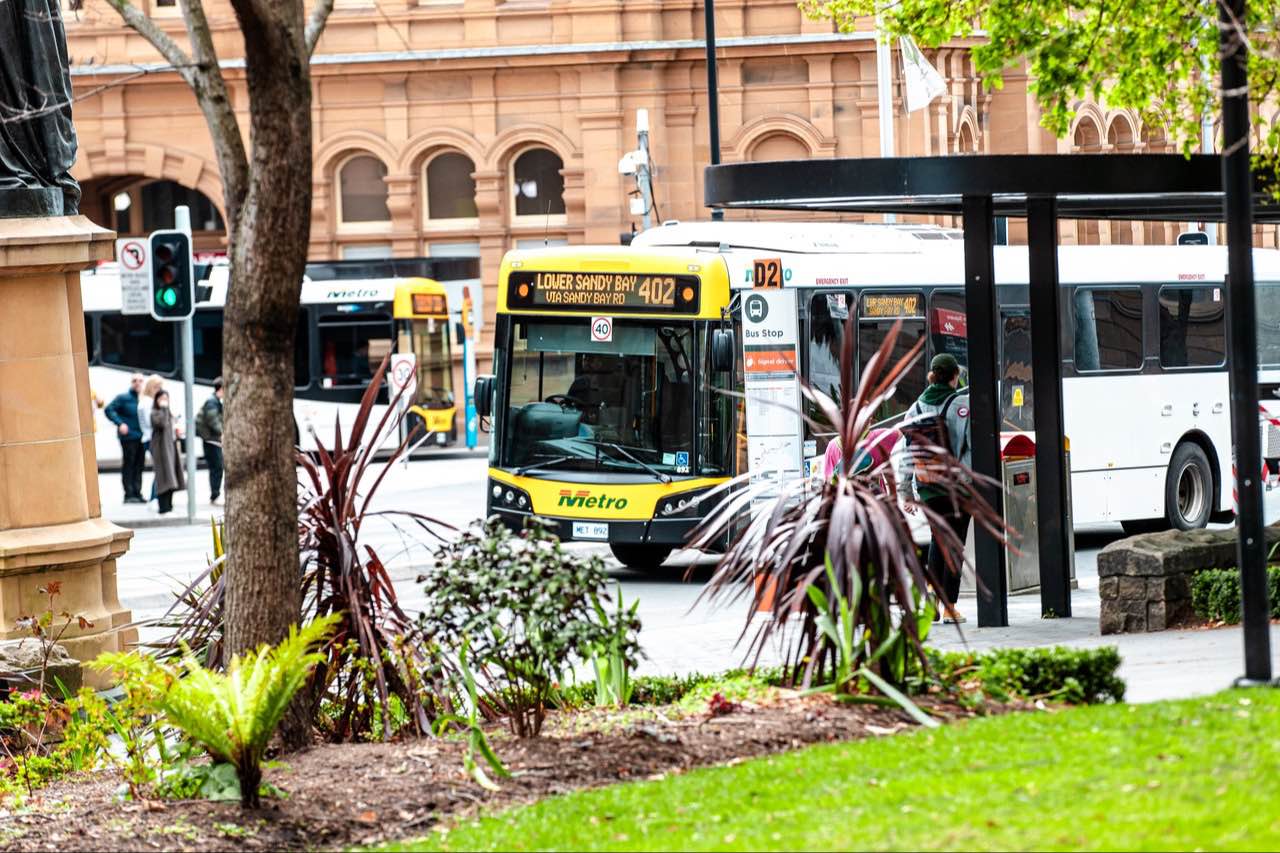
Petrol has jumped from an average of $1.70 a litre to about $2.50 a litre at some Australian pumps since the Iran war began, and two state governments moved Sunday to put money back in commuters' pockets. Tasmania waived bus and ferry fares starting today, and Victoria announced free travel on trams, trains and buses from March 31.
Tasmania's reprieve runs through July 1, making it the longer of the two measures. Victorian Premier Jacinta Allan called hers explicitly temporary. "This is a temporary measure to help with the cost of living - it will take pressure off the pump and help you save," she said.
In Tasmania, residents were already shifting their habits before the fare waiver took effect. Premier Jeremy Rockliff cited a 20 percent increase in public transport use in the previous week alone. "We know the rising cost of fuel is impacting the family budget, and that's why we have again taken strong and decisive action to protect Tasmanians," he said. "We are stepping up to support Tasmanians when they need it most, delivering one of the state's most significant cost-of-living measures."
The cause of the surge sits thousands of kilometres away. The outbreak of the Iran war has greatly restricted the flow of oil through the Strait of Hormuz, a chokepoint that carries roughly 80 percent of the region's fuel supply. The Australian Institute of Petroleum reported that petrol prices in Australia have surged by a record 27 percent since the conflict began, with remote areas hit hardest: some fuel stations have run dry due to panic buying and shortages particularly in regional communities.
Several hundred service stations have reported fuel shortfalls nationally, with delivery disruptions spreading into agriculture and mining, both heavily reliant on diesel supply chains. Australia has been releasing petrol and diesel from domestic reserves to ease pressure on rural supply chains.
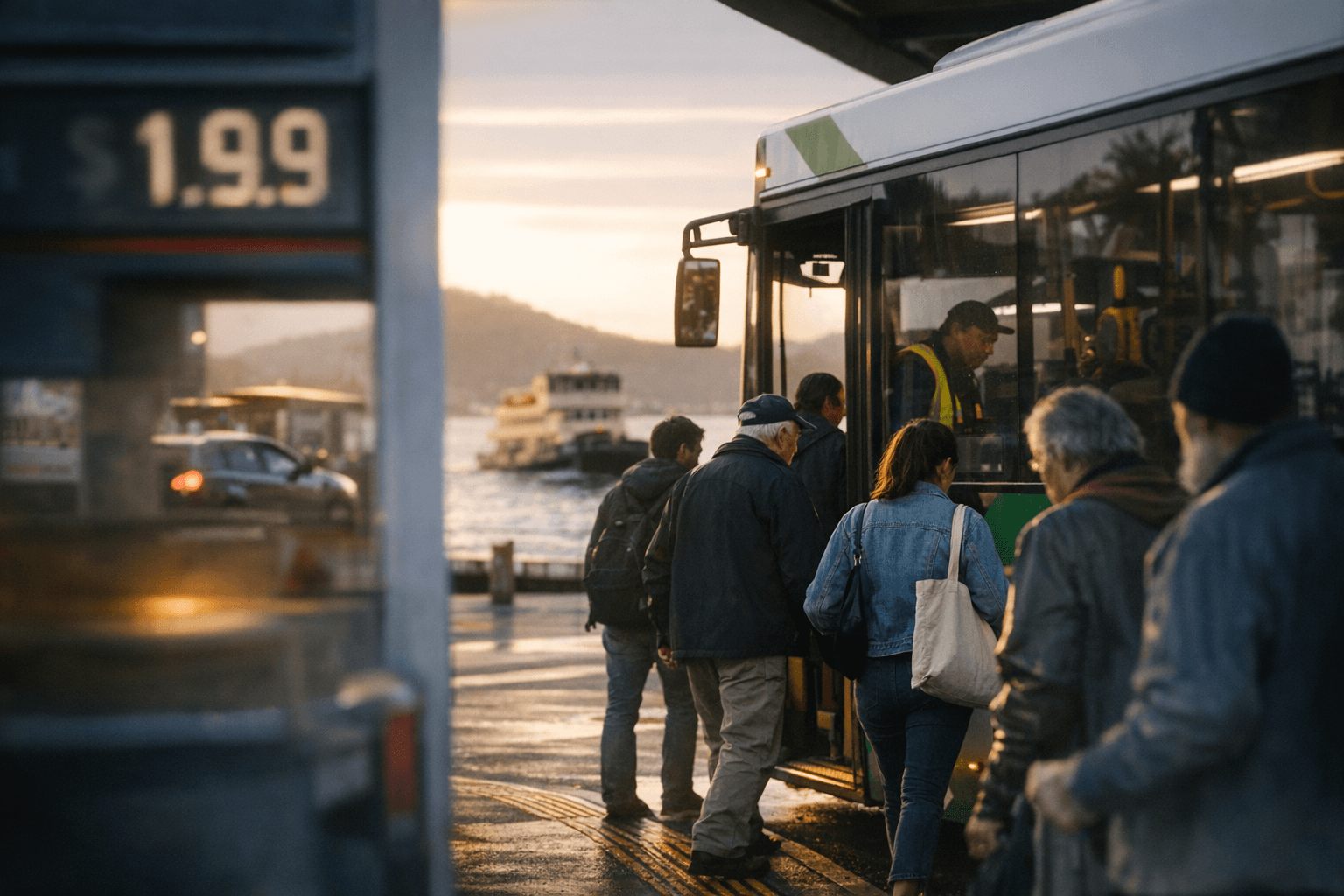
Prime Minister Anthony Albanese moved to reassure markets that near-term supply remains secure. The federal government is expected to introduce new powers in Parliament to underwrite private sector fuel purchases from international markets, a step aimed at giving Canberra direct leverage over supply as commercial importers navigate a compressed and volatile global market.
Not every state government reached the same conclusion about the transit fix. New South Wales, Western Australia, Queensland and South Australia all ruled out fare-free public transport, saying they would pursue other forms of cost-of-living relief instead.
The measures in Victoria and Tasmania are temporary by design, but they demonstrate how far and how intensely the oil shock from the Iran war has spread, reaching a country that imports the majority of its refined fuel and now faces the compounding pressure of a supply crunch and rising inflation that will keep the Reserve Bank of Australia in a difficult position for months to come.
This article was produced by Prism’s automated news system from verified source data, official records, and press releases, then run through automated quality and moderation checks before publishing. The system is built and supervised by the people who set the standards it runs under. Read our full AI policy.
Did this article answer your question?


