Vietnam clamps down at party congress with offline tablets
Delegates to the Communist Party congress were barred from phones and issued offline Samsung tablets as security and information controls tightened.
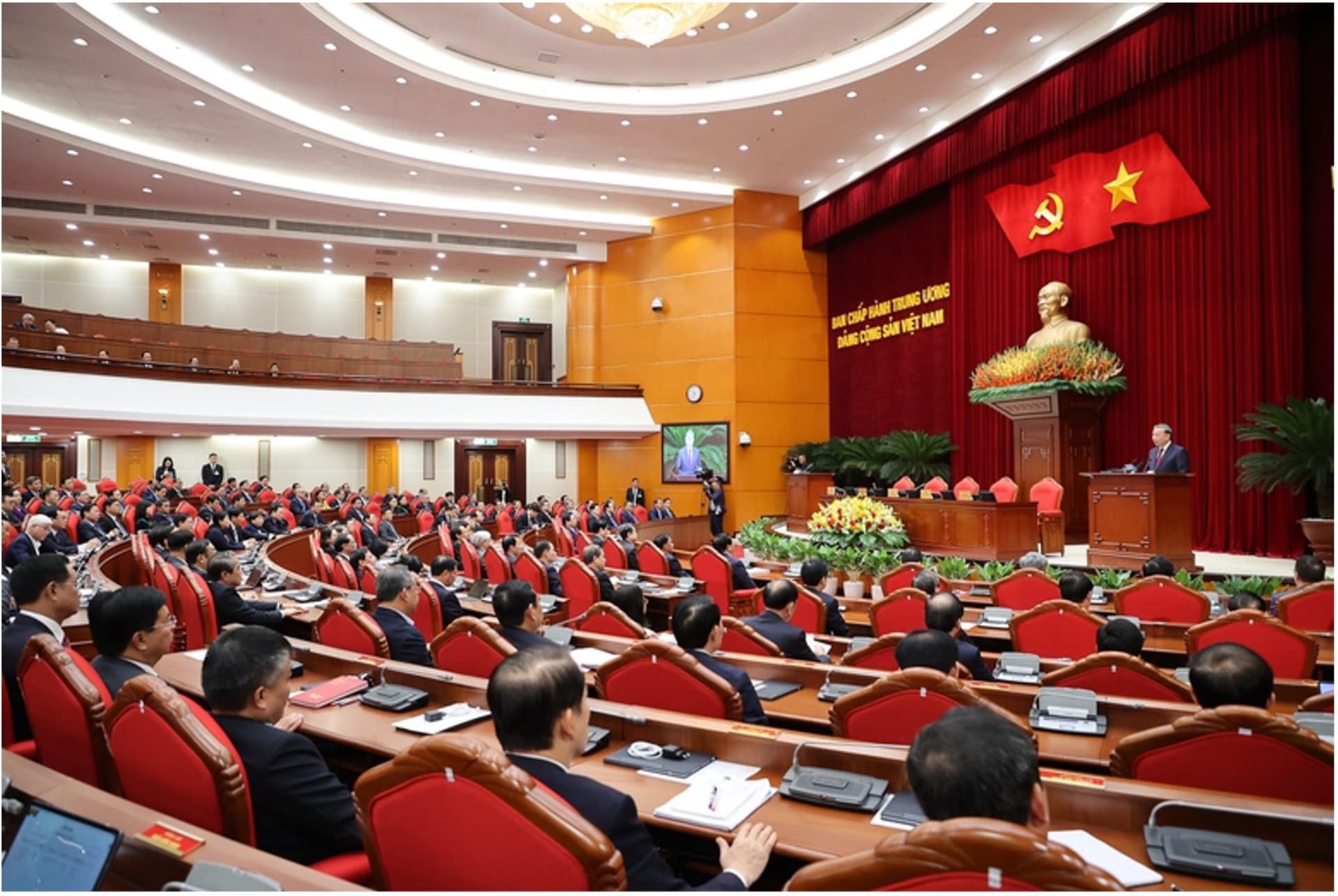
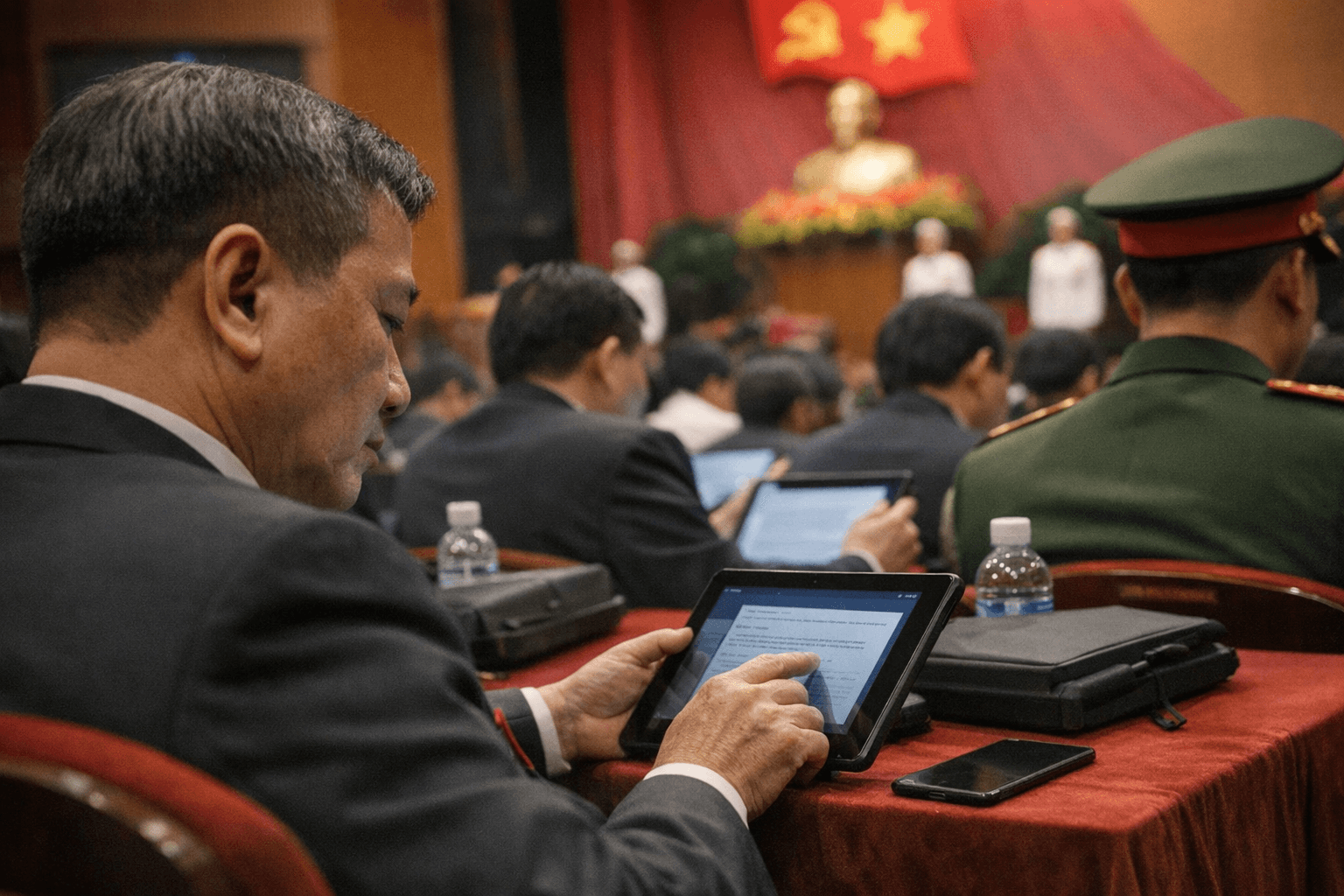
Delegates at Vietnam’s Communist Party congress in Hanoi are being denied mobile phones and supplied with Samsung tablets that have no internet access as authorities tighten security and information controls around the week‑long meeting. The congress, which opened today, convenes roughly 1,600 delegates representing about 5.6 million party members across a population of roughly 100 million to choose leadership for the 2026–2030 term.
Organizers issued tablets limited to intranet functions so delegates can work on internal documents during sessions, people briefed on the matter said. Mobile‑network disruptions were reported in and around the convention centre by an on‑site reporter, and delegates were told they would be prevented from carrying mobile phones at the congress from Jan. 20, according to sources. Delegates, including those from Hanoi, were also instructed to remain in designated accommodation for the duration of the meeting.
Media covering the event face similar restrictions. Guidelines provided to reporters prohibit them from carrying mobile phones and allow them to use personal computers only if they connect to the event’s network. Security around the National Convention Centre is visibly tightened with a heavy police and military presence and road closures in surrounding areas.
A preparatory session held in a red‑carpeted hall featured senior officials seated beneath a towering statue of Ho Chi Minh and images of Karl Marx and Vladimir Lenin. Officials present included National Assembly Chairman Tran Thanh Man; President Luong Cuong; Communist Party General Secretary To Lam; Prime Minister Pham Minh Chinh; and Tran Cam Tu, a permanent member of the Party Central Committee’s Secretariat.
Delegates will vote during the congress week to elect a 200‑member Central Committee that will oversee major state institutions and select a Politburo responsible for naming the country’s top leaders for the next five years. Media and analysts note speculation that incumbent General Secretary To Lam is seeking reconfirmation and expanded powers, a prospect that would shape policymaking and bureaucratic control in the years ahead.
Human Rights Watch criticized the process as restrictive, saying the leadership‑selection process is "undemocratic and opaque," and warned that public discussion of candidates is barred. Patricia Gossman, senior associate Asia director at Human Rights Watch, cautioned of “escalating arrests and jailing [of] prominent critics ahead of Vietnam’s Communist Party Congress,” and said authorities gag those perceived likely to complain about the process.
For markets and investors, the gathering signals continuity of Vietnam’s one‑party governance but also underscores growing state control over information and digital communications. Tightened security and opaque personnel choices can increase political risk premiums for foreign businesses seeking predictability in regulation and enforcement, even as policymakers generally emphasize stability to sustain investment and growth.
Longer term, the measures at the congress reflect a broader trend toward intensified surveillance and information management by state institutions. How the newly constituted Central Committee and Politburo balance control with economic openness will be a central question for Vietnam’s policy trajectory and its appeal to international investors in the coming years.
This article was produced by Prism’s automated news system from verified source data, official records, and press releases, then run through automated quality and moderation checks before publishing. The system is built and supervised by the people who set the standards it runs under. Read our full AI policy.
Did this article answer your question?