Vietnam's Communist Party Wins 482 of 500 Parliamentary Seats in Near-Total Sweep
Vietnam's Communist Party claimed 482 of 500 National Assembly seats, with turnout hitting 99.70% — and General Secretary To Lam is now expected to add the presidency.
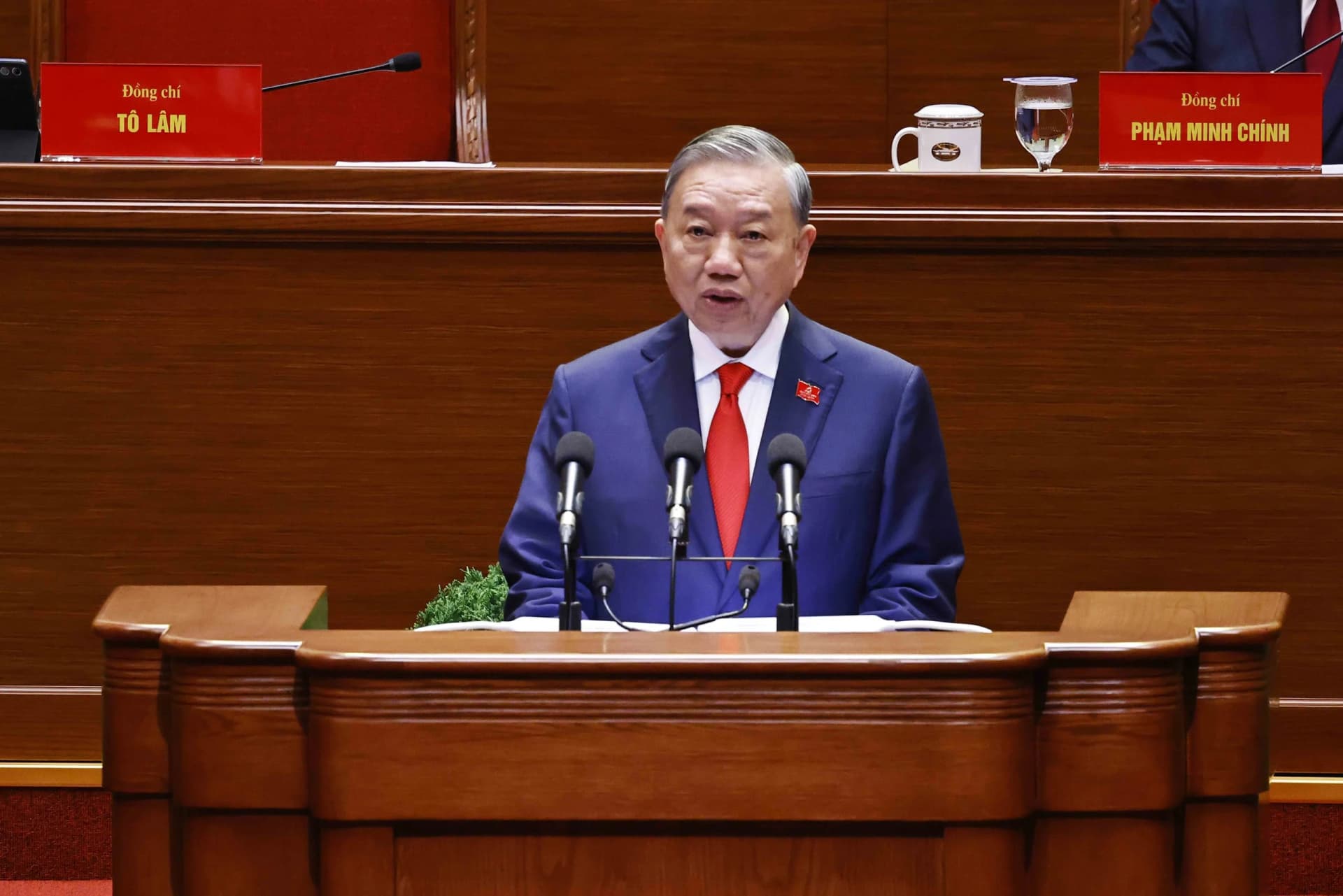
Vietnam's Communist Party secured 482 of 500 seats in the National Assembly, official results released March 22 showed, capturing nearly 97% of the unicameral legislature in a vote where almost all candidates were drawn from the ruling party's ranks and turnout, according to the National Election Council, reached 99.70%.
The 482-seat result represents a net loss of three seats from the outgoing parliament, which the party held with 485 members. Independents picked up four seats to finish with 18, the National Election Council reported. A majority requires 251 seats.
The candidate pool offered little structural competition. Of 864 candidates contesting 500 seats across 182 constituencies, nearly 93% were Communist Party members, while independents made up just 7.5% of the field, down from 8.5% in the 2021 election cycle. The National Election Council reported 76,198,214 votes cast from a registered electorate of 76,423,940, a turnout figure consistent with the pattern noted by Vietnam's state news agency: turnout has exceeded 99% in each of the last seven parliamentary elections.
The new assembly is scheduled to convene its first weeks-long plenary session beginning April 6. During that session, lawmakers are due to confirm state leaders nominated by the party, including the prime minister and president. To Lam, confirmed as general secretary at the Communist Party's January congress, is widely expected to be chosen as president as well. That outcome would mirror the model established by Chinese leader Xi Jinping, who holds both the general secretary and presidential roles simultaneously. Vietnam and China, despite a long history of mistrust and territorial disputes over islands and waters in the South China Sea, maintain officially close party-to-party relations.
The National Assembly's role in this process is largely ceremonial on matters of power. The body has virtually no authority to challenge the party's key decisions, including on personnel appointments, though it has occasionally amended proposed legislation.
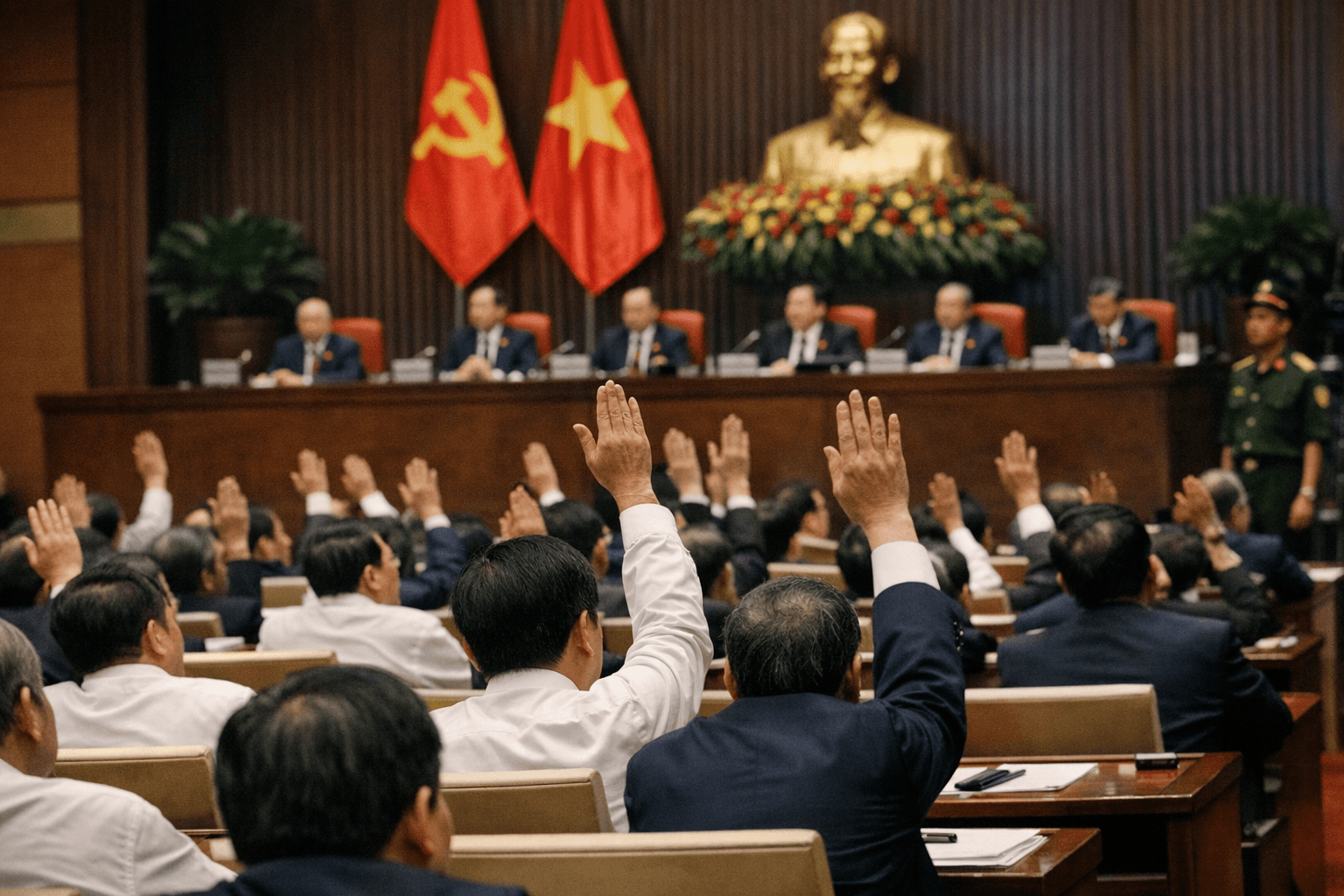
At polling stations on election day, voters expressed measured optimism. Phan Nam Khanh, 22, casting his ballot for the first time, said he hoped "the representatives elected will guide young people in the right direction and introduce policies that better support youth." Nguyen Thi Hoa, 67, noted a quieter atmosphere than in previous elections, with fewer street decorations and less use of loudspeakers. "I still feel eager to cast my vote and hope the new leaders will speak up for our interests and work on cutting bureaucracy," she said.
Parliament Chairman Tran Thanh Man had told local media that results would be announced March 23, though the parliament released official figures a day earlier, on March 22.
Vietnam's economy is undergoing significant reforms under To Lam's leadership, and voters interviewed at polling stations were broadly hopeful that the incoming assembly would continue the modernization drive. The election concluded as Vietnam, along with many countries, navigates the economic spillover from the deepening Middle East crisis affecting global trade, energy markets and regional stability.
This article was produced by Prism’s automated news system from verified source data, official records, and press releases, then run through automated quality and moderation checks before publishing. The system is built and supervised by the people who set the standards it runs under. Read our full AI policy.
Did this article answer your question?


