Vintage wedding dresses drive viral daughter-mother try-on trend, bridal reuse surges
Daughters are unboxing mothers’ wedding gowns as thrifted or sustainably sourced looks rose from 14% to 17% in Zola’s survey.
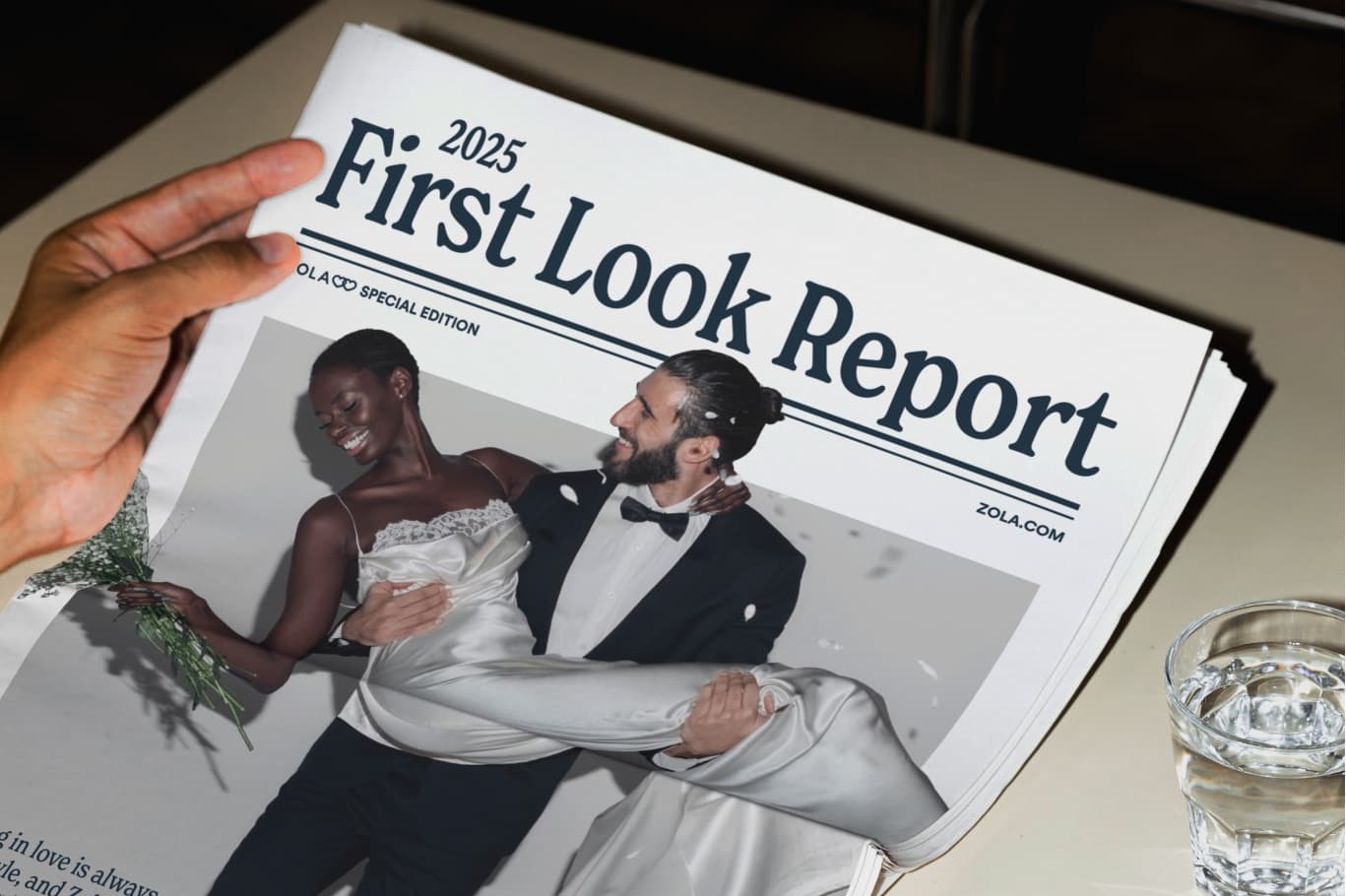
Bridal nostalgia has become a savings strategy. Across TikTok and family living rooms, daughters are unboxing mothers’ wedding gowns, trying them on, and sometimes turning them into new heirloom pieces, a sign that memory and budget pressure are now meeting in the same fitting room.
The numbers show the shift is not just sentimental. Zola’s 2025 First Look Report surveyed close to 6,000 couples getting married in 2025 and found that the share who thrifted or sustainably sourced their wedding looks rose from 14% in 2024 to 17% in 2025. That climb is expected to continue into 2026 as the vintage bridal market expands and more couples search for ways to reduce costs without losing the symbolism of the dress.
The trend has found a ready audience online because it offers both spectacle and inheritance. A TikTok account, Unbox the Dress, posted a mother-daughter heirloom video showing a wedding gown transformed into keepsake pieces. Designer Lovell Faye has taken the same idea further, reconstructing mothers’ wedding dresses into more modern styles, giving brides something old and new at once. The appeal is obvious in a wedding economy where every alteration, accessory, and garment choice can add pressure. Reuse can feel less like compromise than survival.
By November 2025, the reuse story was already widening beyond one viral format. More brides were repurposing their mothers’ gowns, linking the practice to rising wedding costs and sustainability. Vintage bridal fashion is now carrying a cultural meaning that goes beyond aesthetics. It is a way to honor mothers, grandmothers, and, in some families, late mothers who are still present through fabric and stitching.
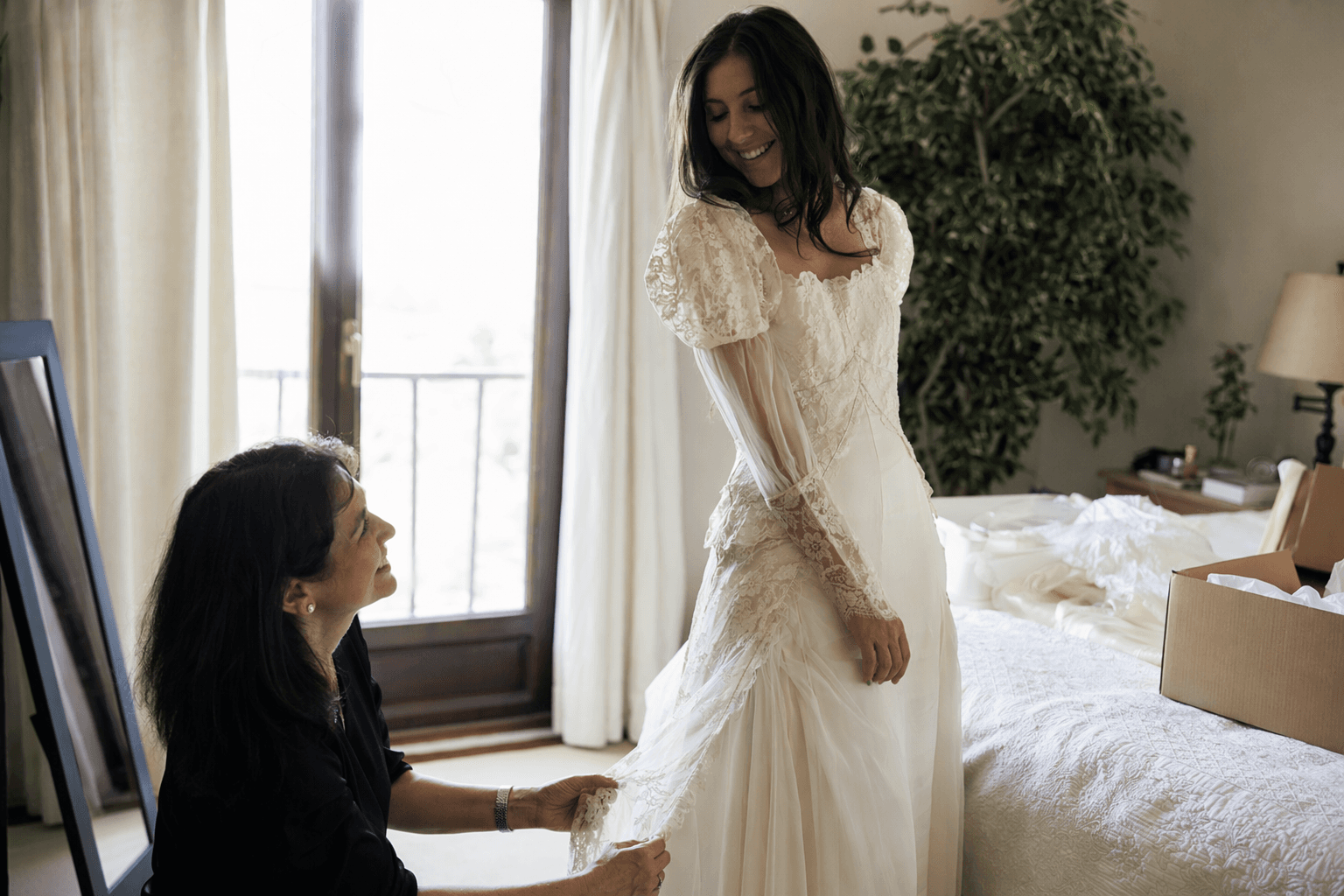
That generational thread is visible in one of the most striking family examples. ABC7 reported on a $100 satin wedding dress worn by eight brides over more than seven decades. Adele Larson first wore the gown when she married Roy Stoneberg on Sept. 16, 1950. The dress later became a shared family artifact, passed from bride to bride as styles changed around it.
What is driving the trend is not only nostalgia. In an era of expensive weddings, sentimental reuse is becoming a practical response to unequal access and rising costs. For some families, a wedding dress is no longer a one-day purchase. It is a financial decision, a cultural keepsake, and, increasingly, a visible form of continuity.
This article was produced by Prism’s automated news system from verified source data, official records, and press releases, then run through automated quality and moderation checks before publishing. The system is built and supervised by the people who set the standards it runs under. Read our full AI policy.
Did this article answer your question?