Viral Epstein-files screenshot falsely claimed investors planned "WW3" on Feb. 8
U.S. fact-checkers debunked a widely shared screenshot that purported to show an email from Epstein files planning "WW3," averting a wave of fabricated panic.
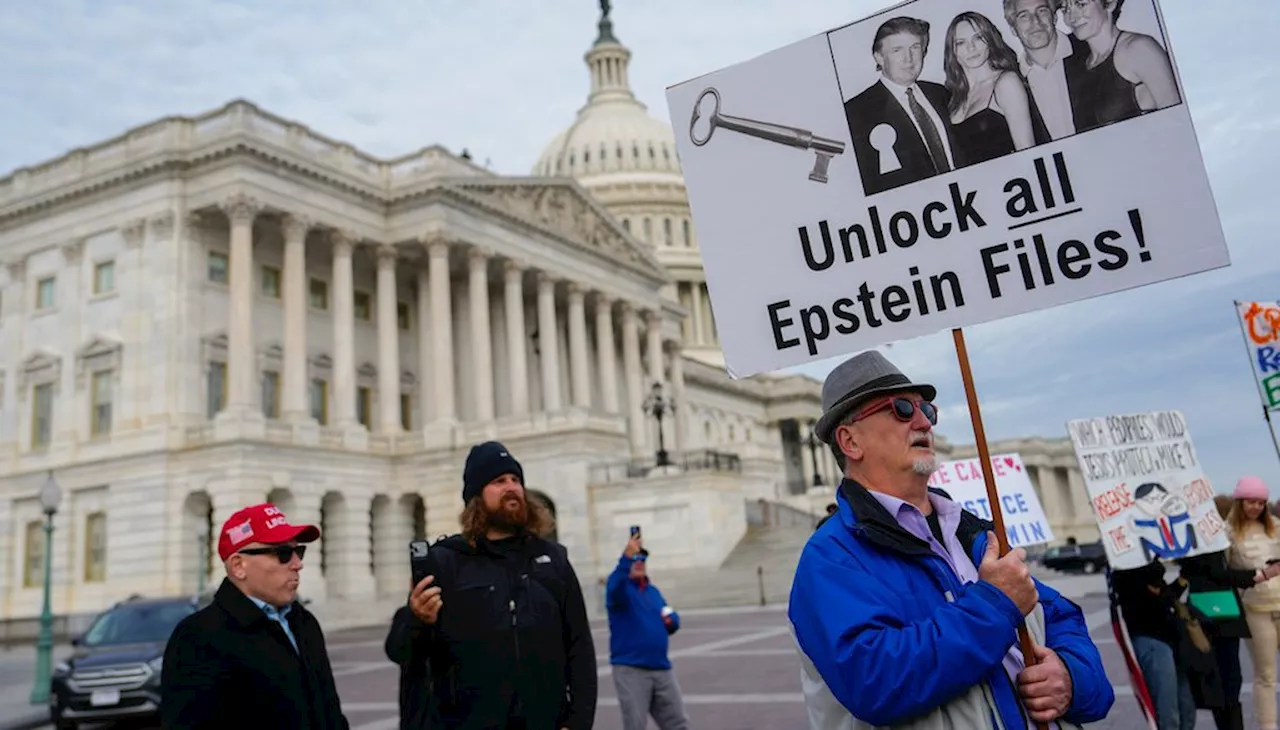
A widely shared screenshot that purported to show an email from newly released Jeffrey Epstein files claiming investors planned "WW3" on Feb. 8, 2026 was investigated and found to be fabricated by multiple independent U.S. fact-checking organizations. The image, distributed across social media on Feb. 7, briefly circulated as evidence of a clandestine plan to trigger global conflict, prompting rapid verification efforts by journalists and digital forensics teams.
The screenshot referenced the batch of documents released in recent months connected to Epstein and his networks, material that has repeatedly become a focal point for conspiracy theories and speculative claims. In this instance, the viral image presented a purported internal communication that tied unnamed investors to a plotted escalation on Feb. 8, 2026. Fact-checkers determined that the screenshot did not originate from the released files and that the claim lacked corroborating documentary support.
The swift debunking by independent verification teams limited the spread of the false narrative, but the episode underscores how volatile disinformation can become when tied to high-profile archives. Released court and investigative records carry intrinsic authority; when fabricated elements are grafted onto genuine material, audiences can be misled even when clear provenance is absent.
Misinformation suggesting imminent armed conflict carries particular international risk. In an era of heightened geopolitical tension, false claims about planned hostilities can produce real-world consequences: market volatility, diplomatic alarm, and public fear. Digital verification capacity has improved, but platforms and consumers remain vulnerable when sensational fabrications are readily sharable and when archival material circulates without context.
Legal and diplomatic actors also pay attention to the political utility of archival leaks. International law frameworks do not create specialized rules for digital hoaxes, but states and institutions often respond to destabilizing falsehoods with a mix of public refutation, legal threat, and counter-messaging. In this case, the rapid consensus among U.S. fact-checkers reduced the likelihood of official escalatory responses, yet the incident highlights the need for cross-border information diplomacy and clearer pathways for correcting viral falsehoods.
The episode illuminates several persistent challenges for journalists and verification teams. First, large document releases attract opportunistic falsifiers who overlay invented communications onto authentic material. Second, social media platforms must balance rapid removal of dangerous misinformation with due process and transparency. Third, audiences must be educated to treat archival screenshots with skepticism and to seek primary sources.
For the global audience, the key takeaway is that not every dramatic claim tied to high-profile records should be accepted at face value. Verification practices that compare alleged messages against original records, examine metadata where available, and rely on multiple independent checks remain essential. The collective response by verification teams in this case demonstrates that improved rapid-response fact-checking can blunt the impact of dangerous fabrications, though the underlying threats of misinformation to international stability remain acute.
This article was produced by Prism’s automated news system from verified source data, official records, and press releases, then run through automated quality and moderation checks before publishing. The system is built and supervised by the people who set the standards it runs under. Read our full AI policy.
Did this article answer your question?

