Viral Post Falsely Claims Trump Agreed to $14 Billion Iran Oil Handout
A viral post falsely claimed Trump agreed to hand Iran $14 billion — Snopes debunked it as a distortion of the sanctions decision.
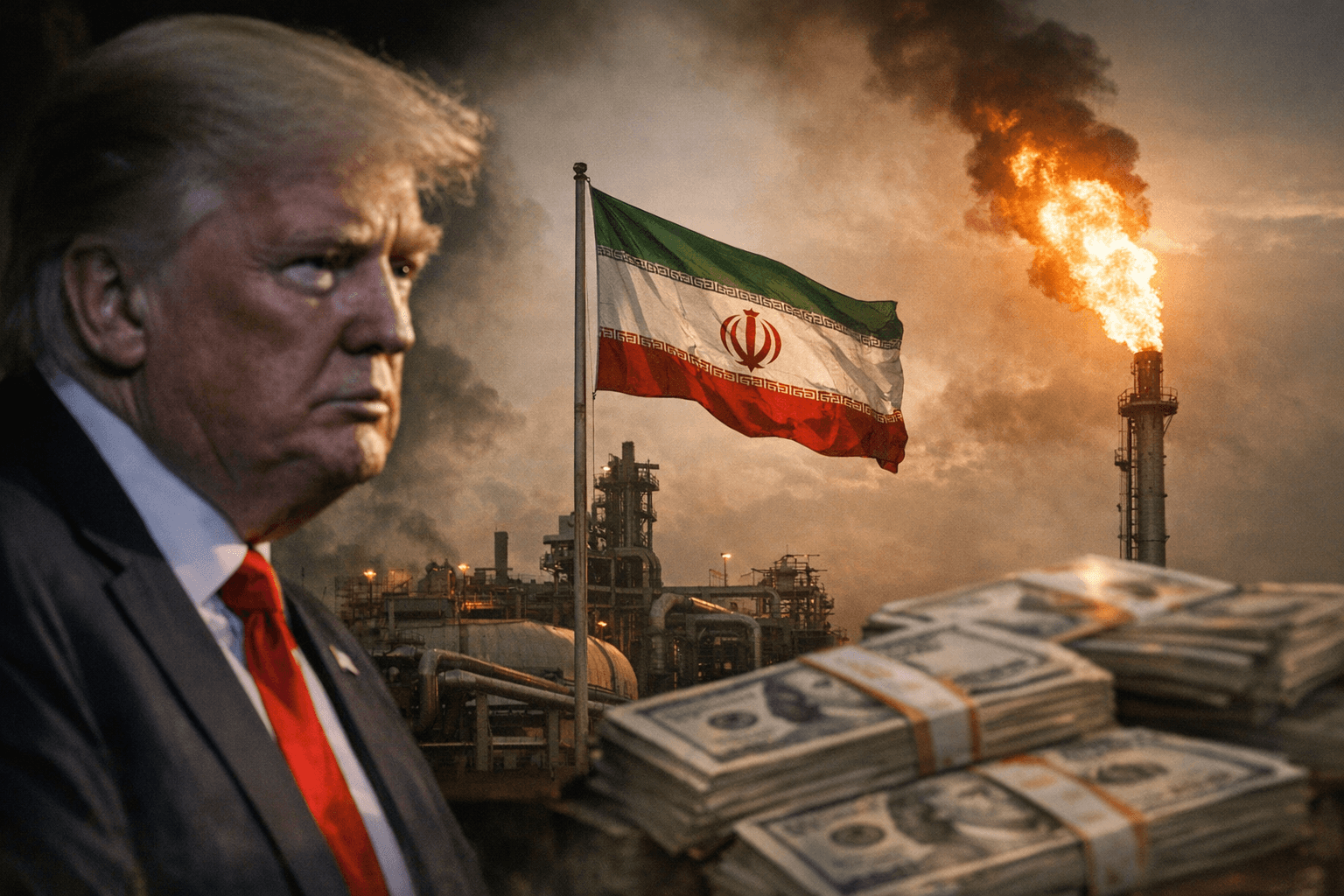
A social media post that spread widely on Tuesday falsely claimed President Donald J. Trump had agreed to transfer $14 billion to Iran as an "oil handout," framing the move as evidence the White House was conceding to Tehran amid an active U.S.-Iran war. Snopes debunked the claim.
The viral post distorted a real and politically contentious policy action. The Treasury Department lifted sanctions on 140 million barrels of Iranian crude already loaded onto vessels, a move the Trump administration said would help ease oil prices but which is also likely to provide revenue for Iran's war effort. Critics estimated the value of that oil revenue at roughly $14 billion, a figure a Democratic senator cited openly. "We're going to give Iran $14 billion to fund this war with the United States," the senator said. "We're going to give Russia billions of dollars to fund their war with Ukraine. We're literally putting money into the pockets of the very nations that we are fighting right now."
But the viral post went further, presenting the transaction as a direct handout Trump had personally "agreed" to give Iran, framing it as a negotiating capitulation rather than an energy market intervention. That characterization is false. Treasury Secretary Scott Bessent framed the sanctions move as "using the Iranian barrels against Tehran to keep the price down as we continue Operation Epic Fury."
The post circulated in a volatile information environment. Roughly $580 million worth of oil futures changed hands in a single minute early Monday morning, only about 15 minutes before Trump posted on Truth Social that the U.S. had been engaged in "productive conversations" with Iran to end the war. That sudden market movement has already drawn its own wave of claims and counterclaims about potential insider trading. Claims that people close to, or within, the Trump administration placed bets based on insider knowledge spread as U.S. forces made incursions into other countries in early 2026.
The broader context involves a U.S.-Iran conflict now entering its fourth week, with energy markets severely disrupted. Roughly 20% of global oil and gas typically passes through the Strait of Hormuz. The global oil benchmark settled above $112 a barrel, the highest level since mid-2022. The Trump administration's decision to ease Iranian oil sanctions was explicitly tied to those soaring prices, not to any concession in peace negotiations.
The confusion is compounded by sharply conflicting signals from both governments. Trump said the U.S. and Iran are "in negotiations right now" and suggested Tehran is eager to make a peace deal, even as the Islamic Republic has denied it is in direct talks with Washington. Trump previously said U.S. special envoy Steve Witkoff and Jared Kushner, his son-in-law and close advisor, were in talks with Iranian counterparts on Sunday evening. Iran's parliament speaker Mohammad-Bagher Ghalibaf dismissed the U.S. account as disinformation, calling the claim "fakenews" used to "manipulate the financial and oil markets."
Misinformation tied to the Iran conflict has surged across platforms since late February. Rumors of insider trading have surged amid the growth of prediction markets, betting sites that allow people to gamble on everything from election outcomes to sports games and foreign relations. Snopes has been tracking and debunking a wave of such claims, including a separate viral post alleging Barron Trump bought $30 million in oil days before the war began, a claim that also lacked any credible evidence.
The actual policy debate over sanctions relief is substantive and unresolved. The administration is effectively authorizing what could provide billions in revenue directly to the regime it is fighting, and it is doing so without requiring any reporting on who buys the oil, who sells it, how much it is bought for, or how the proceeds reach Tehran. That is a legitimate policy controversy. The viral post's error was converting that controversy into a fictitious agreement, stripping the nuance that distinguishes a contested wartime economic decision from a deliberate transfer of funds to an adversary.
This article was produced by Prism’s automated news system from verified source data, official records, and press releases, then run through automated quality and moderation checks before publishing. The system is built and supervised by the people who set the standards it runs under. Read our full AI policy.
Did this article answer your question?

