Virginia beagle facility to close permanently after animal welfare case
More than 4,000 beagles were pulled from Envigo’s Virginia site in 2022, and the last nearly 500 will now be moved as the facility shuts for good.

The last nearly 500 beagles will be moved out of Envigo’s Cumberland County breeding site as the longtime Virginia facility shuts permanently, closing the book on one of the country’s most damaging animal-welfare and water-pollution cases. The closure ends USDA-licensed activity at the site and follows years of federal scrutiny over how the dogs were housed, treated and, in the government’s view, denied basic care.
The case began to break open in 2022, when federal officials rescued more than 4,000 beagles from the facility in Cumberland County, Virginia. Investigators said the dogs had been deprived of adequate veterinary care, staffing and safe living conditions, while the company also faced allegations of Clean Water Act violations tied to wastewater-treatment failures that led to unlawful discharges into a local waterway. Humane World for Animals said it assisted in the rescue of about 445 dogs and puppies in acute distress and helped transfer the remaining nearly 4,000 beagles.
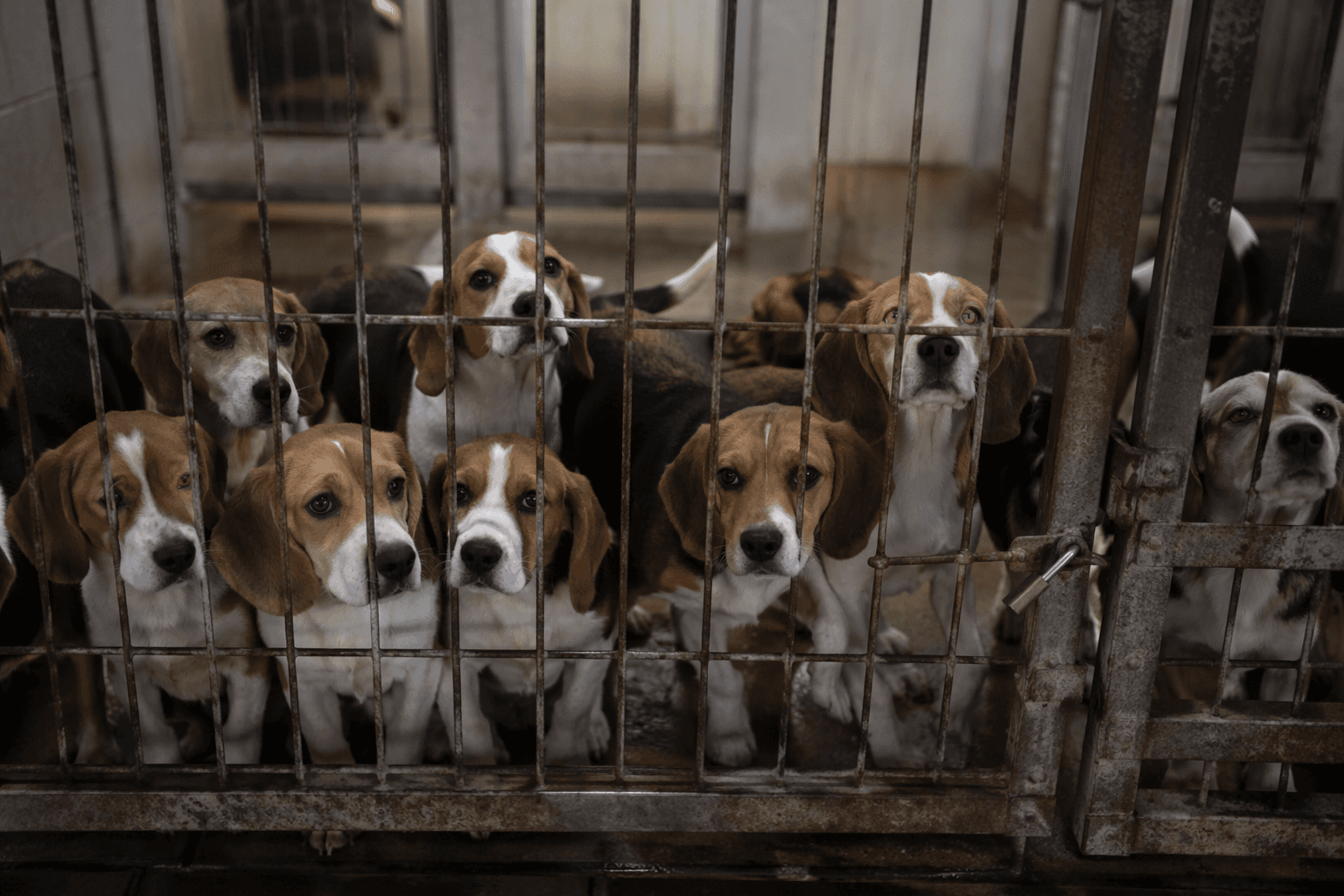
Inotiv, Envigo’s parent company, said on July 18, 2022, that Envigo had reached a settlement with the Justice Department and the Agriculture Department resolving civil and administrative complaints tied to the Cumberland facility. Inotiv said the site accounted for less than 1% of total sales and was no longer profitable in its Research Models and Services segment, and later said the location had been recognized as needing major improvements and investments.
The case escalated again on June 3, 2024, when Envigo RMS, LLC pleaded guilty to conspiring to violate the Animal Welfare Act and Envigo Global Services, Inc. pleaded guilty to conspiring to violate the Clean Water Act. The resolution required more than $35 million in payments, including a $22 million criminal fine, at least three years of probation and a compliance monitor. It also required Inotiv to spend at least $7 million to improve facilities and personnel beyond Animal Welfare Act standards.
The payments included about $1.9 million to the Humane Society of the United States, about $1.1 million to the Virginia Animal Fighting Task Force and $3.5 million to the National Fish and Wildlife Foundation for restoration work in Cumberland County. Federal officials called the resolution precedent-setting, and the Justice Department said it marked the largest agreed-to fine in an Animal Welfare Act case.
The shutdown of the Cumberland site has turned a local enforcement action into a national marker for purpose-bred research dogs. The scale of the rescue, the breadth of the violations and the permanent closure together made the case a symbol of how quickly oversight failures can spread from animal welfare to corporate accountability and environmental damage.
This article was produced by Prism’s automated news system from verified source data, official records, and press releases, then run through automated quality and moderation checks before publishing. The system is built and supervised by the people who set the standards it runs under. Read our full AI policy.
Did this article answer your question?