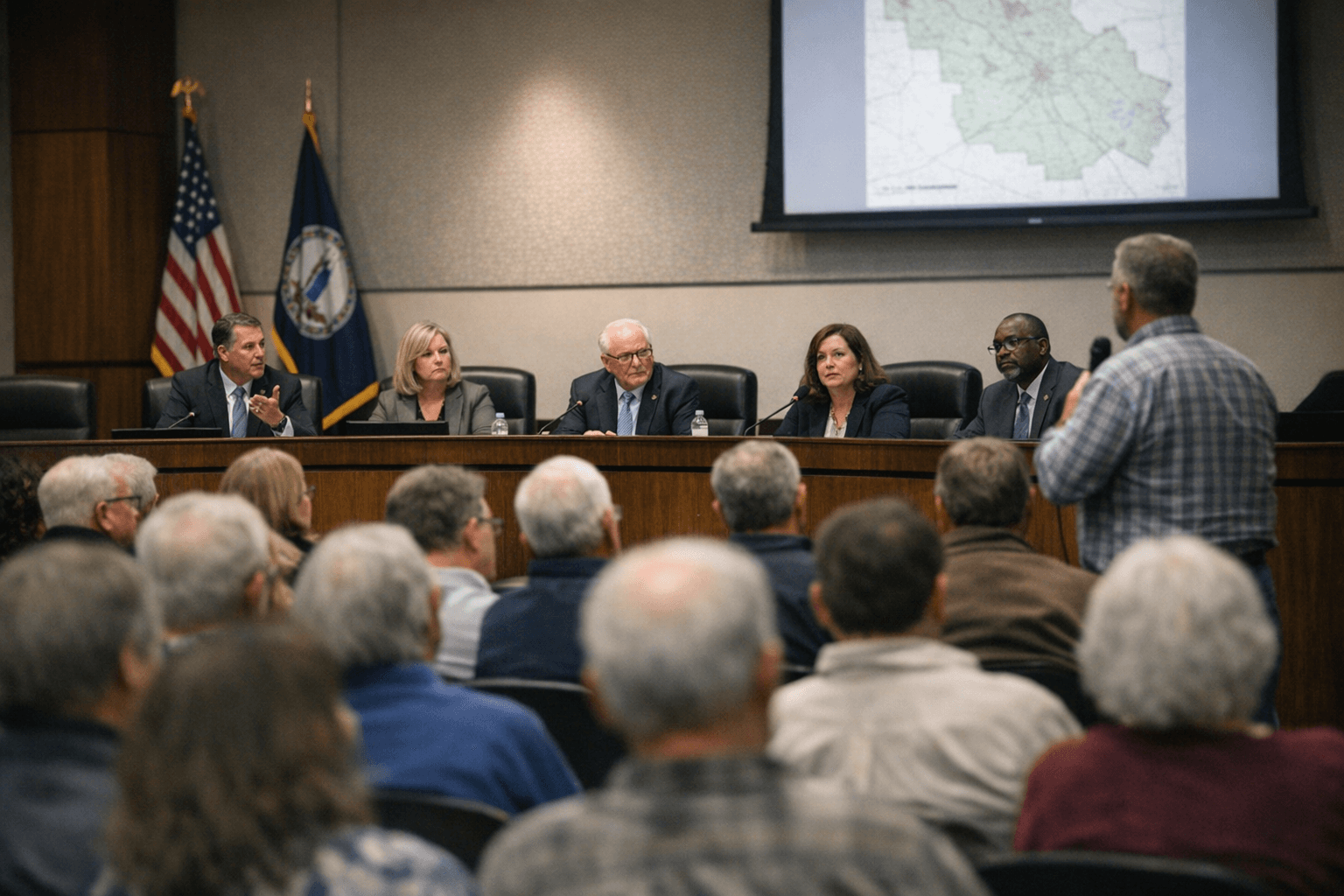
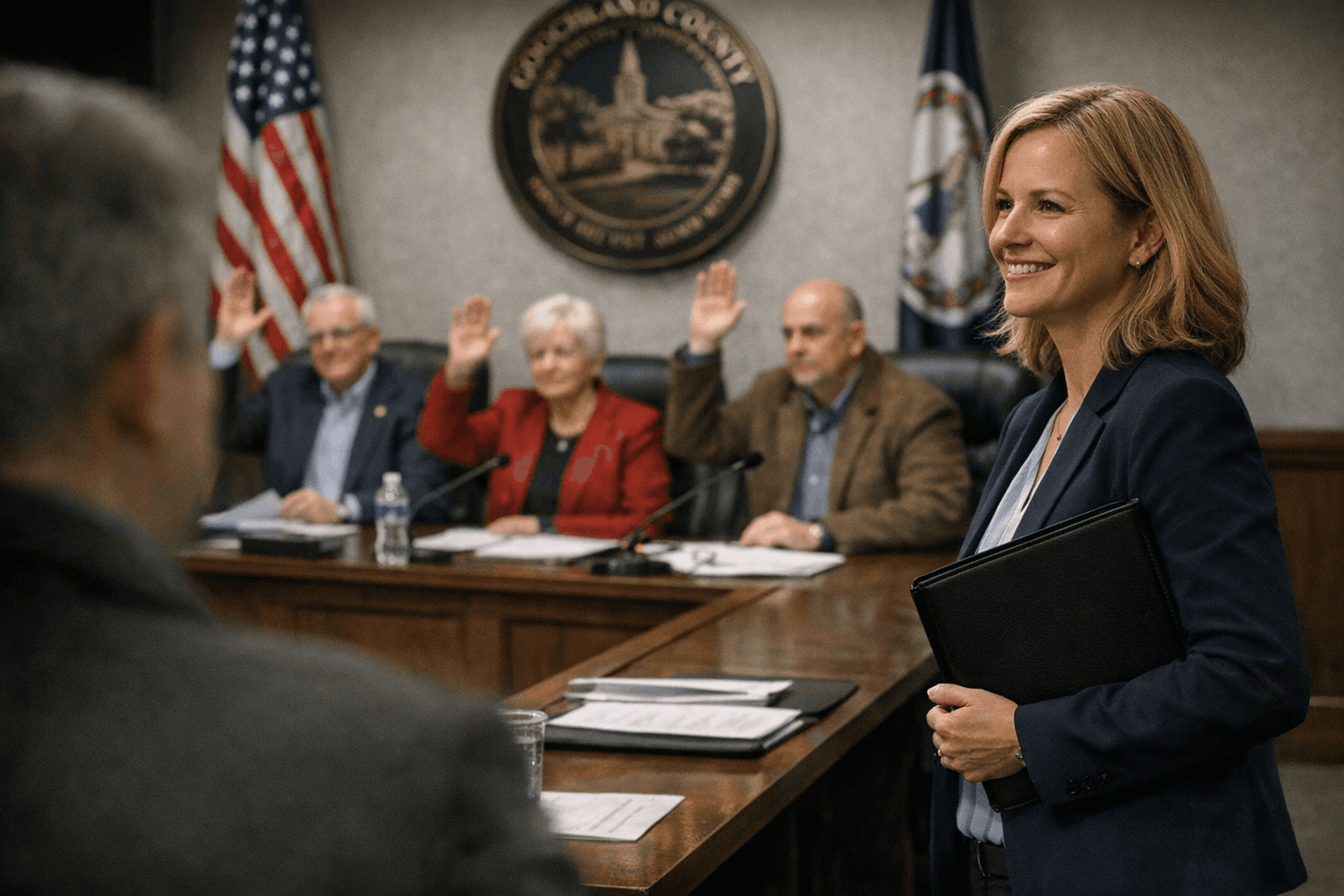
Virginia bills expanding public-sector collective bargaining advance, Goochland officials weigh impacts
Sen. Scott Surovell is carrying a bill that would strip local permission requirements for collective bargaining, a change that could affect Goochland County budgets and school staffing decisions.

Sen. Scott Surovell is carrying one of several competing measures in Richmond that would remove the current requirement that local governments or school boards approve collective bargaining for public employees, a change that would shift the decision now held by bodies such as the Goochland County Board of Supervisors. The proposals, advanced by Democratic lawmakers, would expand collective bargaining rights to almost all local public workers and to many state sector workers.
Virginia first allowed local public‑sector bargaining in 2021, but only when a county board or school board gave permission. The bills moving through the General Assembly would eliminate that permission gate, creating a statewide baseline right for most local employees while leaving specific carve‑outs in different versions. One explicit example in the legislation is that sheriff’s deputies would, under at least some versions, still require approval from their elected sheriff rather than automatic inclusion.
Republican lawmakers and local government groups have framed the change in fiscal terms. Senate Minority Leader Ryan McDougle of Hanover warned that the expansion would raise taxpayer costs: "Collective bargaining will be incredibly expensive for every Virginian. Make no mistake." McDougle also cited a Chesterfield County estimate, saying, "Chesterfield estimated their cost could go up over 25 cents for their real estate tax, if it's imposed. It is expensive for Virginians. It does not make their life more affordable, and we should not be passing it."
The Virginia Association of Counties also opposes the legislation, arguing it would "curtail local authority and create substantial local fiscal impact." VACo pointed to estimates from some localities showing potential added costs to local budgets ranging from $50,000 to $400,000,000 depending on the size of the jurisdiction, a range that county finance offices from Goochland to larger jurisdictions will need to test against local payrolls and contract practices.
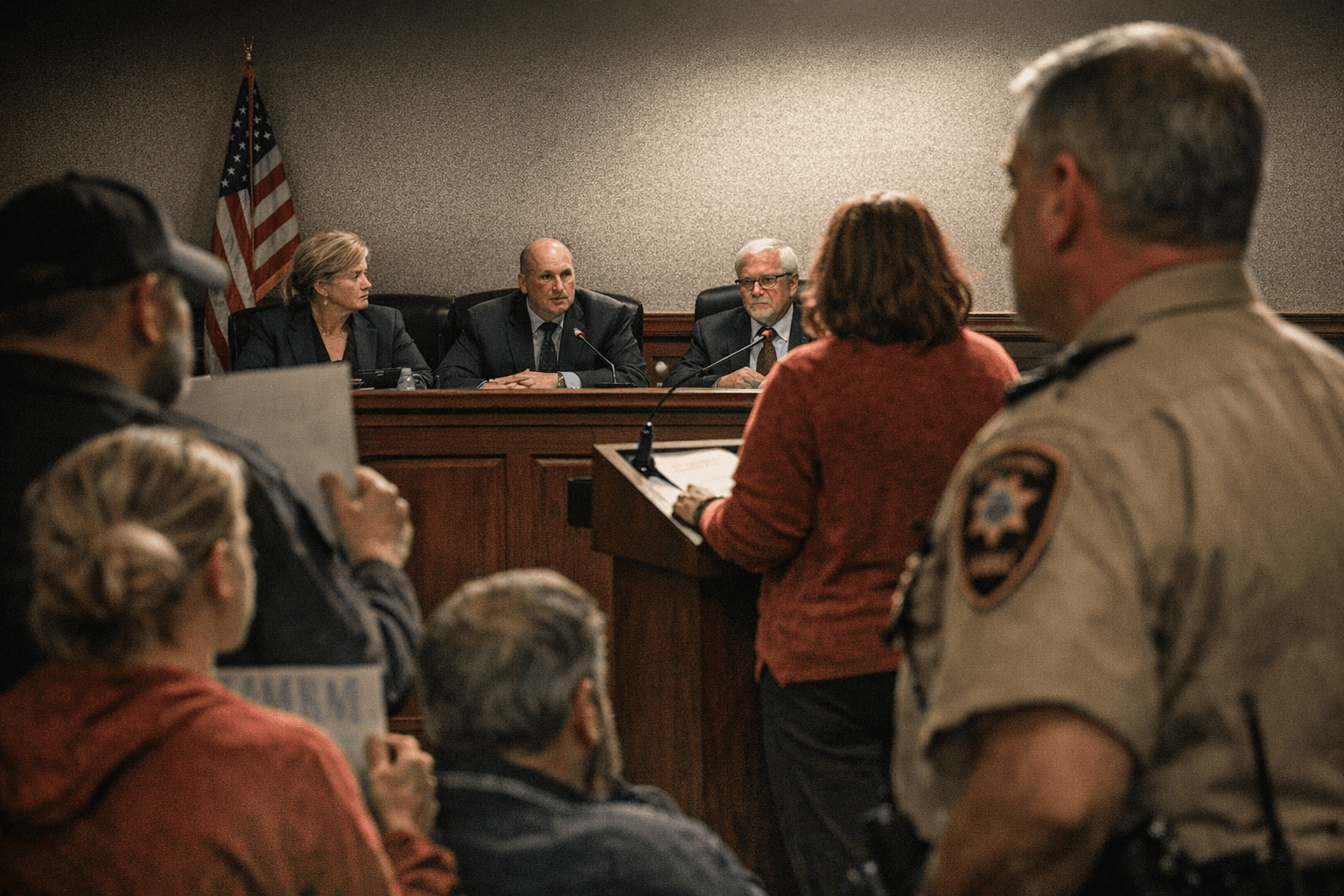
For Goochland County, the practical questions are concrete: would expanded bargaining apply to classroom support staff or to county public‑works crews, how would any negotiated pay or benefits be funded, and whether the county’s current real estate tax rate or service levels would need adjustment to cover new obligations. Goochland County Public Schools and the Board of Supervisors, which currently hold the authority to permit bargaining under the 2021 framework, would see that choice move off local calendars if a bill without the permission requirement becomes law.
Legislative process details remain important. Multiple "competing measures" are in play in the General Assembly, and Sen. Surovell is listed as the sponsor of at least one version; each version includes different exclusions and carve‑outs that could materially affect which Goochland employee groups are covered and what bargaining procedures would apply. As the bills advance through committee and potentially to floor votes, county officials and the school division will need line‑by‑line analyses of bill text, fiscal impact statements, and any proposed arbitration or funding rules to assess exposure and next steps.
Sources:
Know something we missed? Have a correction or additional information?
Submit a Tip