Vogue Criticizes Red Carpet Dress Codes for Stifling Fashion Innovation
Vogue’s Hannah Jackson argues that strict red-carpet dress codes at awards like the SAG enforce rote gowns and tuxedos, stifling creativity and burdening actors, stylists, and brands.
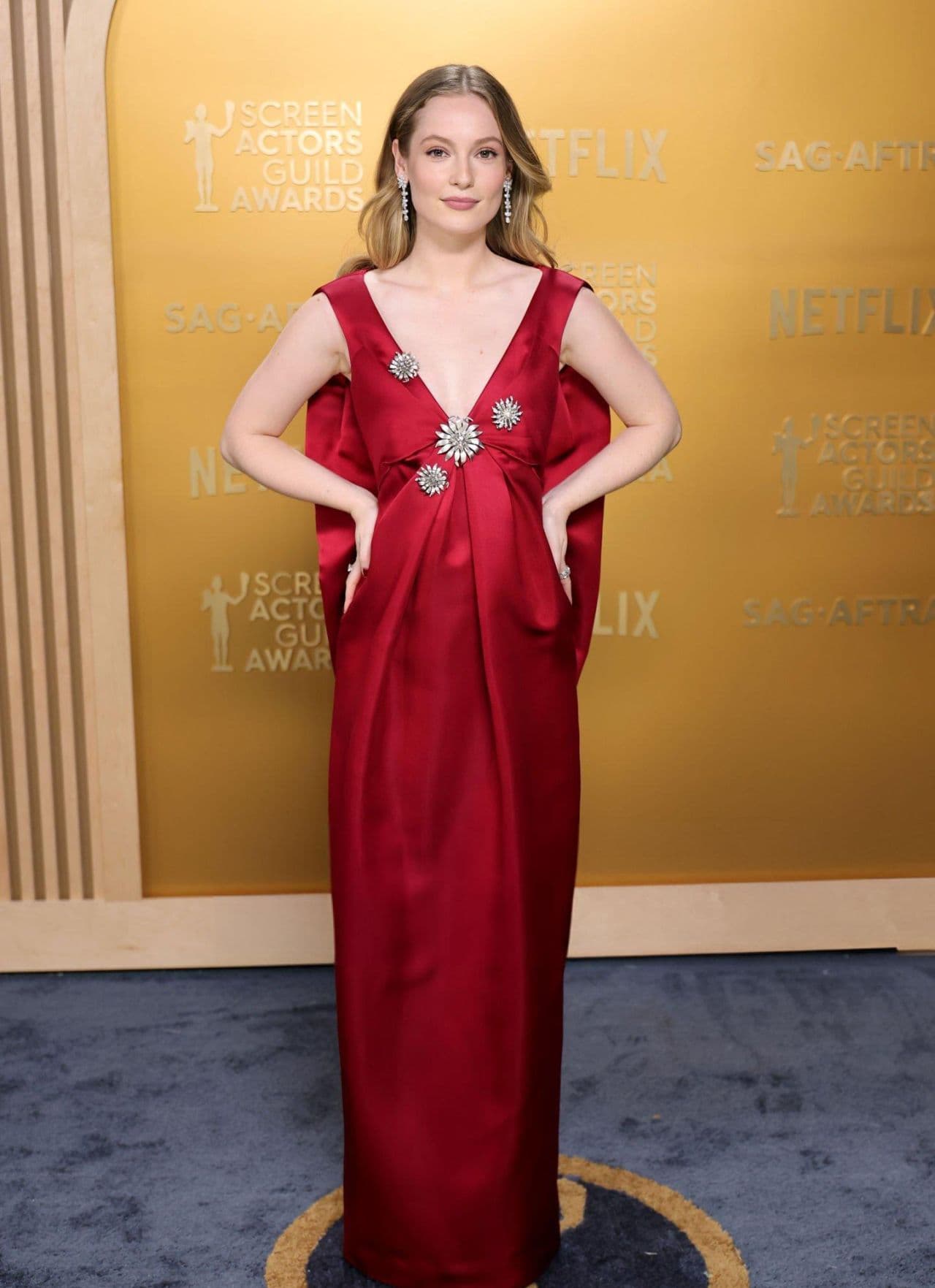
Vogue writer Hannah Jackson lays down a simple charge: strict dress codes at awards like the SAG enforce rote gowns and tuxedos and are choking off red-carpet creativity. Jackson, writing in 2026 under the Condé Nast umbrella, says plainly that "The dress code also puts a burden on the actors, stylists, and brands," and frames the policy as more hindrance than heritage.
Jackson presses the point with a rhetorical provocation about whether a dress code is necessary at all. "But really, is there any need for a dress code at all? It’s more or less assumed that awards shows in the film and television arena are black-tie." She punctuates the normalcy of black-tie expectations with a wry pop-culture aside: "Nobody—besides Adam Sandler—is showing up to an awards show in shorts."
The column refuses nostalgia for its own sake. Jackson admits that "the rote floor-length dresses and tuxedos can get old," but insists that policing those defaults will not yield new ideas: "Sure, the rote floor-length dresses and tuxedos can get old, but enforcing a fashion mandate isn’t the path to innovation." Where once actors could "play in the black-tie sandbox," Jackson warns, "a specific dress code is something of an albatross," closing off the improvisational looks that make a season’s red carpets memorable.

The economics behind the looks are as important to Jackson as aesthetics. She calls out the leverage of commercial partnerships: "An actor’s brand deal far outweighs their obligation to the dress code—and some brands won’t play ball with a ’20s and ’30s glamour brief." That calculus leaves smaller names at a disadvantage: "for those who don’t have brands banging down their doors to dress them, it’s just another hurdle to finding a suitable look for the night."
Jackson’s conclusion is both practical and blunt about outcomes on the carpet: "In the end, be it personal preference or external influences, plenty of people ignored the theme altogether." Her closing call — freedom to foster creativity on red carpets — lands as a challenge to awards organizers, stylists, and brands that now steer these nights. The piece, published under Vogue and bearing the 2026 Condé Nast copyright notice, reframes dress codes not as quaint rules but as policy choices with real consequences for what fashion gets to show up.
Know something we missed? Have a correction or additional information?
Submit a Tip