Volkswagen cuts Osnabrueck output, deepening factory's uncertain future
Volkswagen is trimming Osnabrueck shifts and extending a shutdown, leaving 2,300 workers in a de facto four-day week as the plant’s future fades.
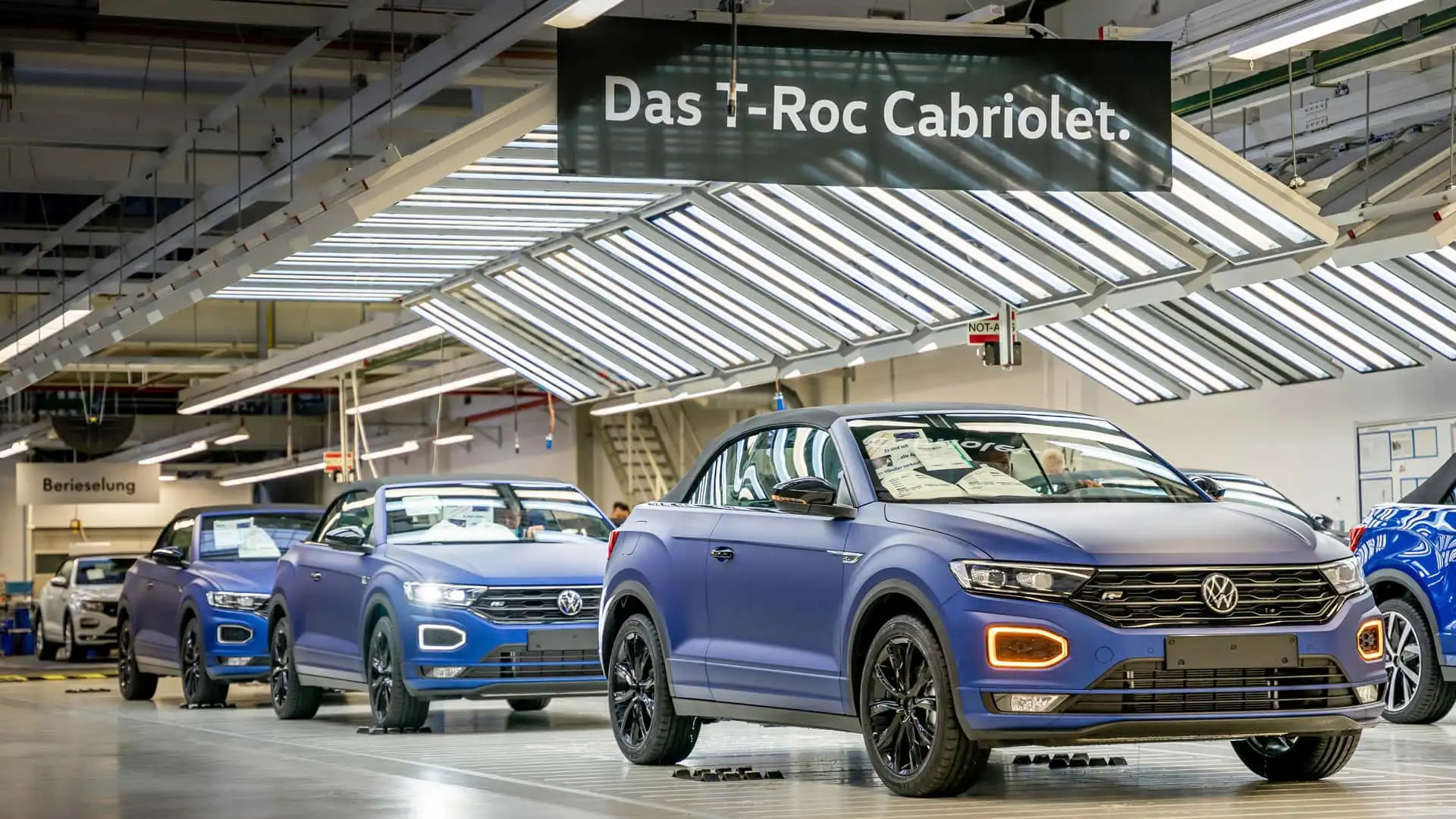
Volkswagen is cutting back production at its Osnabrueck plant, adding to the uncertainty surrounding one of Germany’s most exposed industrial sites. The company will extend the summer shutdown by one week and add more production-free days, while the factory’s current model line is already set to run only until mid-2027.
The move hits a plant that employs about 2,300 workers and has no announced successor model after the open-top T-Roc Cabrio SUV ends production. Volkswagen said the schedule change reflected seasonal demand patterns, with convertibles selling best in spring and early summer before weakening in the second half of the year. Workers and their representatives were not reassured. The works council said the reduced schedule effectively amounts to a de facto four-day week, a blunt signal of how precarious the site has become.
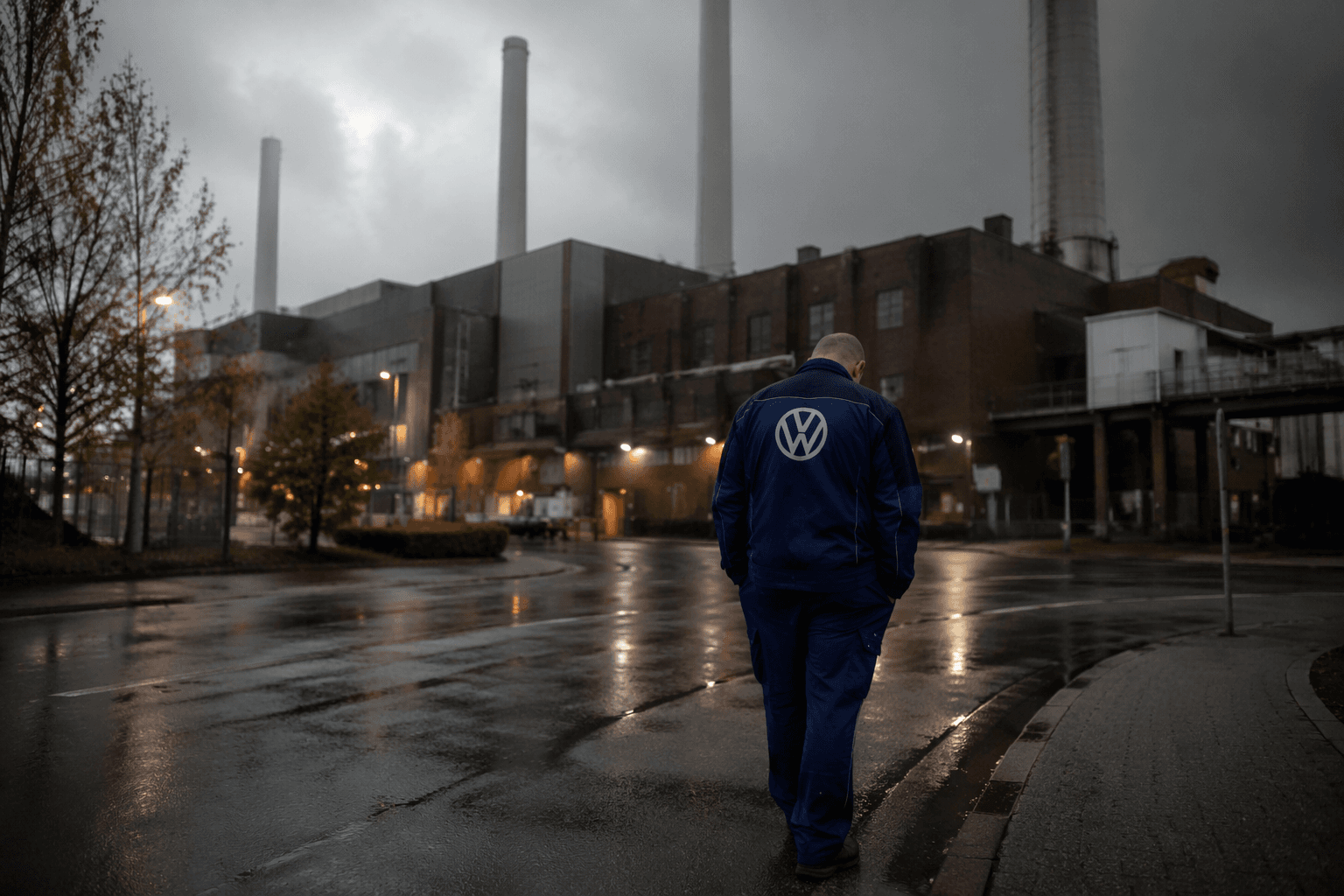
The tension at Osnabrueck reaches beyond one model cycle. Employees have pressed management for a concrete future plan, and recent labor protests outside the factory show how little confidence remains in a site that sits between today’s production needs and tomorrow’s industrial strategy. Volkswagen has also been in advanced talks with defense companies about possible alternative uses for the plant, including discussions with Israel’s Rafael Advanced Defence Systems about shifting part of the site toward missile-defense related production.
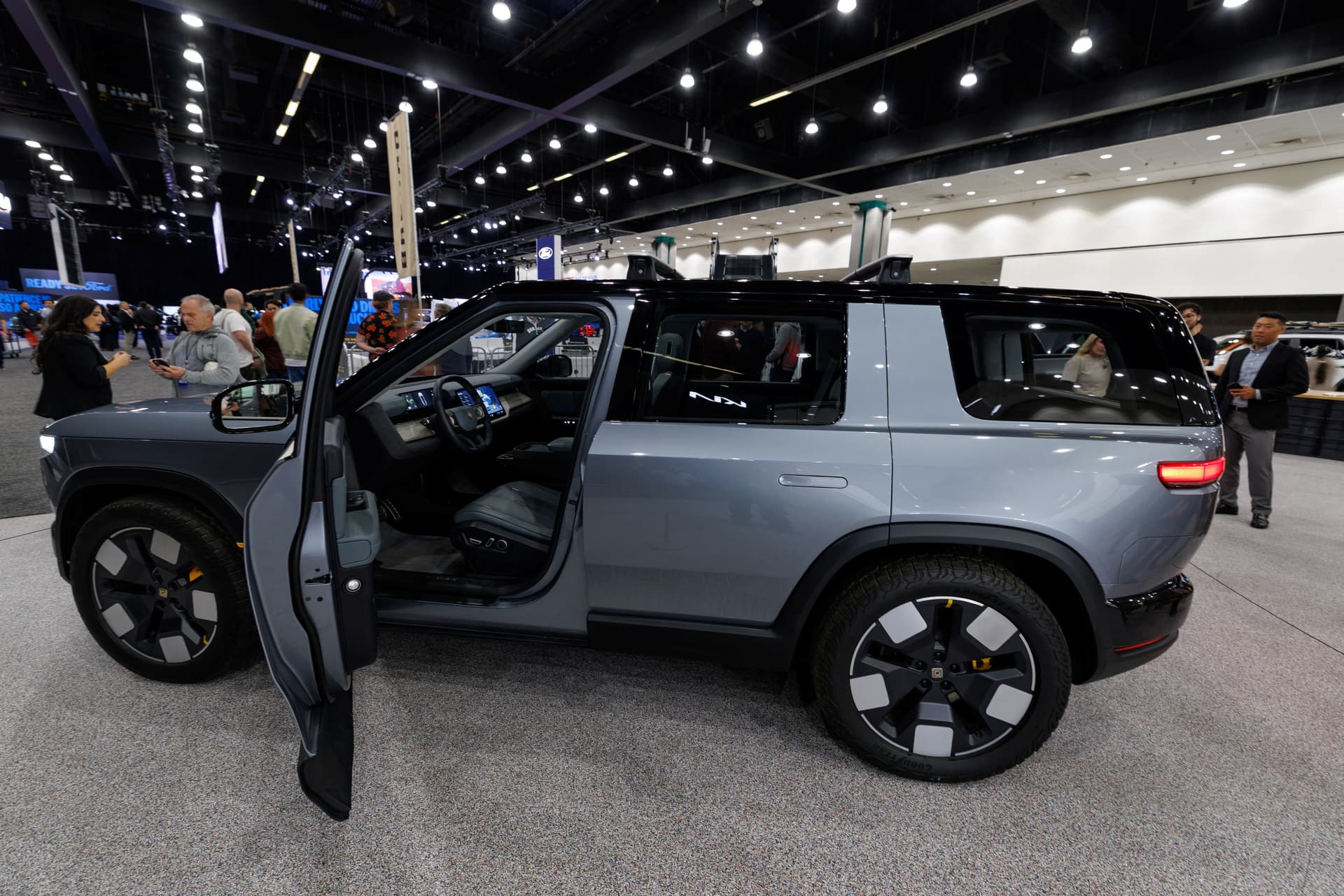
That search for a new purpose underscores a wider problem in German manufacturing: what happens when a large, historically important factory no longer has a clear fit in a changing product mix. Volkswagen says automotive production in Osnabrueck has a tradition spanning about 125 years. The site covers about 430,000 square meters and still houses vehicle manufacturing, technical development, and tool and plant construction, which makes its future especially consequential for Lower Saxony’s industrial landscape.
The plant’s history also explains why its uncertainty resonates so widely. Until 2009, the historic factory was run by Karmann, long known for cabriolets and special models for Volkswagen. Volkswagen created Volkswagen Osnabrück GmbH in February 2010 after Karmann’s bankruptcy, preserving the site’s legacy. Now, with the T-Roc Cabrio headed for an end in mid-2027 and no replacement in view, Osnabrueck has become a test case for whether Germany can keep older industrial sites alive without leaving workers stranded in the gap between one era of production and the next.
This article was produced by Prism’s automated news system from verified source data, official records, and press releases, then run through automated quality and moderation checks before publishing. The system is built and supervised by the people who set the standards it runs under. Read our full AI policy.
Did this article answer your question?