Volkswagen Reports Weak Start to 2026 as China, US Demand Slumps
Volkswagen’s deliveries fell 4% in the first quarter, with China down 15% and the U.S. down 20.5%, exposing pressure in its two most important markets.
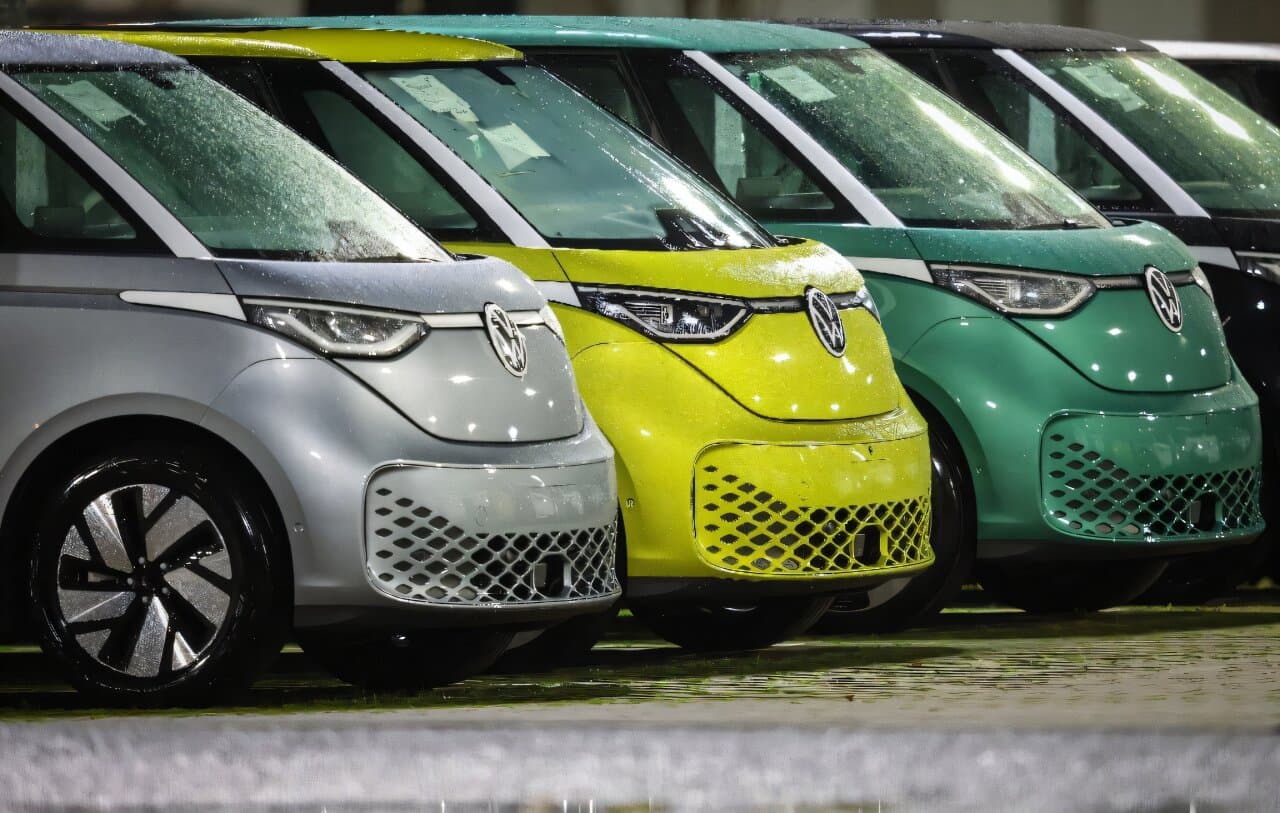
Volkswagen opened 2026 with a 4% drop in global deliveries, a sign that weakness in China and the United States was hitting the company at the same time. In China, deliveries fell 15% in the first quarter, while U.S. deliveries sank 20.5%, underscoring how heavily the German automaker remains exposed to two markets that are both large and increasingly unforgiving.
Sales chief Marco Schubert said the quarter unfolded under very challenging economic and geopolitical conditions, and Volkswagen’s own outlook points to why that matters. The company warned of fragmentation in the global economy, protectionist tendencies, geopolitical tensions and uncertainty around U.S. policy, while saying North America and the U.S. passenger-car market were likely to run slightly below last year’s level. That leaves Volkswagen fighting not just softer demand, but a market structure that is becoming harder to predict and more expensive to serve.
The strain has already shown up in the company’s financial guidance. Volkswagen said in March that 2025 operating profit fell 53% to 8.9 billion euros, and it projected 2026 revenue growth of just 0% to 3%, with an operating margin of 4% to 5.5%. Tariffs have been a major part of the pressure. Volkswagen said U.S. import tariffs had already cost it about 1.3 billion euros in the first half of 2026, a burden that can quickly filter into pricing, inventories and dealer incentives. The delivery decline therefore looks less like a one-quarter stumble than another sign that trade policy is now shaping the economics of auto sales.
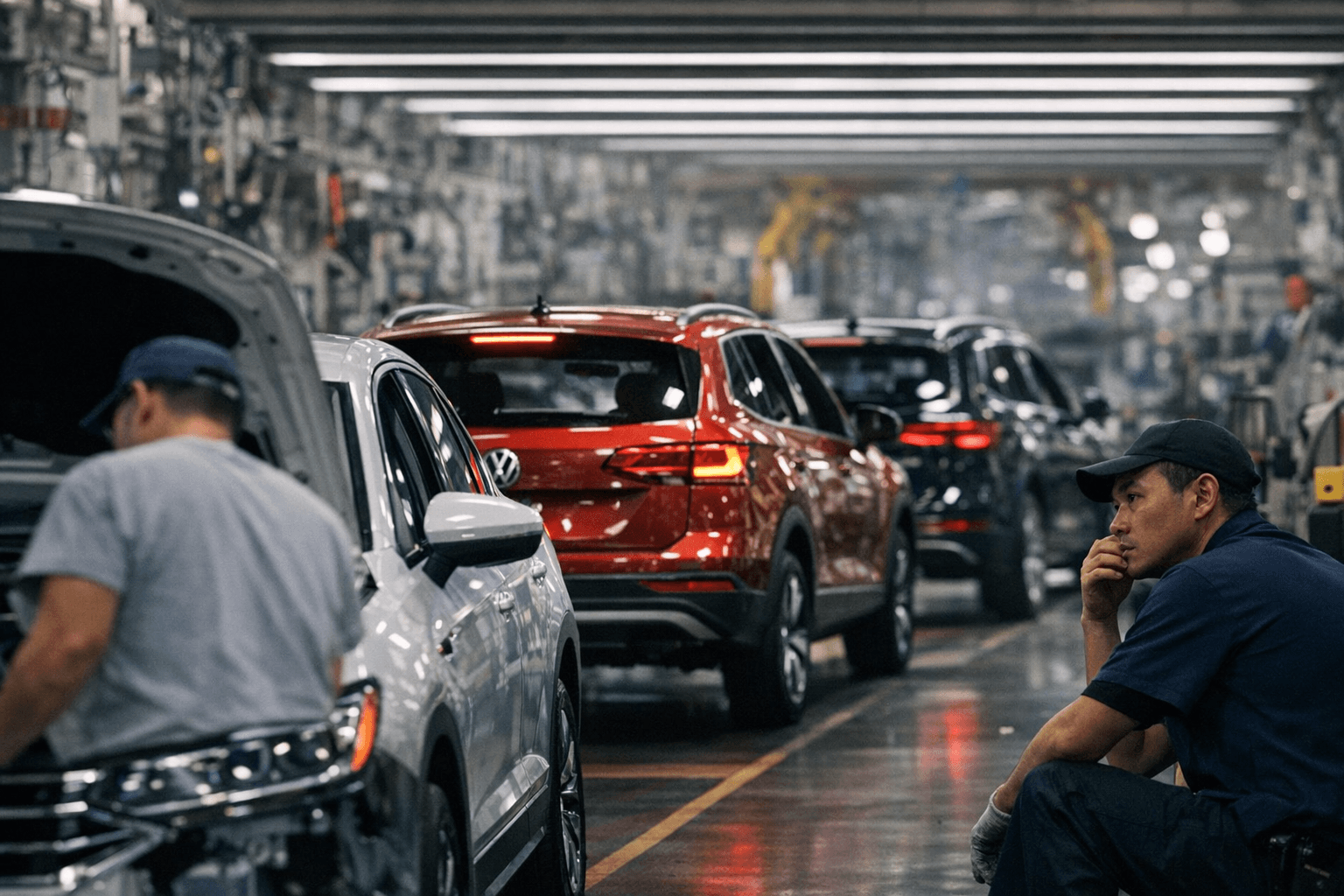
China remains the sharper strategic challenge. Volkswagen was overtaken by Geely Auto in China sales in 2025 after losing long-held dominance to BYD in 2024, and its two joint ventures with FAW Group and SAIC Motor held a combined 10.9% share of retail sales, down from 12.2% in 2024. Those losses point to more than a cyclical slowdown. They show how aggressively local brands have moved into the price and electric-vehicle wars, forcing legacy manufacturers to defend share in a market they once controlled.
Volkswagen’s first-quarter numbers also suggest the company is being squeezed from two directions at once. China is no longer providing the easy growth engine it once did, while the U.S. market has become more erratic because of tariffs and regulatory changes that have complicated EV demand. The result is a weaker start to the year for Volkswagen and a broader warning for global automakers: scale alone is no longer enough to offset regional shocks, policy risk and intensifying competition in electric vehicles.
This article was produced by Prism’s automated news system from verified source data, official records, and press releases, then run through automated quality and moderation checks before publishing. The system is built and supervised by the people who set the standards it runs under. Read our full AI policy.
Did this article answer your question?

