Volunteers' February Count of American Dippers Tracks Animas River Health
Volunteers walked stretches of the Animas River in February 2026 to count American dippers (Cinclus mexicanus) as a living gauge of river health after the Gold King Mine spill and the 416 Fire.
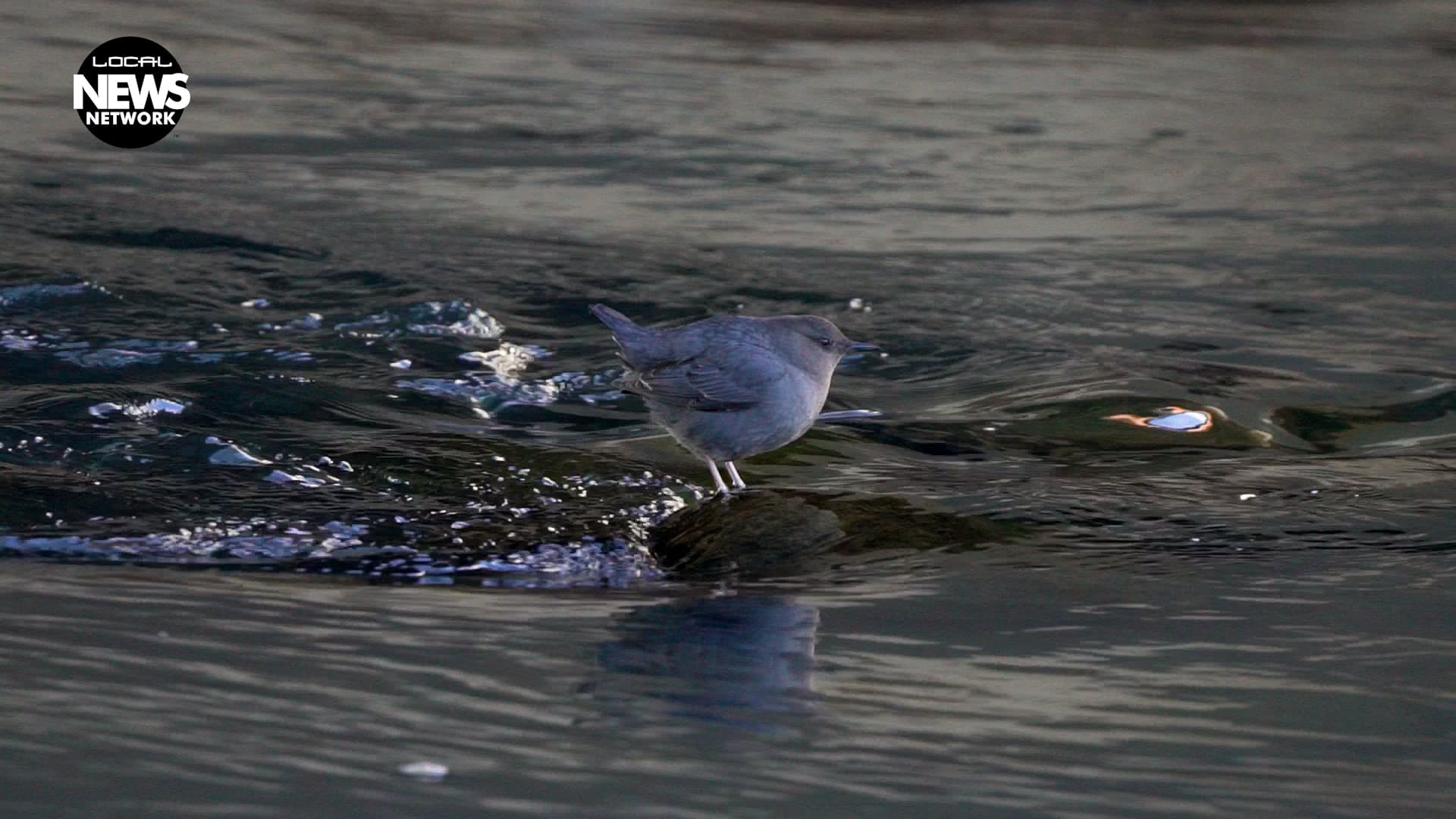
Volunteers walked stretches of the Animas River in the Durango area during February 2026 to count American dippers, continuing an annual citizen‑science practice that uses the species as a living indicator of river health. The American Dipper Project asks volunteers to scan river corridors for the small, bold Cinclus mexicanus that forage on aquatic insects tied to clean water, then report observations to a central database.
The American Dipper Project began in the spring of 2016 in the wake of the Gold King Mine spill in August 2015, when local birdwatchers and organizers raised concerns about heavy metals entering the Animas River. Weminuche Audubon Society coordinates the project and receives support from Audubon’s Western Water Network; volunteers contribute nesting and observation data to the Cornell Lab of Ornithology’s NestWatch database to build a regional and national record of dipper breeding and distribution.
Survey work on the Animas follows two complementary tracks. Each February, volunteer teams walk river banks and stretches of the mainstem to tally dippers and note presence or absence. Beginning in March and continuing into the nesting season through July or August, volunteers monitor breeding behaviors and nest outcomes on the Animas and on tributary streams; monitored behaviors include copulation, nest building, incubation, feeding of nestlings, and presence of fledglings. Nest site fidelity and nesting success are tracked, and where nests are difficult to access, more distant monitoring techniques are employed. Volunteers upload nesting data to NestWatch after each field season.
Field organizers and monitoring records identify multiple threats to dippers on the Animas. Historic mining has introduced and sustained heavy metal risks for more than a century, with lead, copper, zinc, selenium, and cadmium singled out as contaminants that can limit reproductive success or cause mortality. Fire and flood have compounded those impacts: the June 2018 416 Fire burned portions of the watershed and subsequent flooding carried large volumes of sediment into the river, and project observers report a decline in nesting success after the 416 Fire and fewer nesting attempts in recent years.
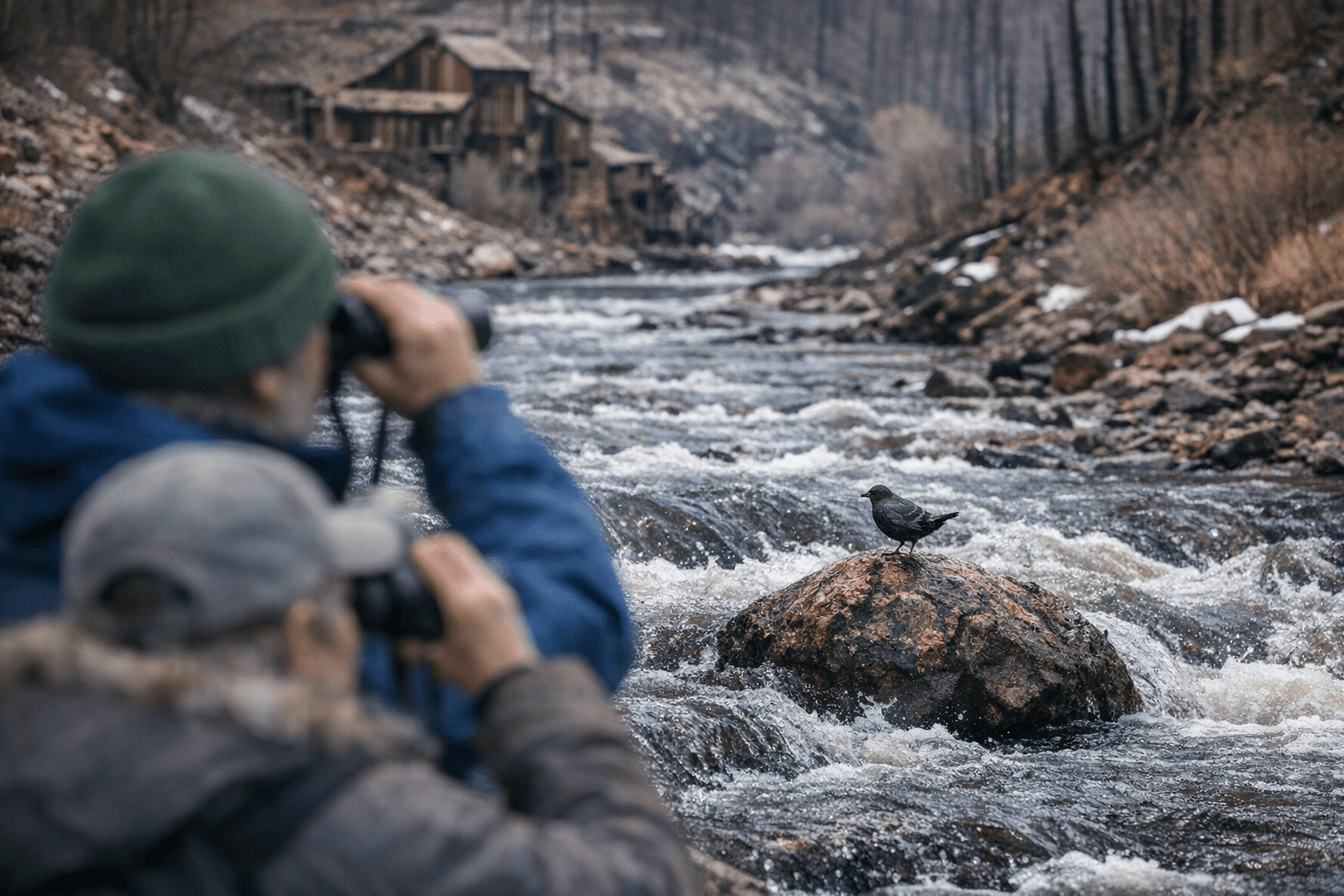
The project expanded its geographic scope in 2021 to include the upper San Juan River near Pagosa Springs, and volunteers continue to monitor both disturbed reaches of the Animas and tributary streams that have not been affected by mining or wildfire. NestWatch documentation shows volunteer surveys running from 2016 through 2021; organizers report continued activity into 2026, though explicit year‑by‑year counts for 2022–2025 are not available in the materials provided.
Volunteer recruitment remains central: Weminuche Audubon solicits surveyors to join monitoring efforts and to be included on the participant list, and project leaders emphasize that the work is citizen science rather than an academic study. Photographic documentation associated with the project includes images credited to Chris Roebuck and Stephen Monroe. Local sponsorship for recent outreach has included Durango Gelato, Coffee & Tea and The LOR Foundation. The ongoing February counts and nesting monitoring aim to clarify how river health and disturbances affect a river‑obligate species and to feed long‑term conservation data into national NestWatch records.
Know something we missed? Have a correction or additional information?
Submit a Tip