Volvo Cars open to U.S. partnerships to boost South Carolina plant use
Volvo says it could team up with other U.S. firms at its 150,000-car South Carolina plant, a sign it wants to fill factory space as tariffs and EV demand shift.
Volvo Cars is open to working with other companies in the United States to make fuller use of its South Carolina plant, a move that would test whether automakers can wring more value from existing factories instead of building new ones.
Hakan Samuelsson said the company is willing to cooperate in assembly, construction, sourcing and supply-chain work as Volvo expands its U.S. presence. The strategy points directly to Ridgeville, outside Charleston, where Volvo has an installed annual capacity of 150,000 cars and has invested about $1.3 billion over the past decade. The plant currently builds the fully electric EX90 and the Polestar 3, and Volvo plans to start making the XC60 midsize SUV there in late 2026.
That extra production matters because the site still has room to fill. A partnership with another automaker or supplier could help reduce the risk that the factory sits below capacity while the company navigates uneven EV demand and tariff pressure on imported vehicles. For Volvo, the South Carolina plant is more than a factory. It is a test case for how a foreign automaker can localize production in the United States without giving up scale or flexibility.
Samuelsson has argued that the industry is moving toward a more regional model, with companies needing to be more industrially present inside the markets where they sell. Volvo has framed its manufacturing plan around regional tailoring across the United States, Europe and China, a structure that becomes more important as trade rules shift and the cost of shipping vehicles rises. The company is majority-owned by China’s Geely Holding, which makes its U.S. sourcing and partnership choices part of a broader global balancing act.
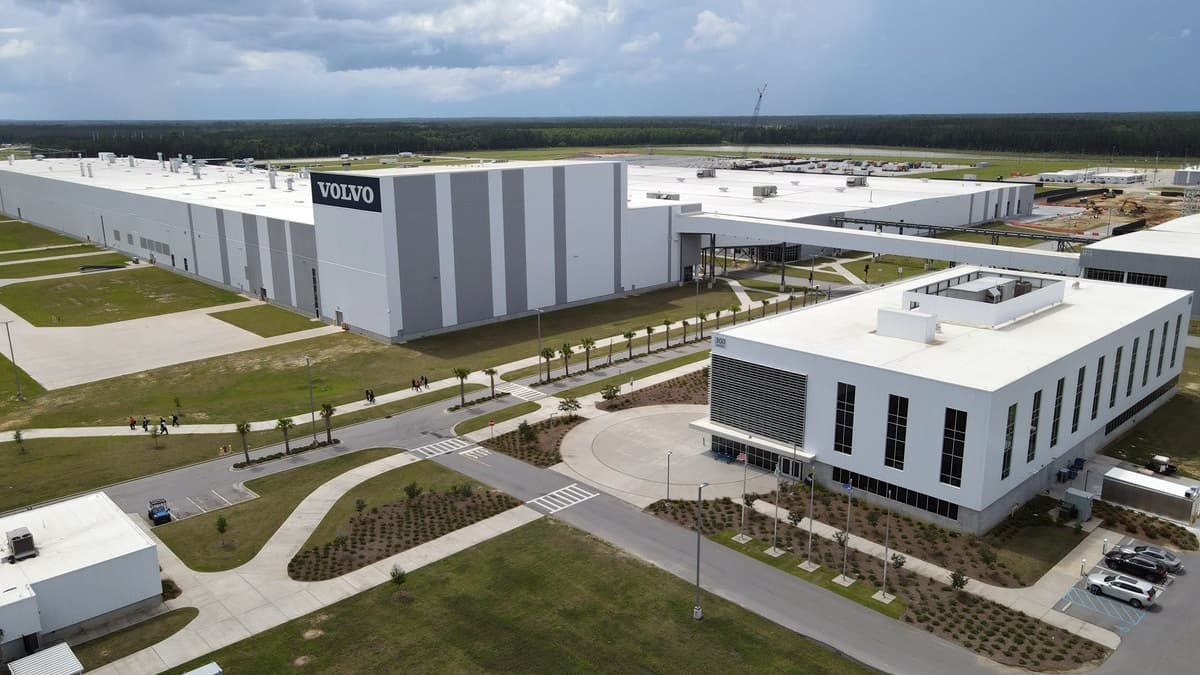
The stakes are not only corporate. Volvo reached 5 million cumulative U.S. sales on March 29, 2025, and marked 70 years in the U.S. market in 2025, giving it a deep commercial base in a country now central to its growth plans. South Carolina political leaders have also treated the plant as a jobs engine. Rep. Nancy Mace said Volvo had already created about 2,000 jobs in Berkeley County, with a goal of reaching 4,000.
As Donald Trump’s tariffs on foreign cars push automakers to localize more production, Volvo’s willingness to share or expand its U.S. footprint suggests a practical response to excess capacity and policy uncertainty. The bigger question is whether partnerships can turn a large Southern factory into a durable domestic manufacturing hub, or whether the pressure of the EV transition will leave even well-funded plants searching for work.
This article was produced by Prism’s automated news system from verified source data, official records, and press releases, then run through automated quality and moderation checks before publishing. The system is built and supervised by the people who set the standards it runs under. Read our full AI policy.
Did this article answer your question?

%3Amax_bytes(150000)%3Astrip_icc()%2FCertificate-of-deposit-2301f2164ceb4e91b100cb92aa6f868a.jpg&w=1920&q=75)
