Volvo recalls more than 40,000 EX30 EVs worldwide over battery overheating
Volvo Cars recalled 40,000+ EX30 compact SUVs after a battery manufacturing defect; owners are advised to limit charging while dealers inspect and repair vehicles.
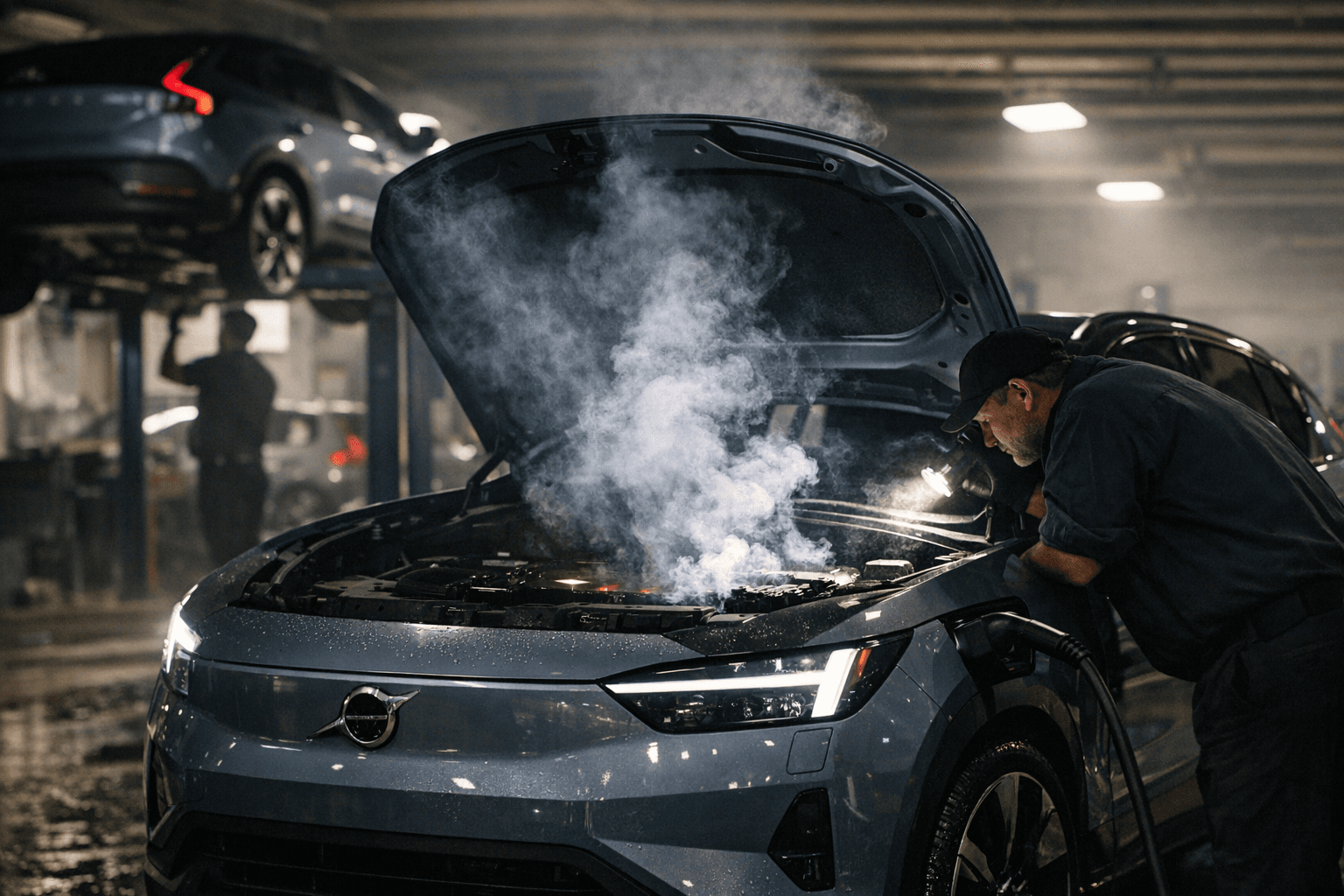
Volvo Cars recalled more than 40,000 EX30 electric SUVs worldwide after identifying a manufacturing defect in certain high-voltage battery modules that can overheat and increase the risk of fire, the company said on Feb. 24. The automaker warned owners to limit charging until dealerships can inspect and, where necessary, repair or replace affected modules.
The recall covers a substantial portion of EX30 production since the model's debut and applies across multiple markets. Volvo did not disclose a precise VIN range or the supplier implicated, but said the problem stems from a battery module manufacturing fault rather than a software issue. Owners received safety notices instructing them to reduce charging levels and avoid extended high-power charging sessions until dealers complete checks.
Operational consequences for owners and dealers are immediate. Service centers will need to handle tens of thousands of inspections and hardware interventions, creating a logistical bottleneck for a vehicle that Volvo pitched as an affordable, urban-focused EV. Leasing companies and fleet operators that used the EX30 for rentals or short-term leases face near-term downtime and potential replacement costs. Consumers relying on the EX30 for daily commuting could see reduced availability of loaner vehicles and longer service waits.
The recall has clear financial implications for Volvo Cars and the broader EV supply chain. Large-scale battery module replacements typically require significant parts and labor outlays, and industry experience suggests warranty and recall bills can run to hundreds of millions of dollars for comparably sized actions. The expense will weigh on Volvo's margins for the quarter in which repairs are logged, and could temper profitability forecasts and investor sentiment until the cost is quantified. Suppliers of battery cells and modules will come under scrutiny as automakers seek to limit repeat incidents.
Regulatory scrutiny is likely to follow. Safety agencies in key markets generally monitor automaker recalls involving fire risk, and regulators could demand additional reporting or remediation steps. For policymakers and standards bodies, the incident underscores persistent challenges in scaling EV production: quality control at battery-module assembly remains a critical choke point as OEMs push to ramp volumes and reduce costs.
This recall also feeds into longer-term trends shaping the EV market. As electric vehicle adoption rises, automakers face rising exposure to battery-related recalls that can affect consumer confidence. Manufacturers will likely accelerate investments in factory-level testing, improved supplier oversight, and design redundancies to limit thermal events. The economics of EV production, where battery systems represent a large share of vehicle cost, mean that even compact-model recalls can produce outsized financial and reputational effects.
For owners, the immediate action is clear: follow Volvo's instructions to limit charging and contact dealers to schedule inspections. For investors and industry participants, the recall is a reminder that the transition to electrification brings new operational and policy risks. How Volvo manages repairs, parts logistics, and regulatory engagement over the coming weeks will determine the recall's ultimate cost and its impact on the brand's push into mass-market electric models.
This article was produced by Prism’s automated news system from verified source data, official records, and press releases, then run through automated quality and moderation checks before publishing. The system is built and supervised by the people who set the standards it runs under. Read our full AI policy.
Did this article answer your question?

