Vondrousova banned four years after refusing anti-doping test
Vondrousova received a four-year ban after refusing a test at home, a case that turns on anti-doping rules treating refusal like a positive result.

Marketa Vondrousova has been suspended for four years after refusing an anti-doping test, a penalty that puts the focus squarely on the sport’s testing rules rather than on one player’s fall from grace. The International Tennis Integrity Agency said an independent tribunal imposed the ban after the Czech former Wimbledon champion did not provide a sample when notified by a Doping Control Officer.
The case turns on a central principle in anti-doping enforcement: refusing a test starts from the same sanction level as testing positive. The ITIA said that rule exists so athletes cannot avoid a longer punishment by declining to submit a sample, leaving the tribunal to decide whether any facts in the case justify reducing the penalty.
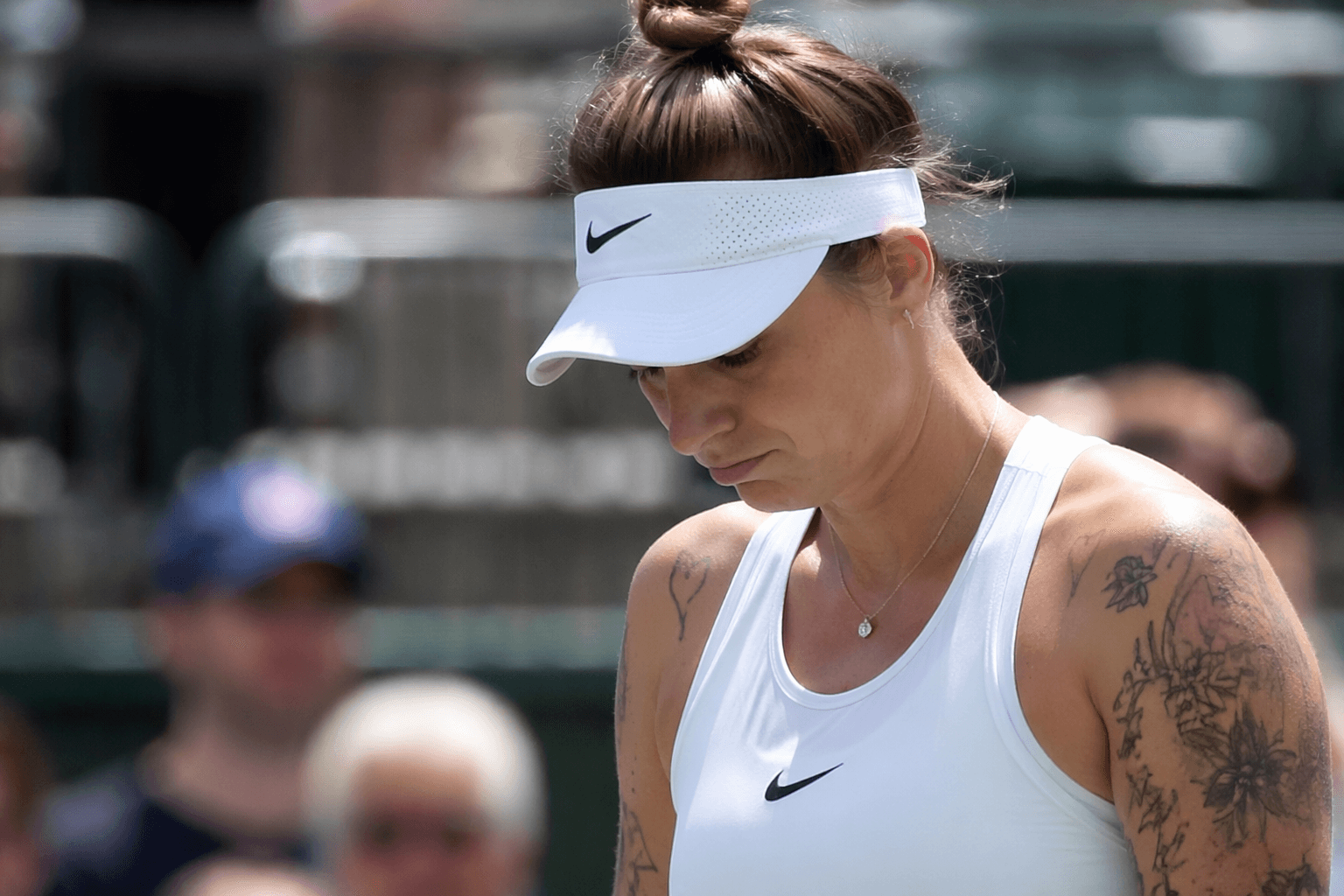
The incident happened at Vondrousova’s home at about 8pm on 3 December 2025 during an out-of-competition test attempt. The ITIA said it weighed Vondrousova’s account alongside evidence from the Doping Control Officer before reaching its decision. Her suspension runs until June 21, 2030.
Vondrousova said in April 2026 that she suffered an acute stress reaction during the incident. She said fear, stress and safety concerns affected her judgment and described reaching a breaking point after months of physical and mental stress. The tribunal considered those claims, but still upheld the four-year ban.
The ruling lands with added force because Vondrousova is not a fringe name. She won Wimbledon in 2023, beating Ons Jabeur 6-4, 6-4 to become the first unseeded woman to claim the Wimbledon singles title in the professional era. She reached a career-high world No. 6 in September 2023 and is currently ranked 122 by the Women’s Tennis Association.
By the time the suspension ends, Vondrousova will be 30. More broadly, the case is a test of how strictly tennis polices anti-doping compliance when a player does not fail a drug test but refuses to take one. For elite tennis to keep trust with fans and competitors, the standard has to be enforced consistently, and this ruling shows the system is willing to treat a refusal as seriously as a positive result.
This article was produced by Prism’s automated news system from verified source data, official records, and press releases, then run through automated quality and moderation checks before publishing. The system is built and supervised by the people who set the standards it runs under. Read our full AI policy.
Know something we missed? Have a correction or additional information?
Submit a Tip