Voting Rights Act weakened, Black representation faces new setback in Louisiana
A 6-3 Supreme Court ruling in Louisiana cut back Section 2, raising new fears that Black-majority districts across the South could be pared away.
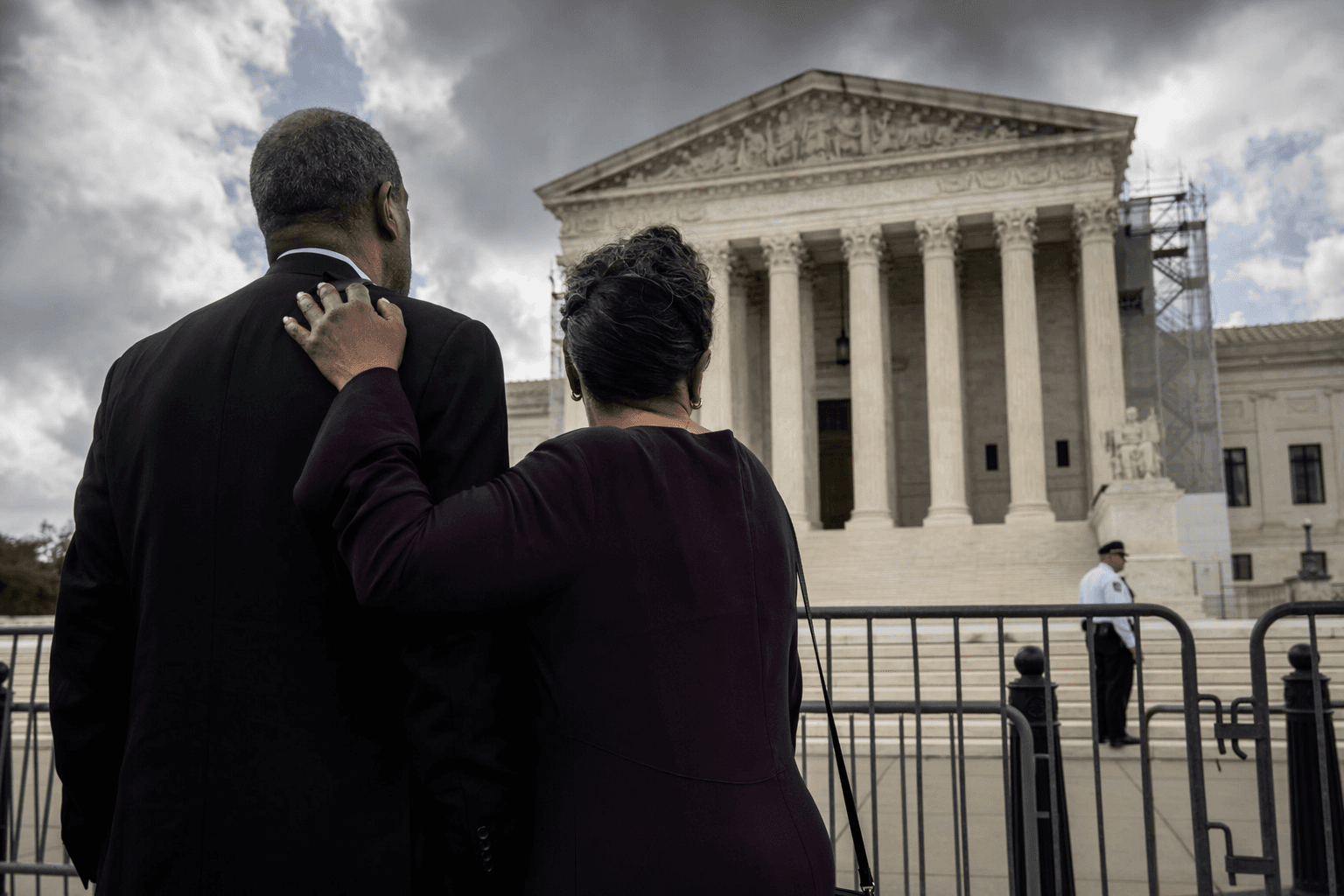
Press Robinson spent decades pushing Black political power forward in Louisiana. On April 29, the Supreme Court dealt that project another blow, ruling 6-3 in Louisiana v. Callais and striking down the state’s congressional map after finding that adding a second Black-majority district amounted to an unconstitutional racial gerrymander.
The ruling was more than a fight over one map. It weakened Section 2 of the Voting Rights Act, the permanent nationwide ban on voting discrimination that is enforced through lawsuits after the fact. Robinson had already seen the same map battle from the other side in 2022, when a federal judge in Robinson v. Ardoin said Louisiana’s plan likely violated Section 2 because it did not include an additional majority-Black district.
That legal shift lands in a long erosion of federal voting protections. The Voting Rights Act of 1965, and later revisions, helped restore Black congressional representation in the South after Reconstruction. But the Supreme Court’s 2013 Shelby County v. Holder decision suspended the VRA’s preclearance coverage formula, removing a core safeguard that once forced jurisdictions with a history of discrimination to clear election changes before implementing them.
The latest ruling pushed the balance further toward state power. The court’s conservative majority said proof must show that a racial group was intentionally disadvantaged, while the dissent warned that standard made enforcement well-nigh impossible. The New York Times framed the case as a clash over the reality of racism; the practical effect, voting-rights lawyers say, is to make it harder to preserve majority-minority districts that had expanded Black representation in Congress and state legislatures.
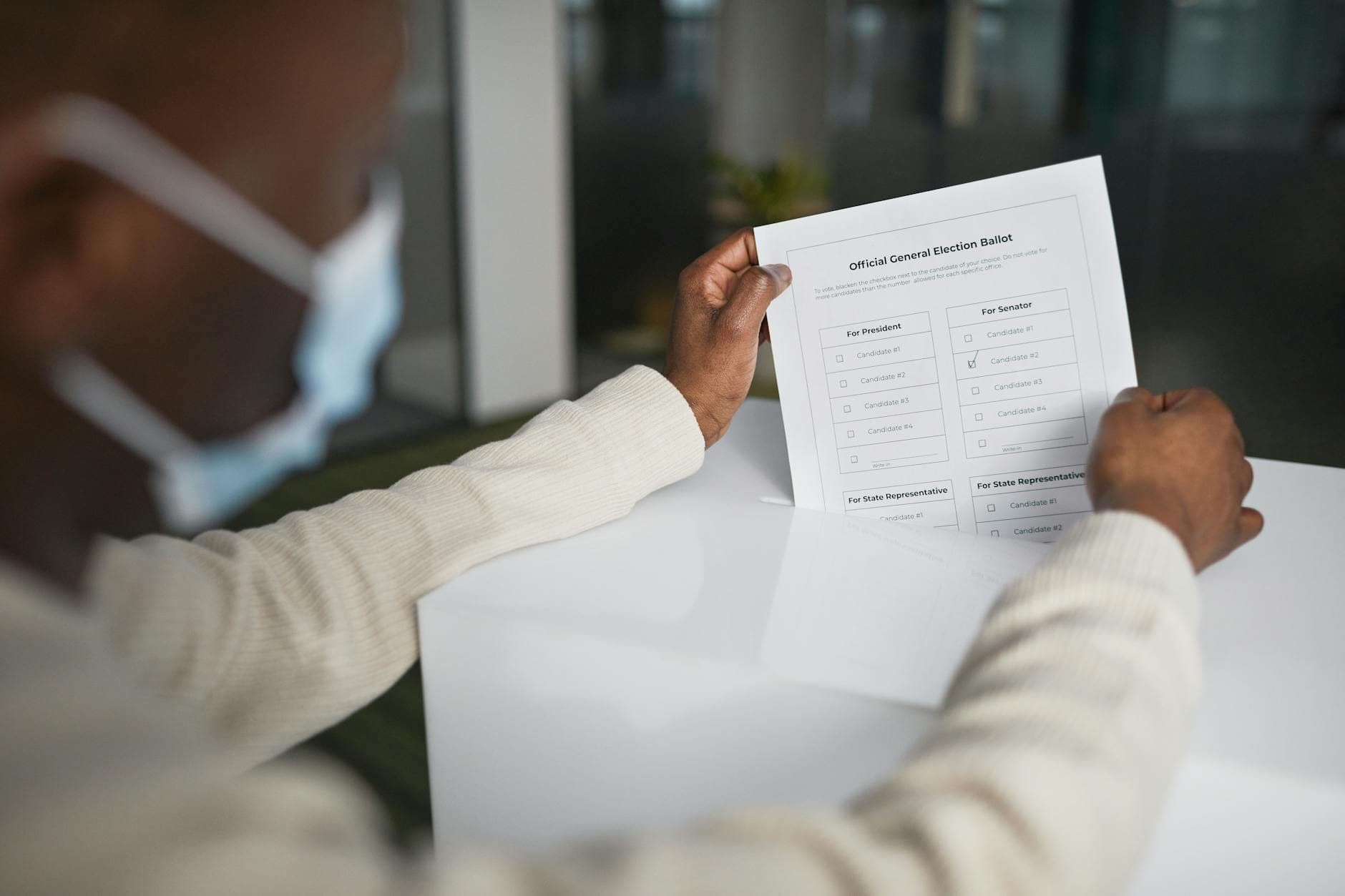
Civil rights groups said the decision could give Republican-led states, especially in the South, new room to redraw maps and trim majority-minority districts. That would reach beyond Louisiana. It could shape congressional control, dilute Black voting strength, and alter the lines that have underpinned representation for decades in places where Black voters helped build governing coalitions.
The backlash was immediate. The NAACP and Black Voters Matter condemned the ruling, and organizers in Louisiana and across the South warned that a wider rollback was underway. President Donald Trump praised the decision on Truth Social as a win for equal protection. For Robinson and other veterans of the voting-rights fight, the message was stark: the institutions that once opened the door to Black political gains are being narrowed again, one court decision and one map at a time.
This article was produced by Prism’s automated news system from verified source data, official records, and press releases, then run through automated quality and moderation checks before publishing. The system is built and supervised by the people who set the standards it runs under. Read our full AI policy.
Did this article answer your question?

