Wake County Braces for Cautious 2026 Session Amid Budget, Autonomy Concerns
Wake County officials warned the 2026 short session could squeeze budgets and local authority, threatening services residents rely on.

Wake County moved into the 2026 legislative season preparing to defend basic services rather than advance big new projects, after county staff and the county’s lobbyist described an unusually uncertain state environment at a Jan. 12 work session. County leaders said the short session lacks a prior biennium budget to amend, leaving human services, public safety and education funding exposed to shifting committee priorities and unexpected costs.
Officials outlined a three-pronged advocacy approach to navigate the unpredictable landscape: general guidance to legislators, a short list of top county priorities, and an opportunity list so staff can respond quickly to new bills. That restrained posture reflects concern that routine committee processes and stable funding streams are no longer guaranteed, and that rising scrutiny from the General Assembly could produce state limits on property-tax practices or unfunded mandates that would force painful tradeoffs for local programs.
For Wake County residents the implications are concrete. Programs that depend on state reimbursement or partial state funding may face delays or cuts if the legislature imposes new constraints or reduces matching funds. Local officials specifically flagged risks to health services and human services programs that typically absorb new costs during economic stress. Schools and public safety budgets could also be squeezed if the county must reallocate limited dollars to meet unfunded state requirements.
County leadership is aiming to protect core services by prioritizing continuity over new initiatives. Lobbying strategy will focus on preserving existing funding mechanisms and resisting broad policy changes that could limit county discretion over property-tax administration. Staff emphasized readiness to pivot as bills emerge, using the opportunity list to weigh whether items merit active advocacy or a defensive posture.
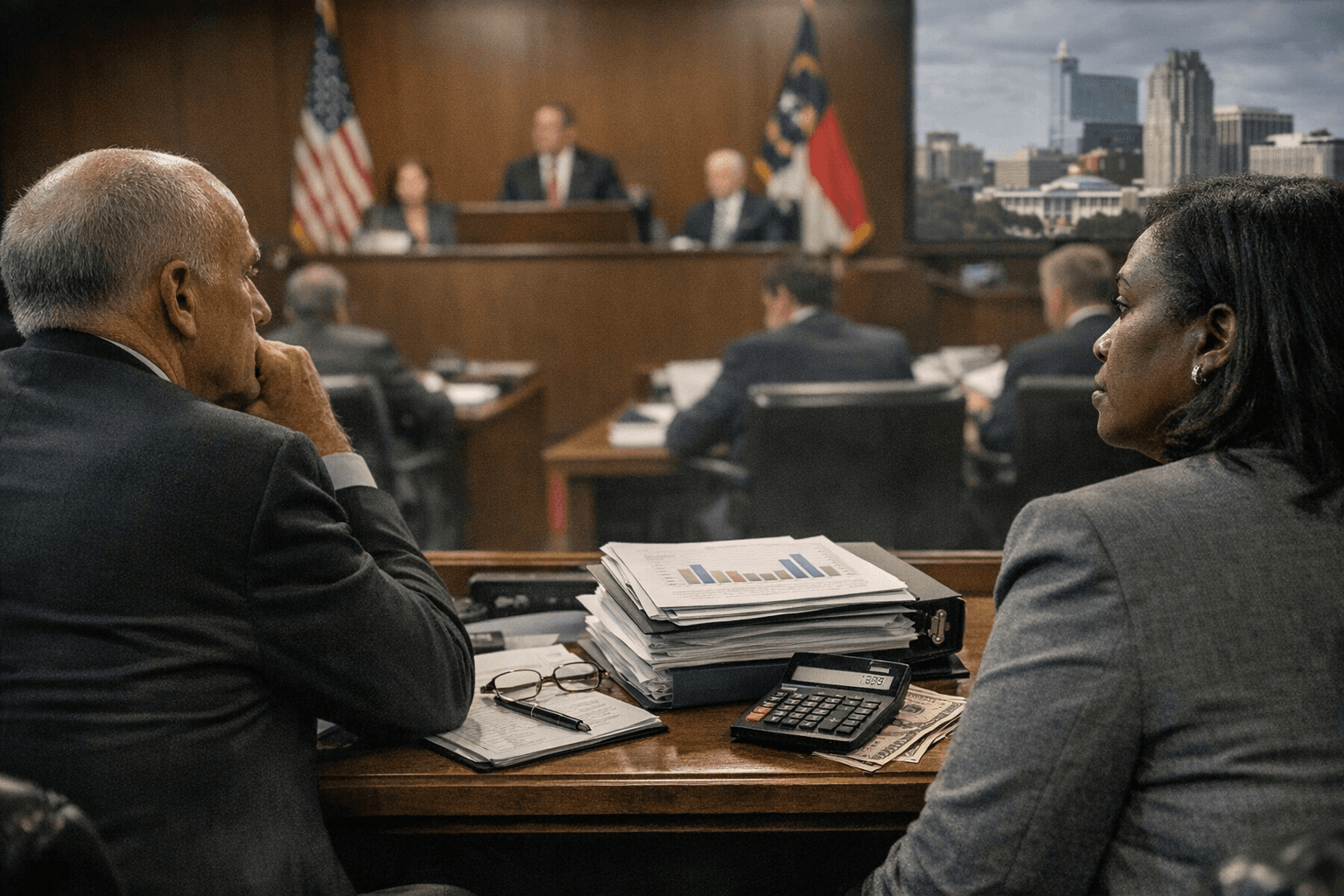
The county’s approach mirrors a broader trend of state-level scrutiny of local authority, where short legislative sessions and changing budget procedures place more pressure on county budgets and local decision-making. For Wake County that means more time spent in Raleigh tracking committee calendars, consulting with municipal partners across the Triangle, and preparing rapid analyses of fiscal impacts.
What comes next is a period of close watching. County officials will continue coordinating with the lobbyist and with municipal leaders to refine the priority list and to alert residents if proposed state actions could affect taxes, school funding, or human services access. Residents should expect a quieter agenda from county leadership this session as officials focus on defending services rather than expanding programs, and the county will report back if specific legislative proposals require local action or public input.
Sources:
Know something we missed? Have a correction or additional information?
Submit a Tip